



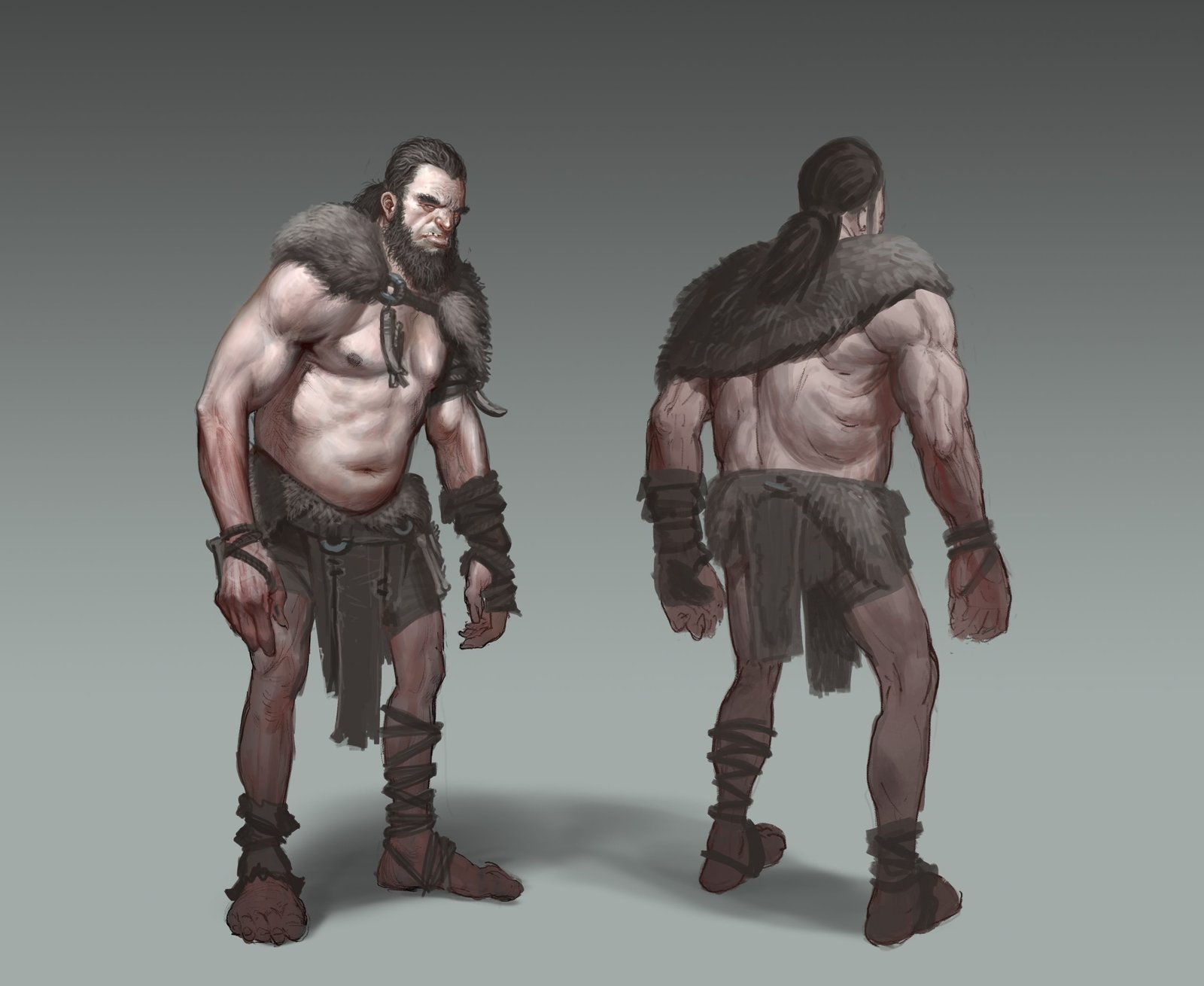
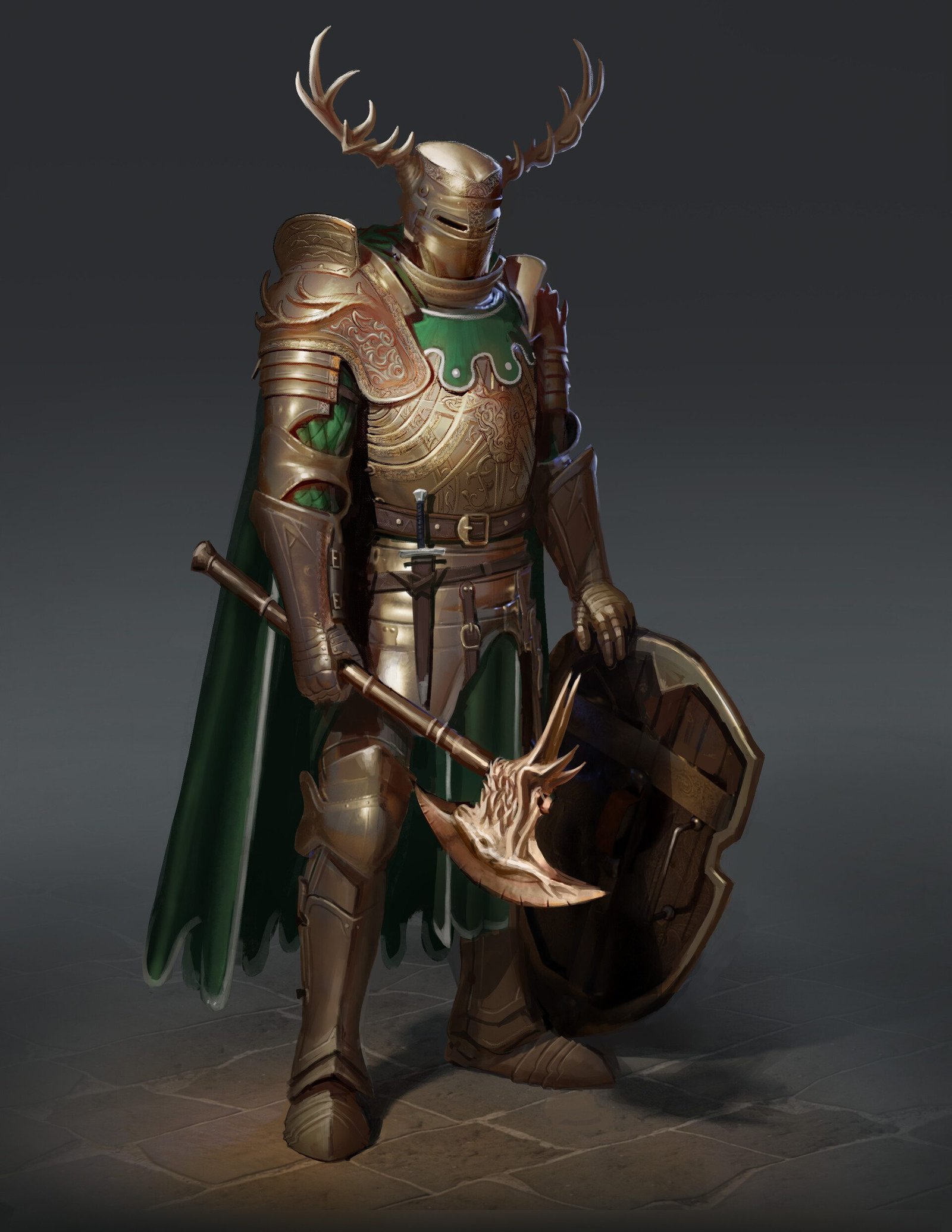
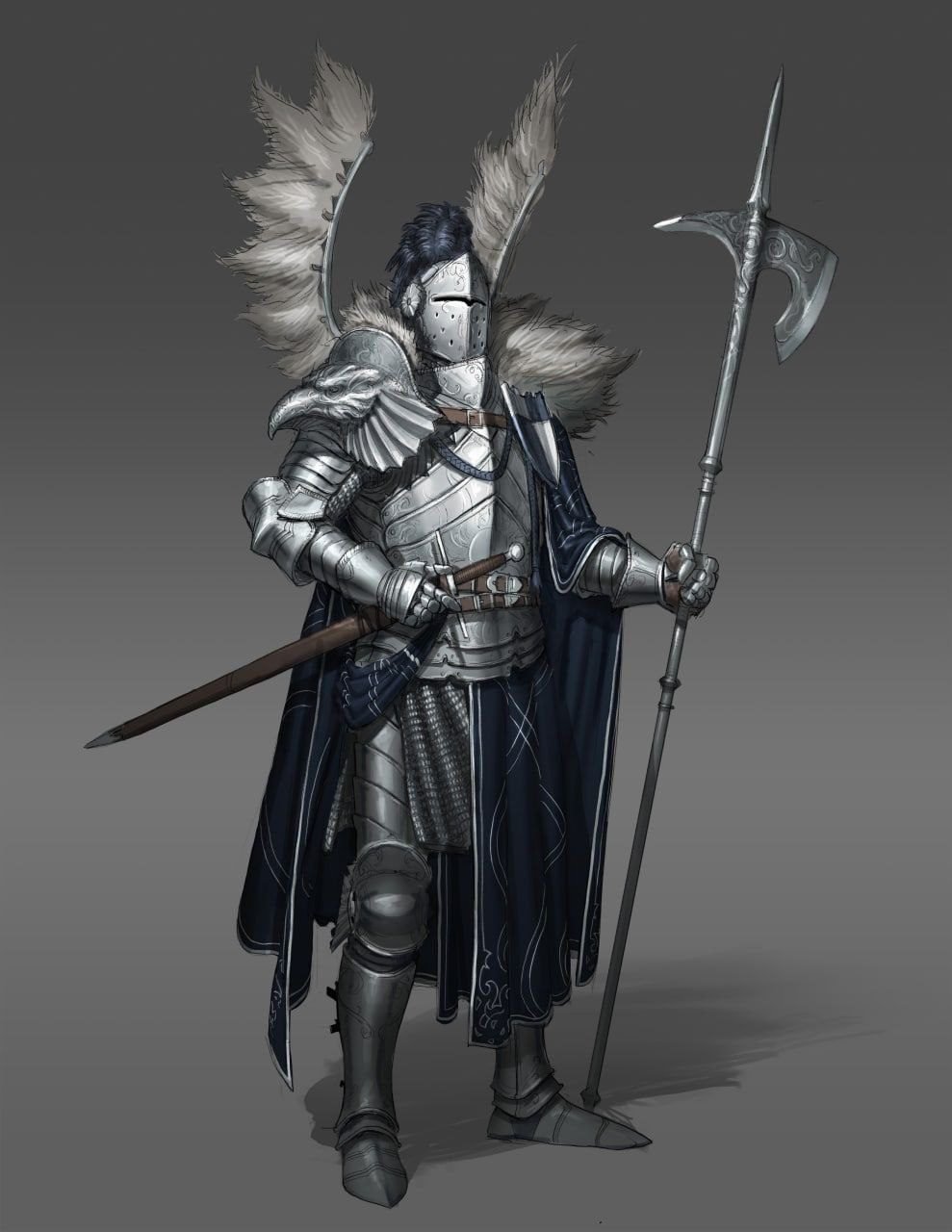
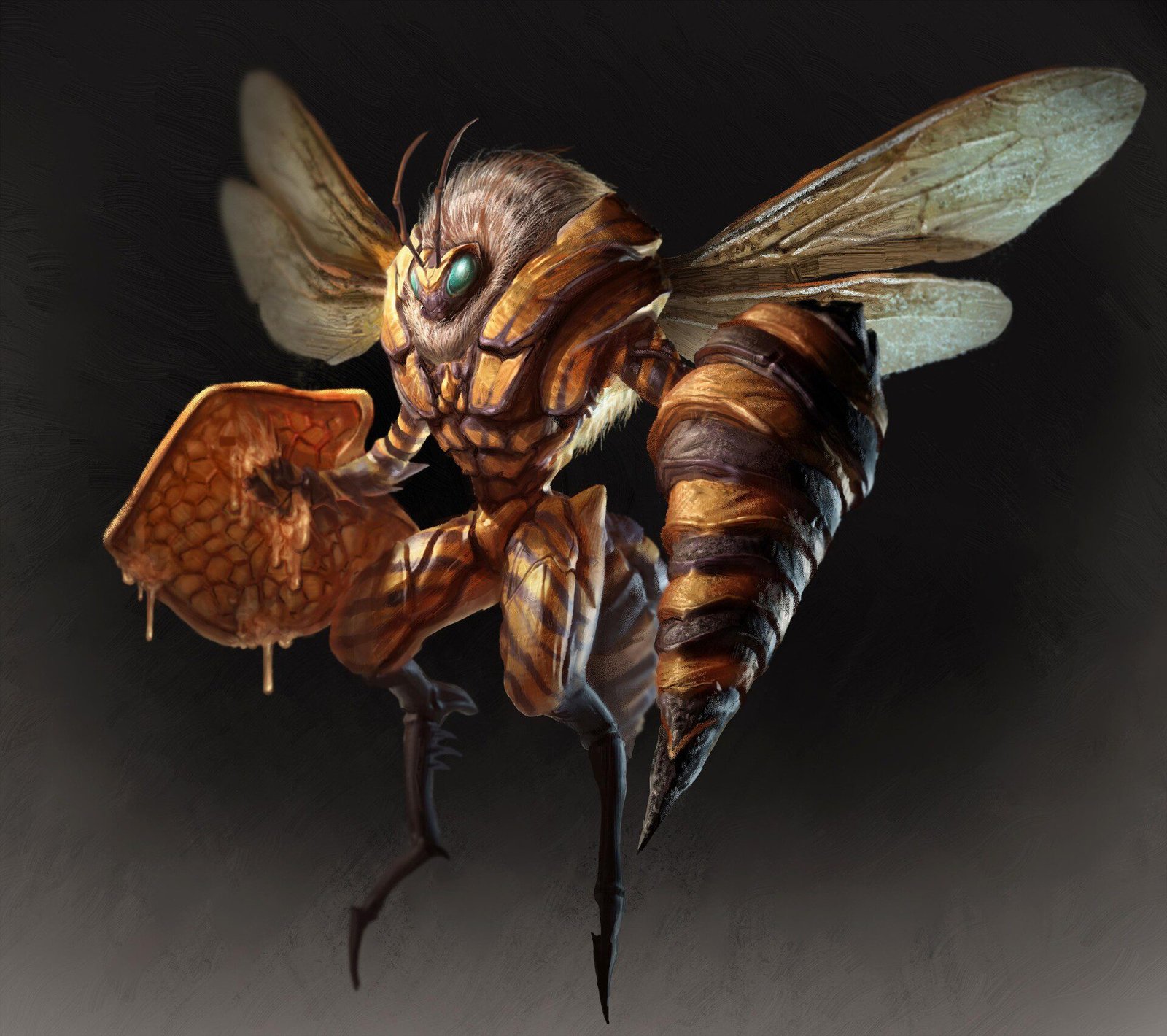
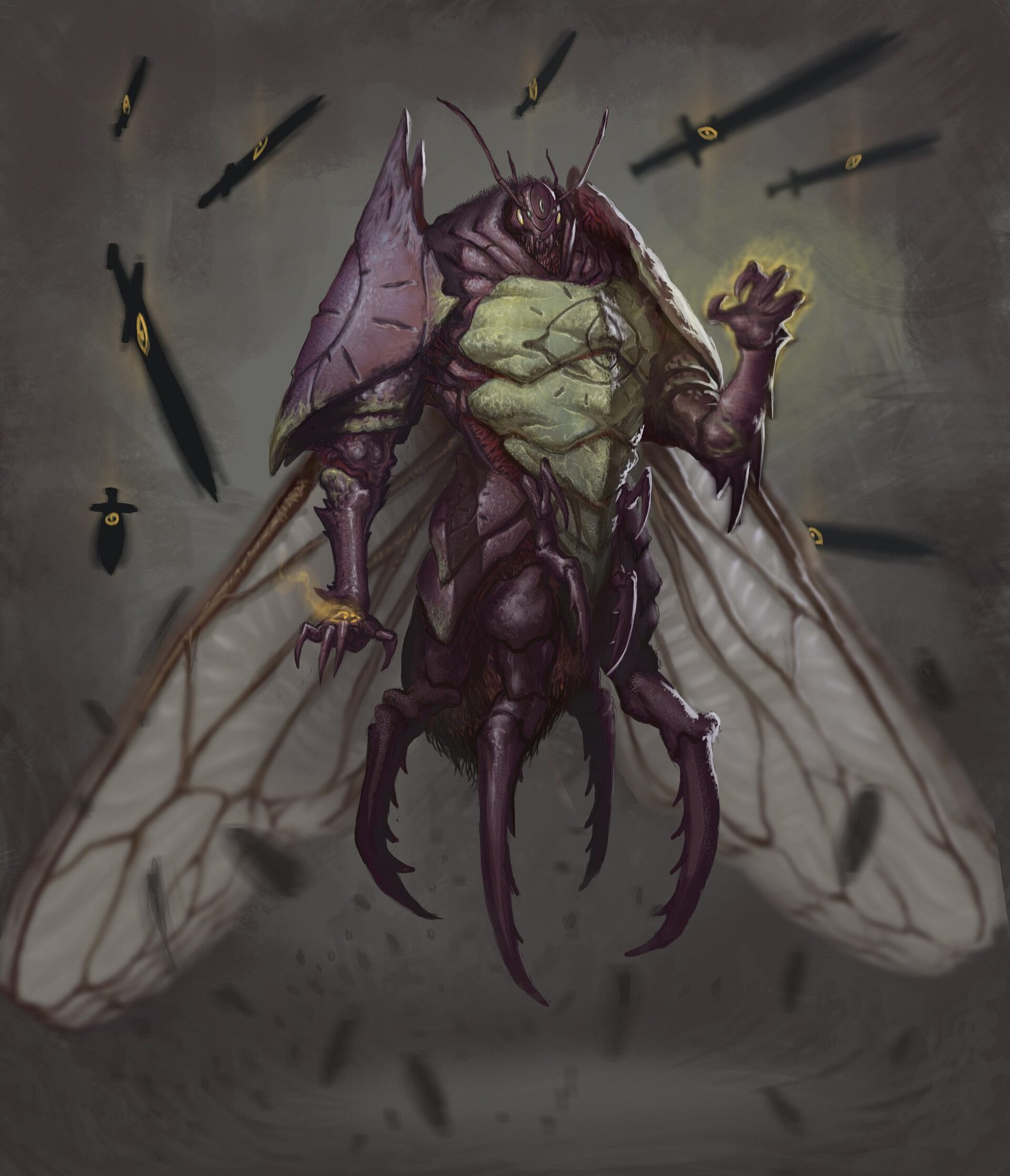
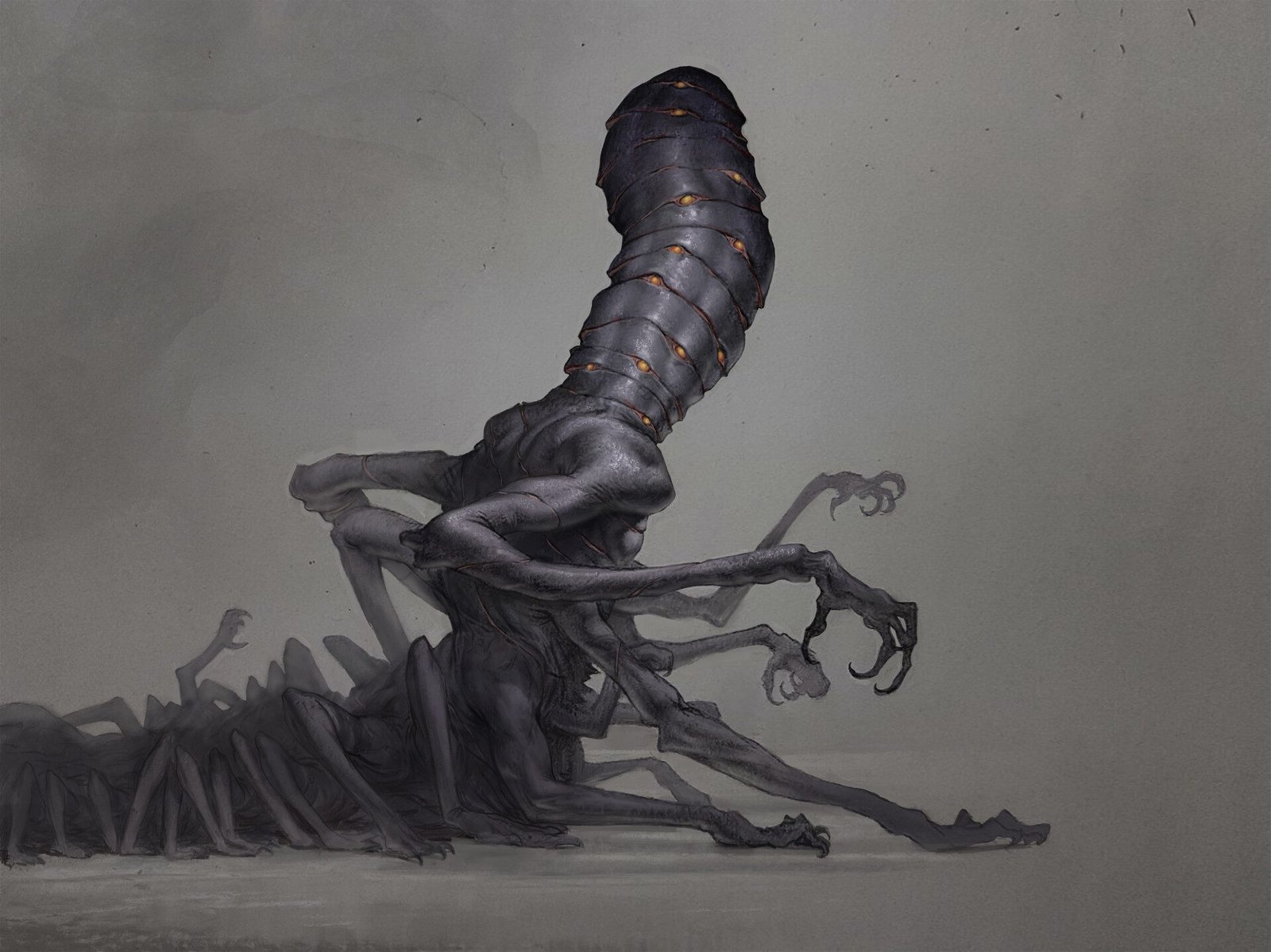
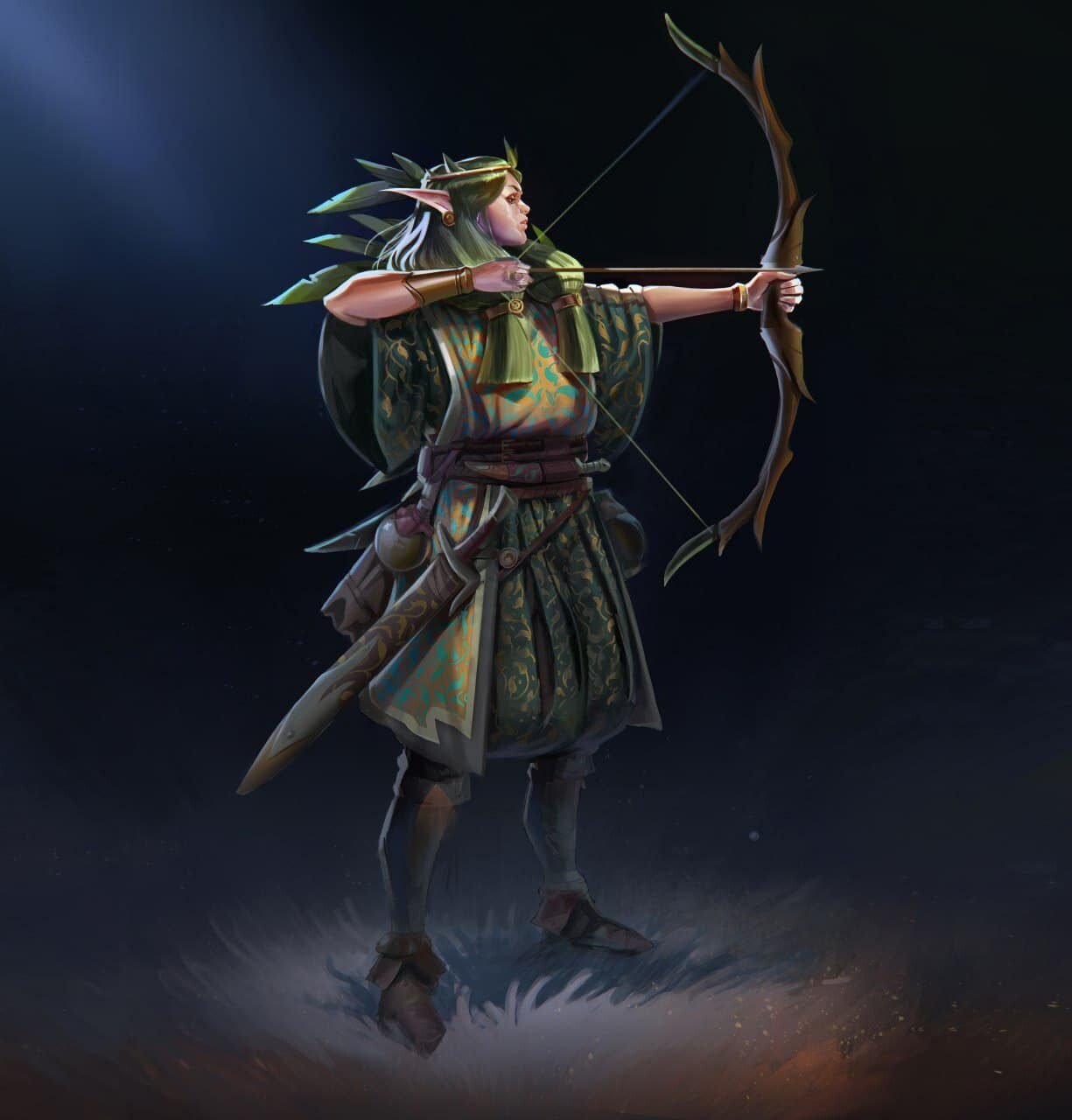
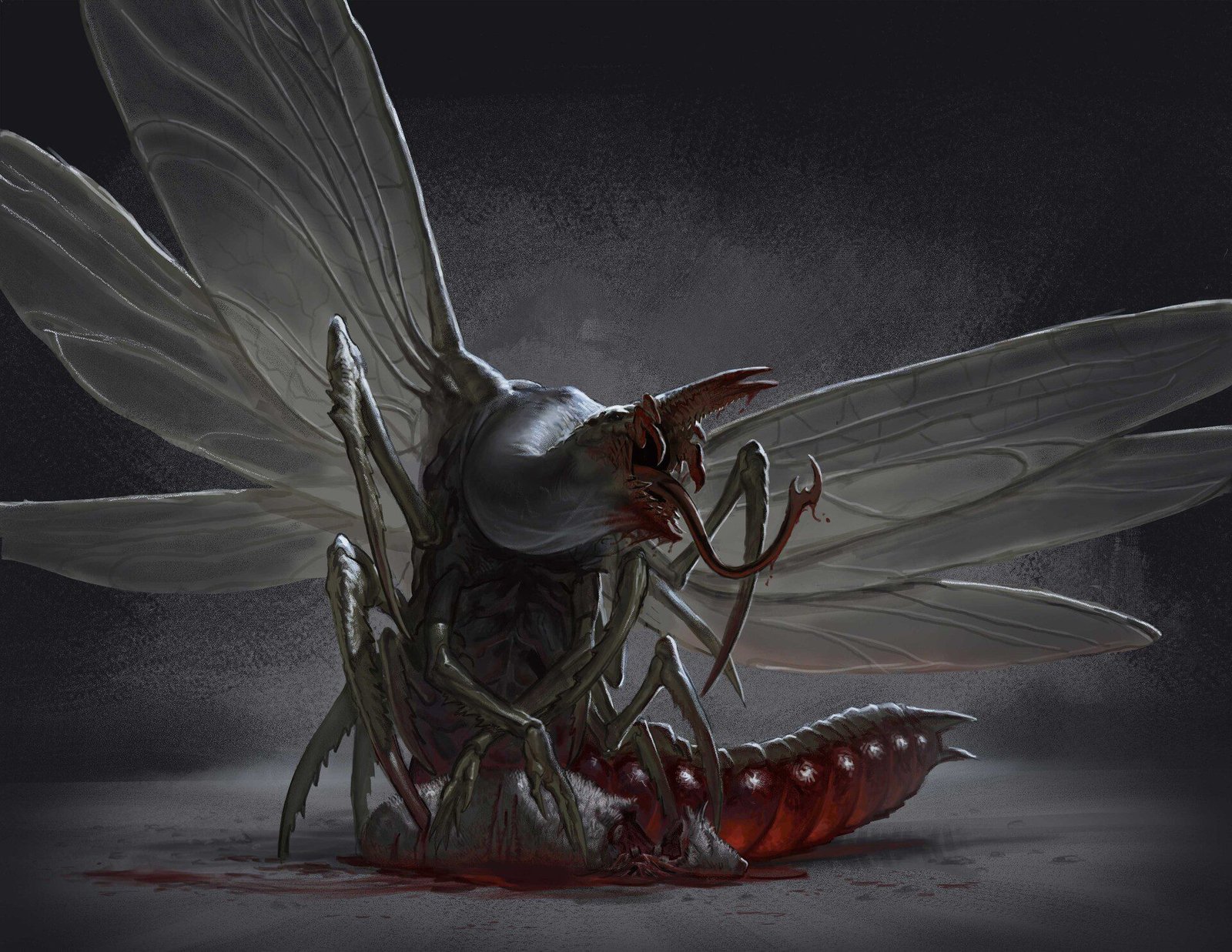
2d art
production

Our 2d art services

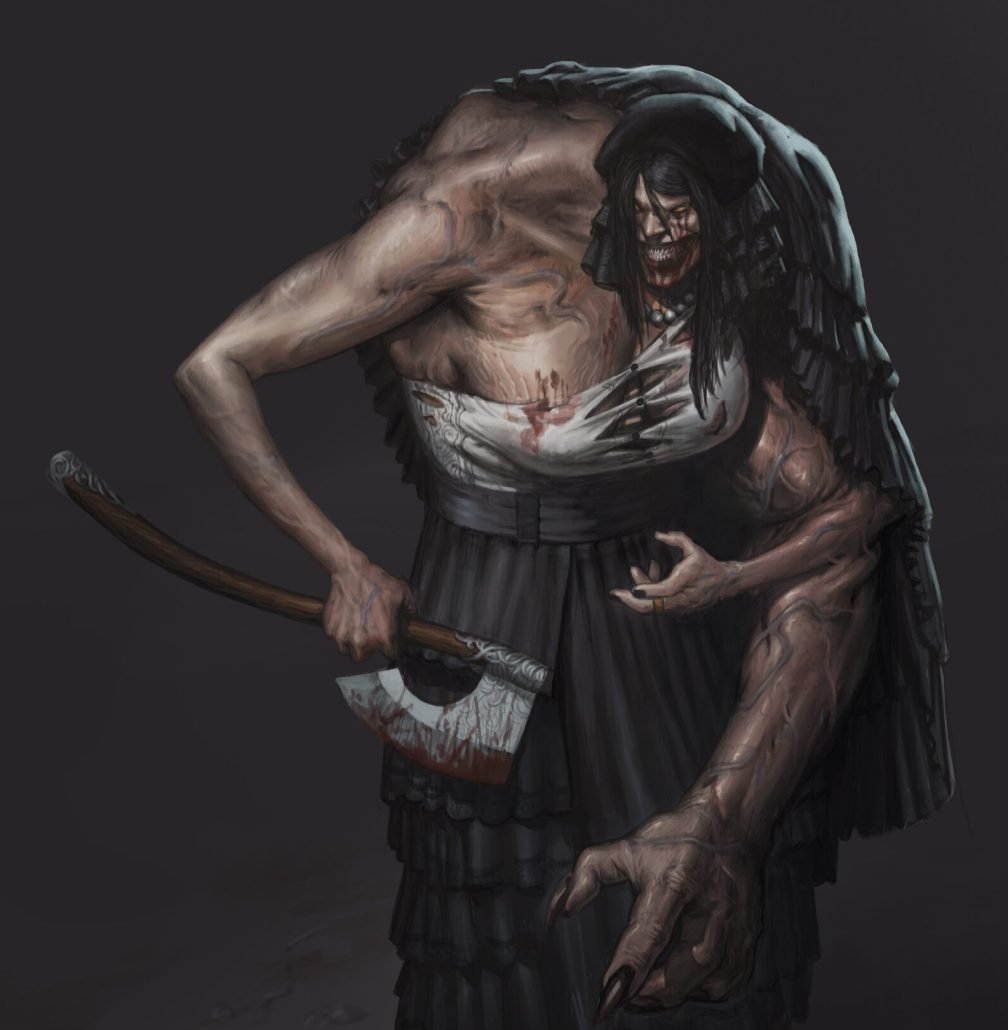
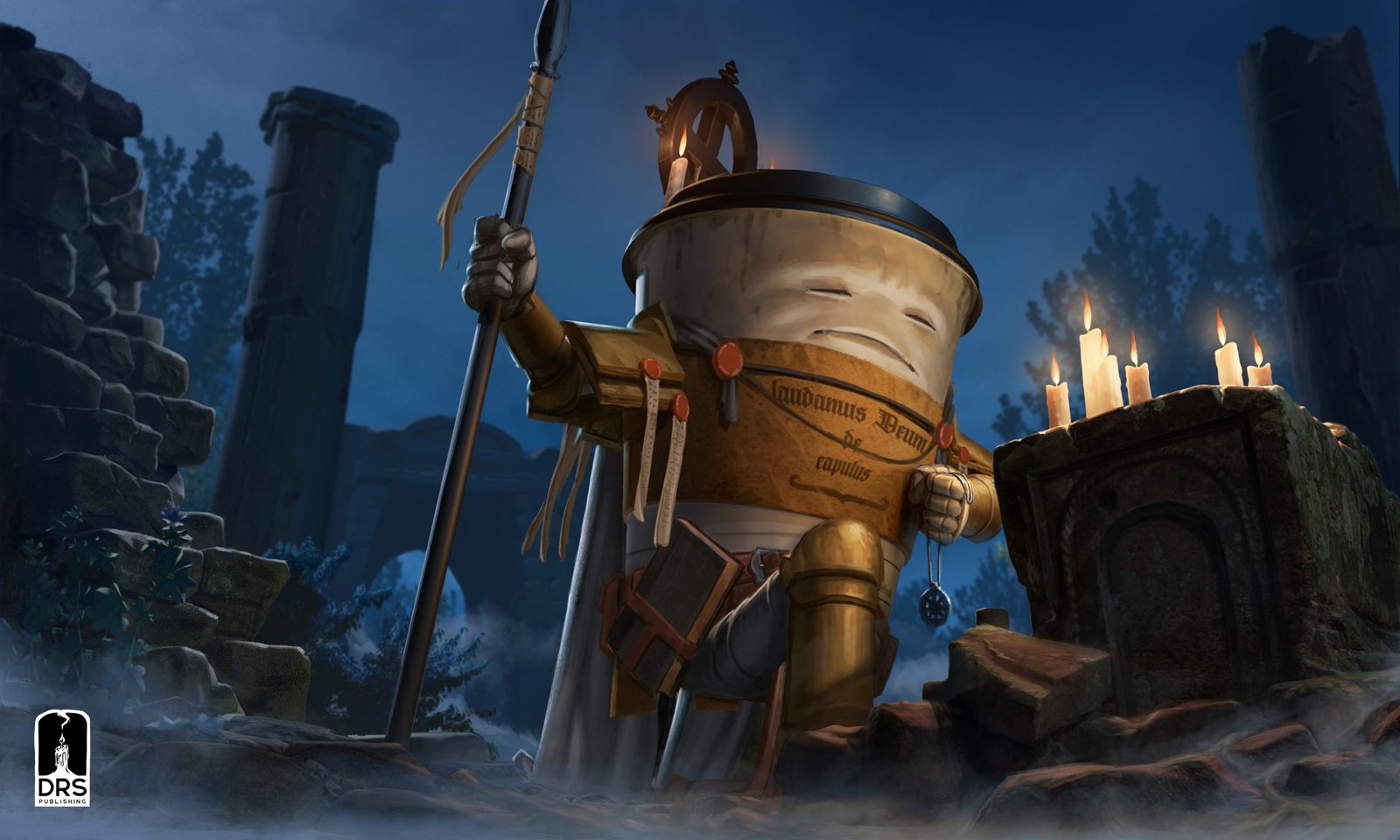
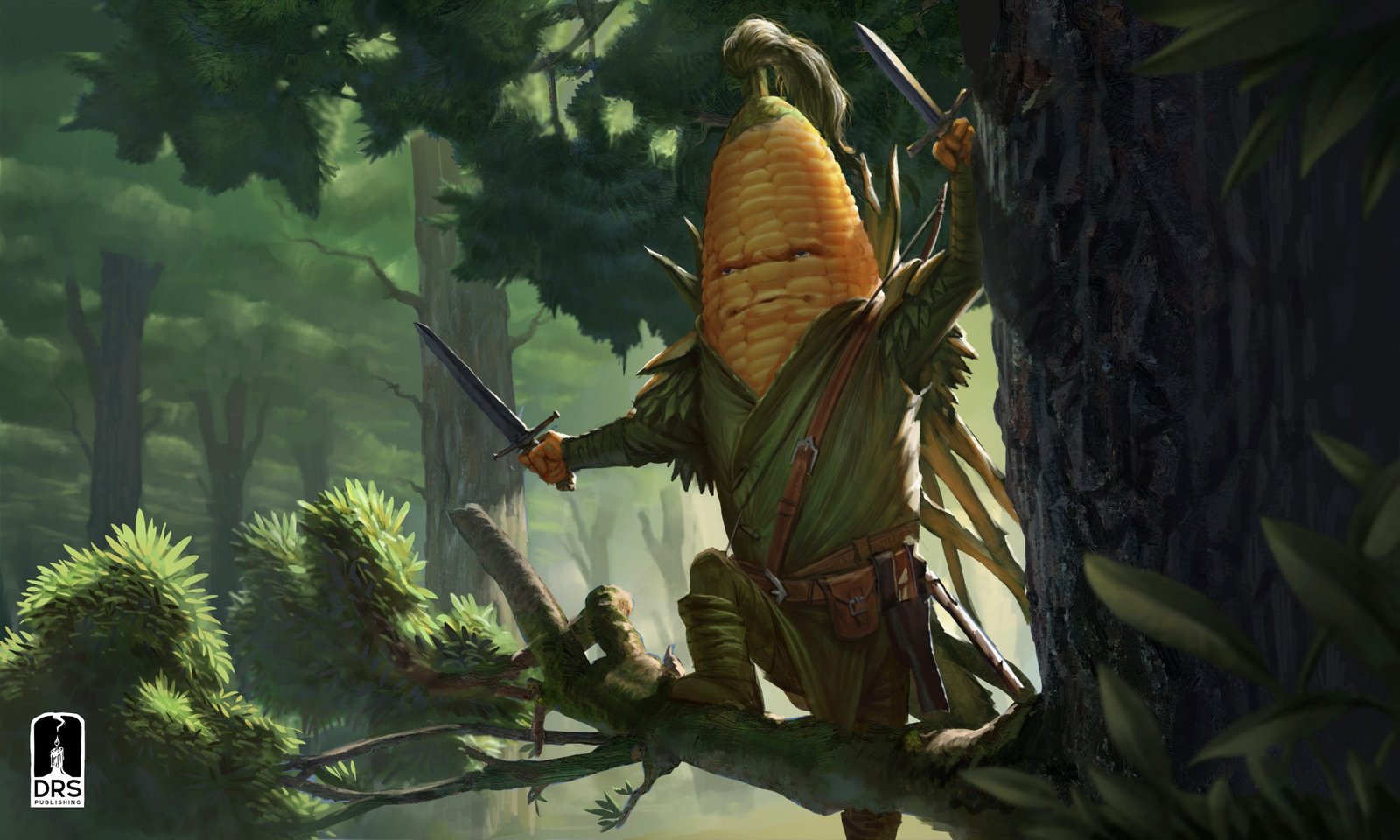
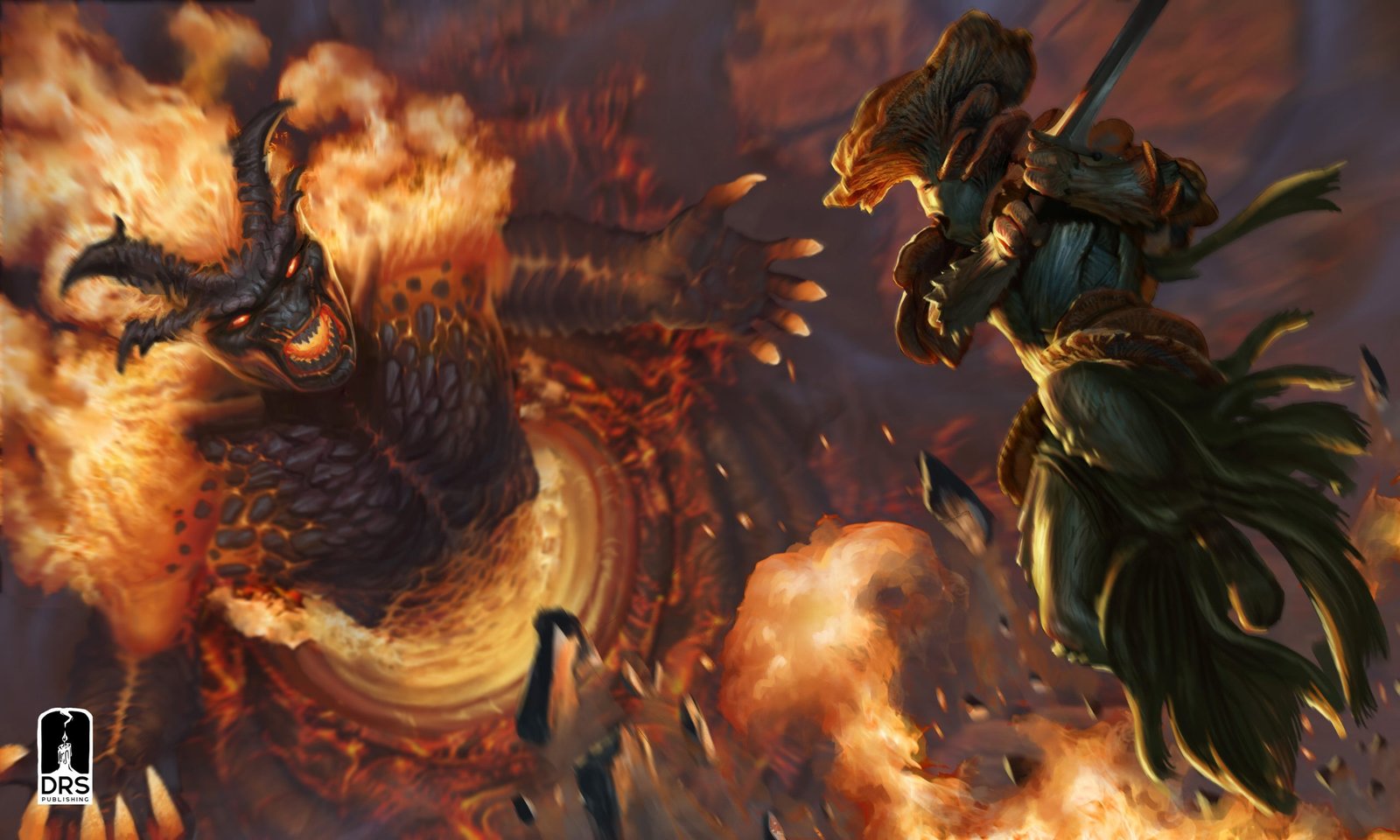
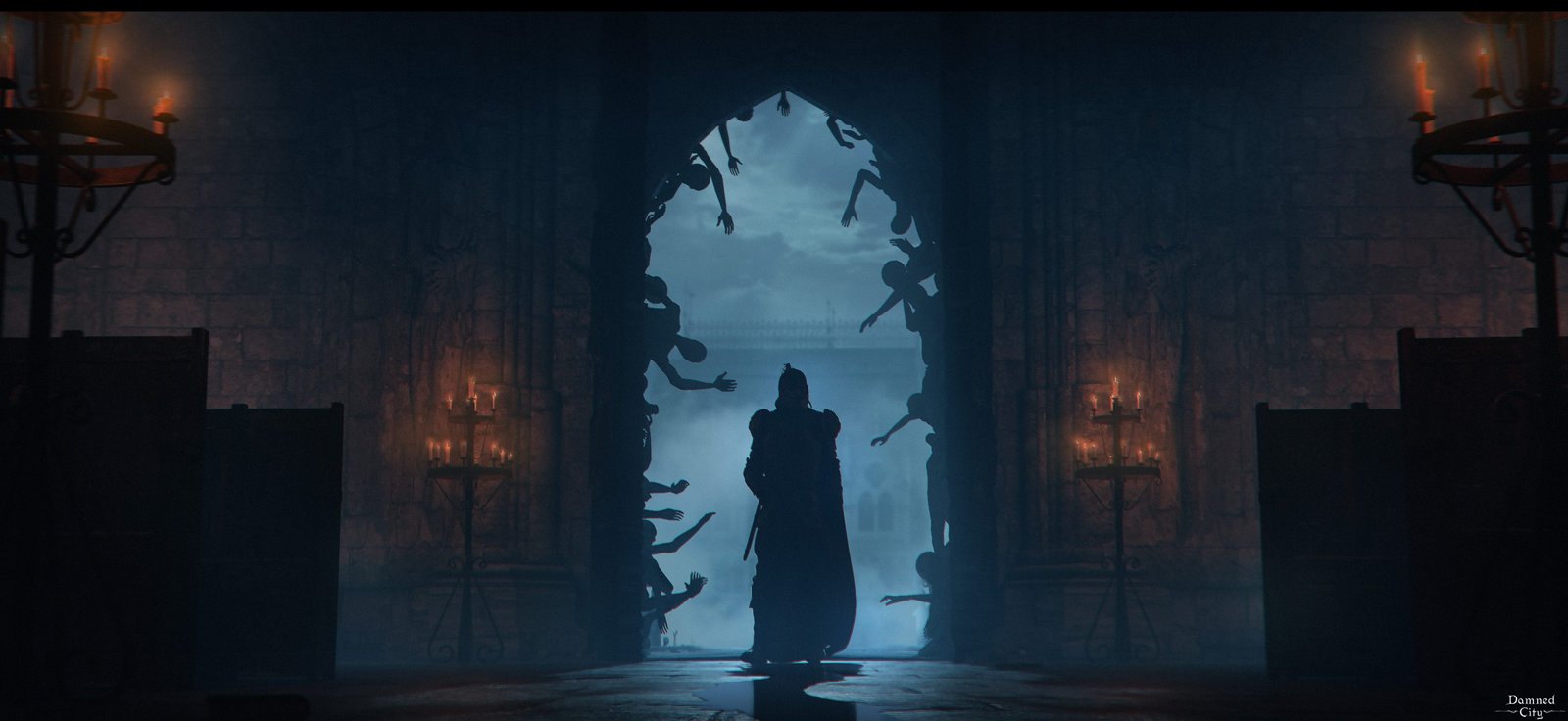
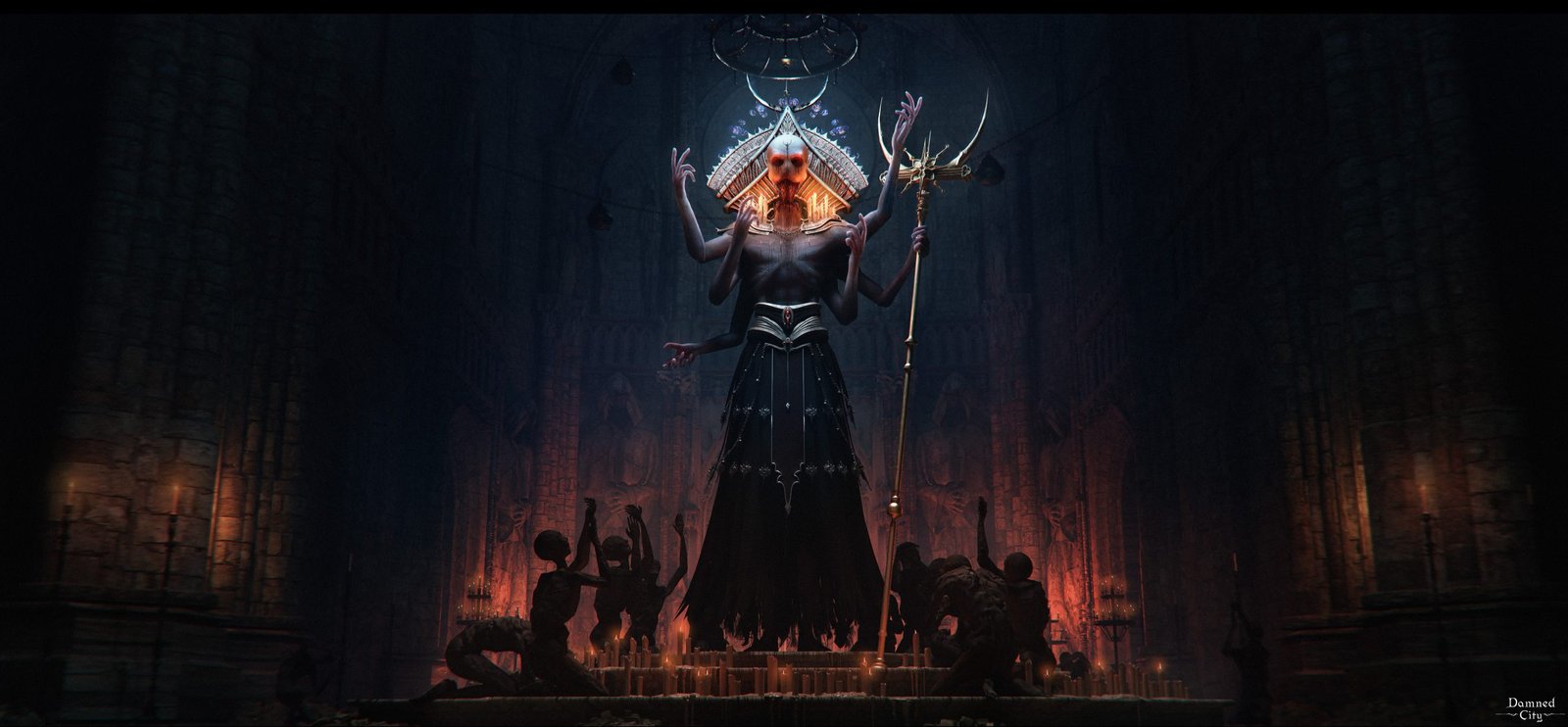
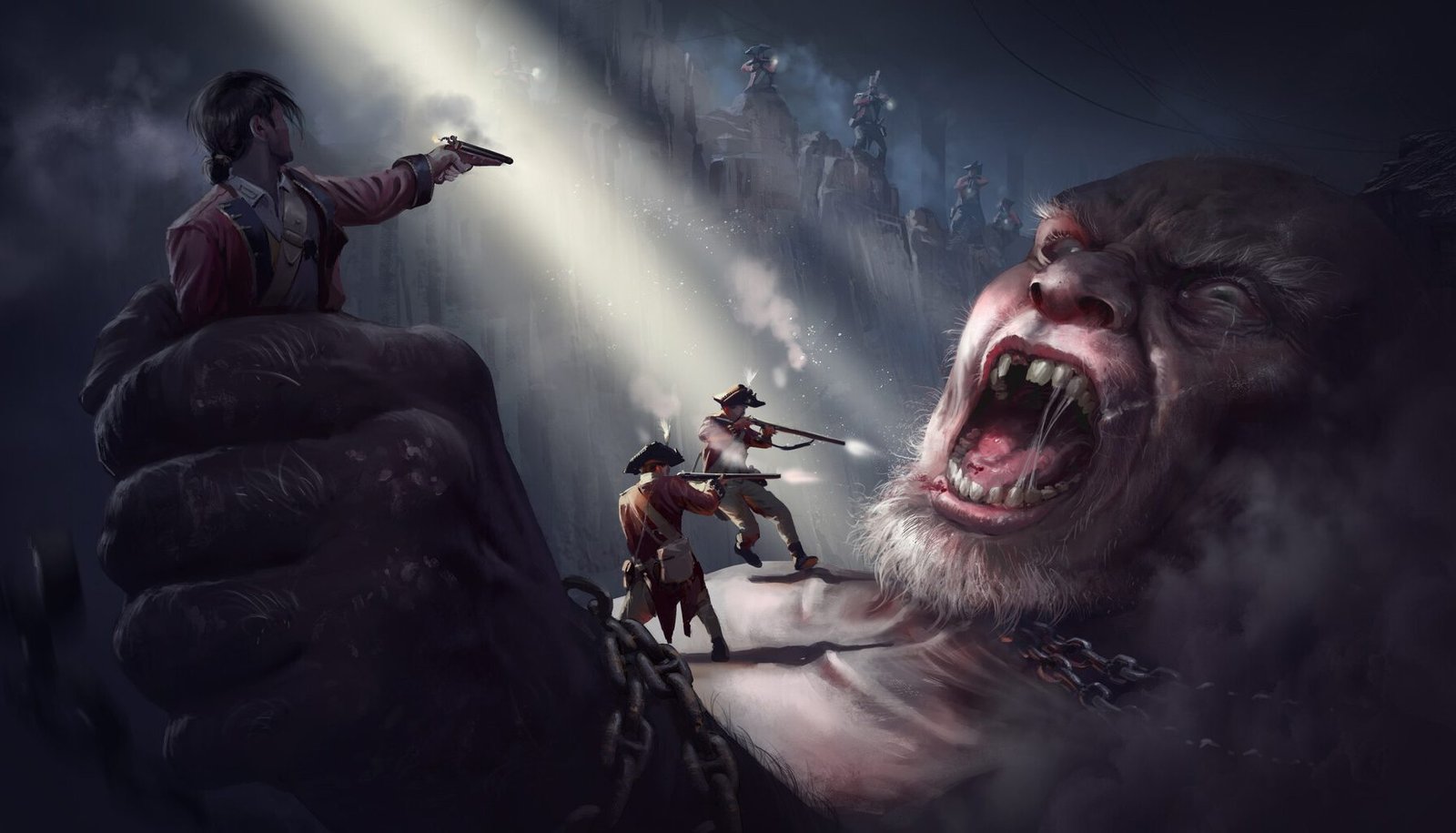
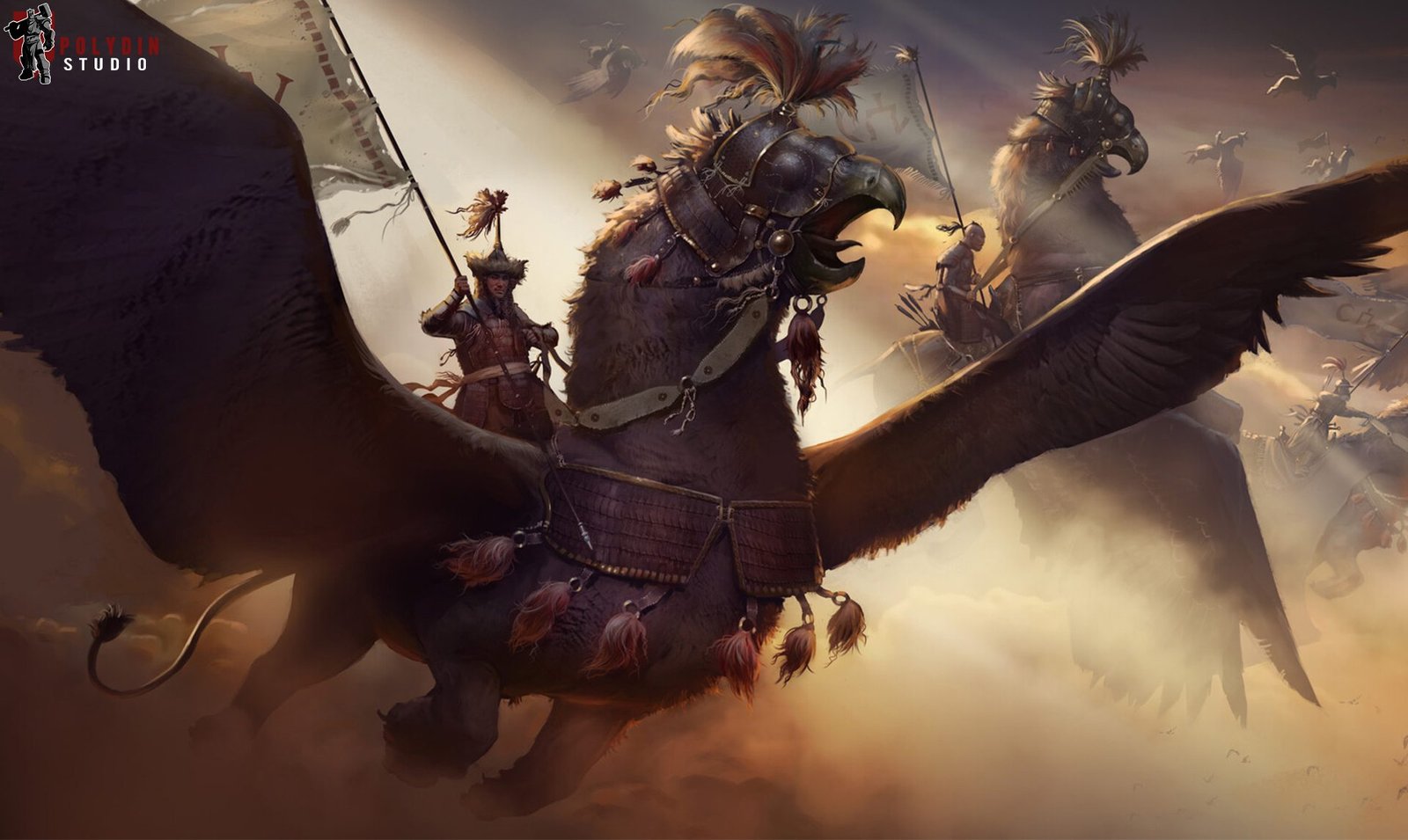
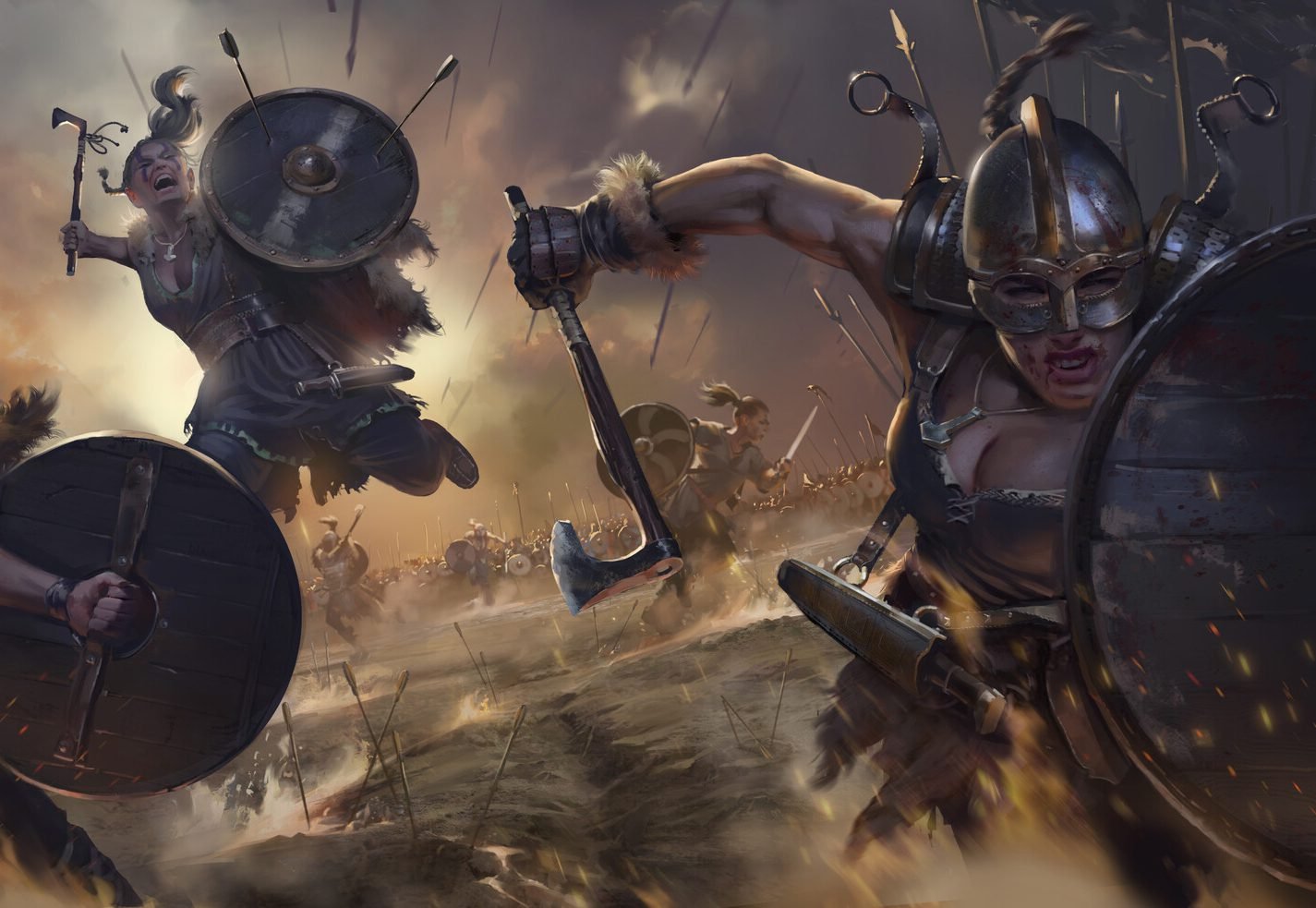
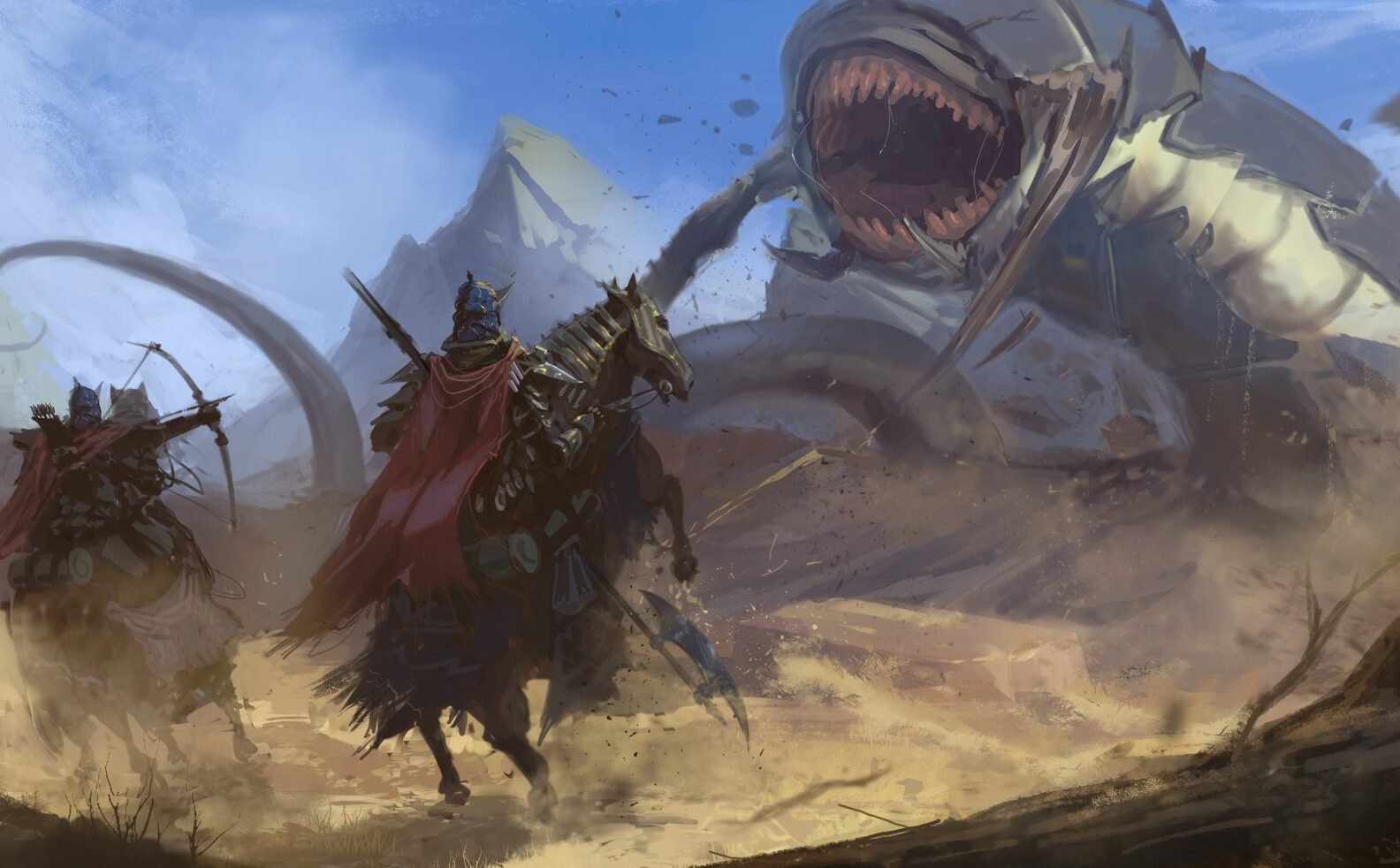
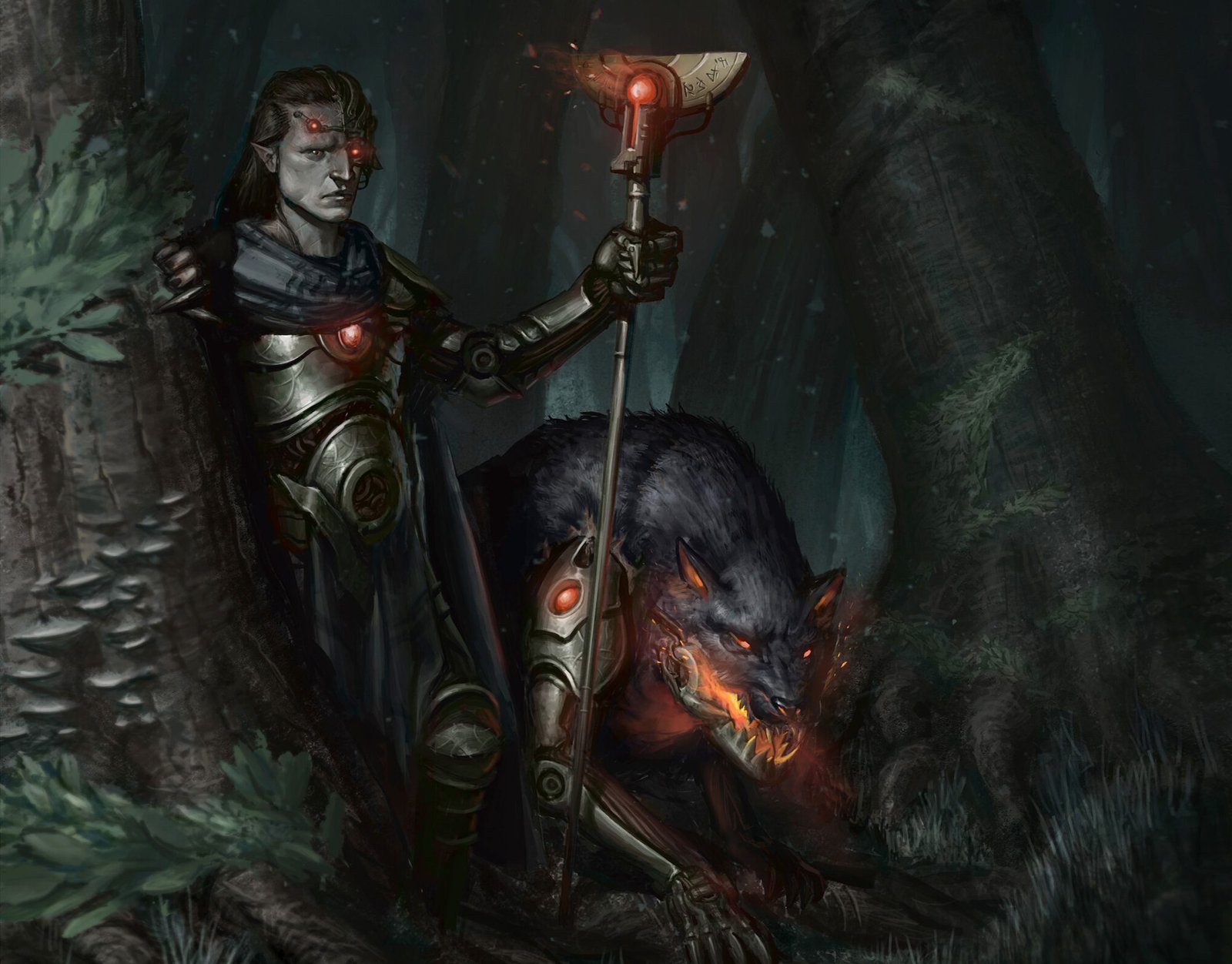
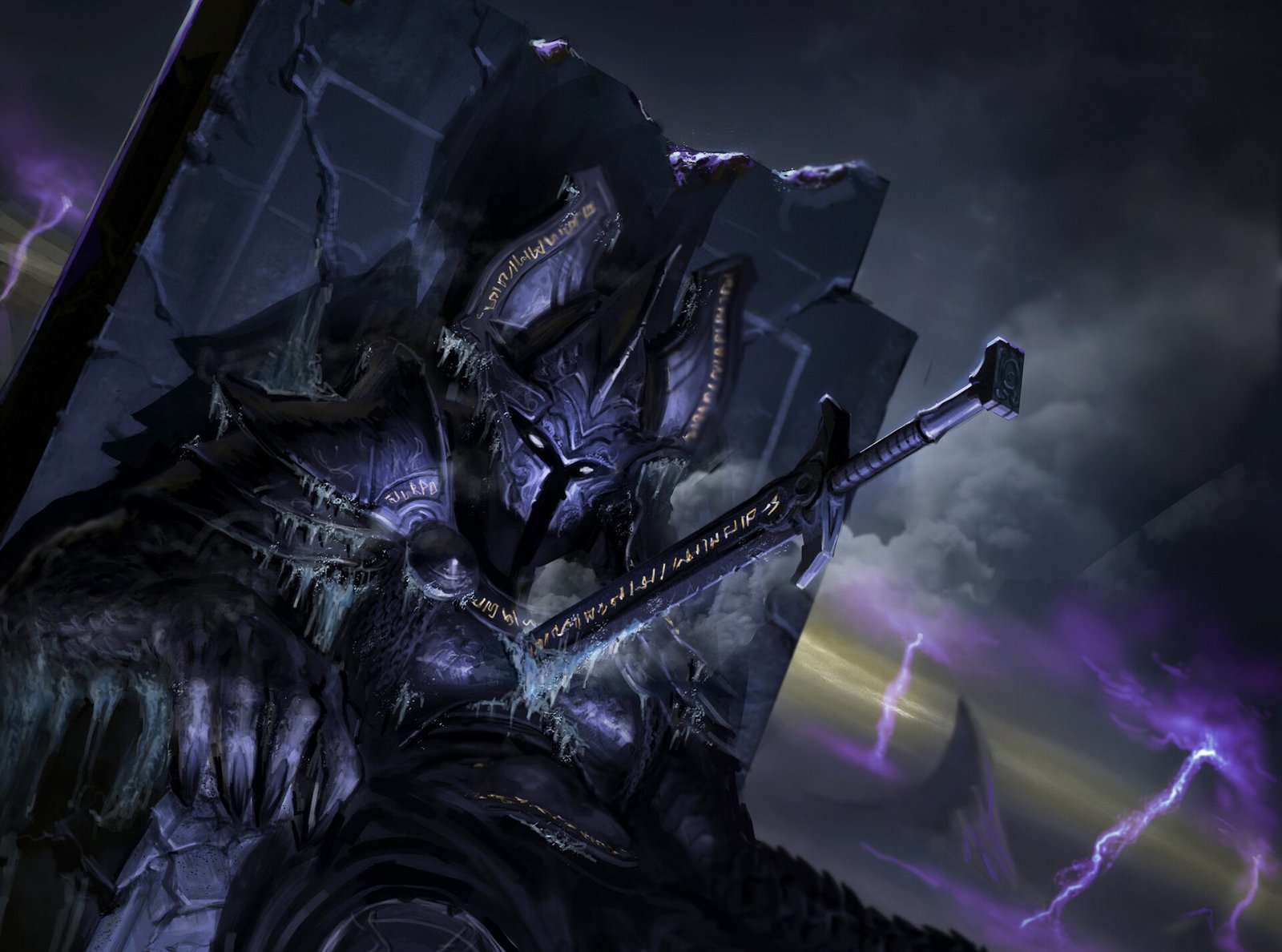
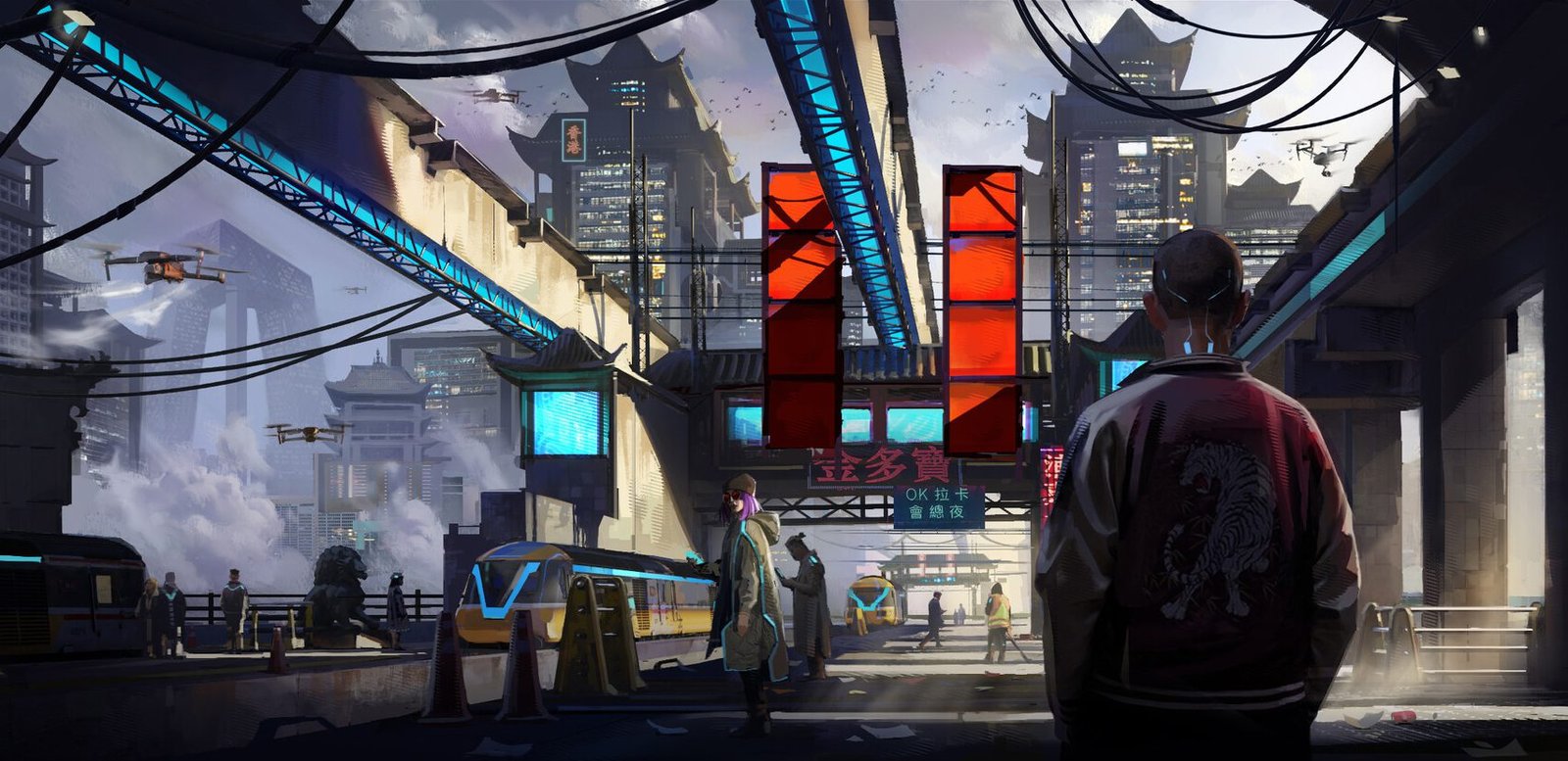
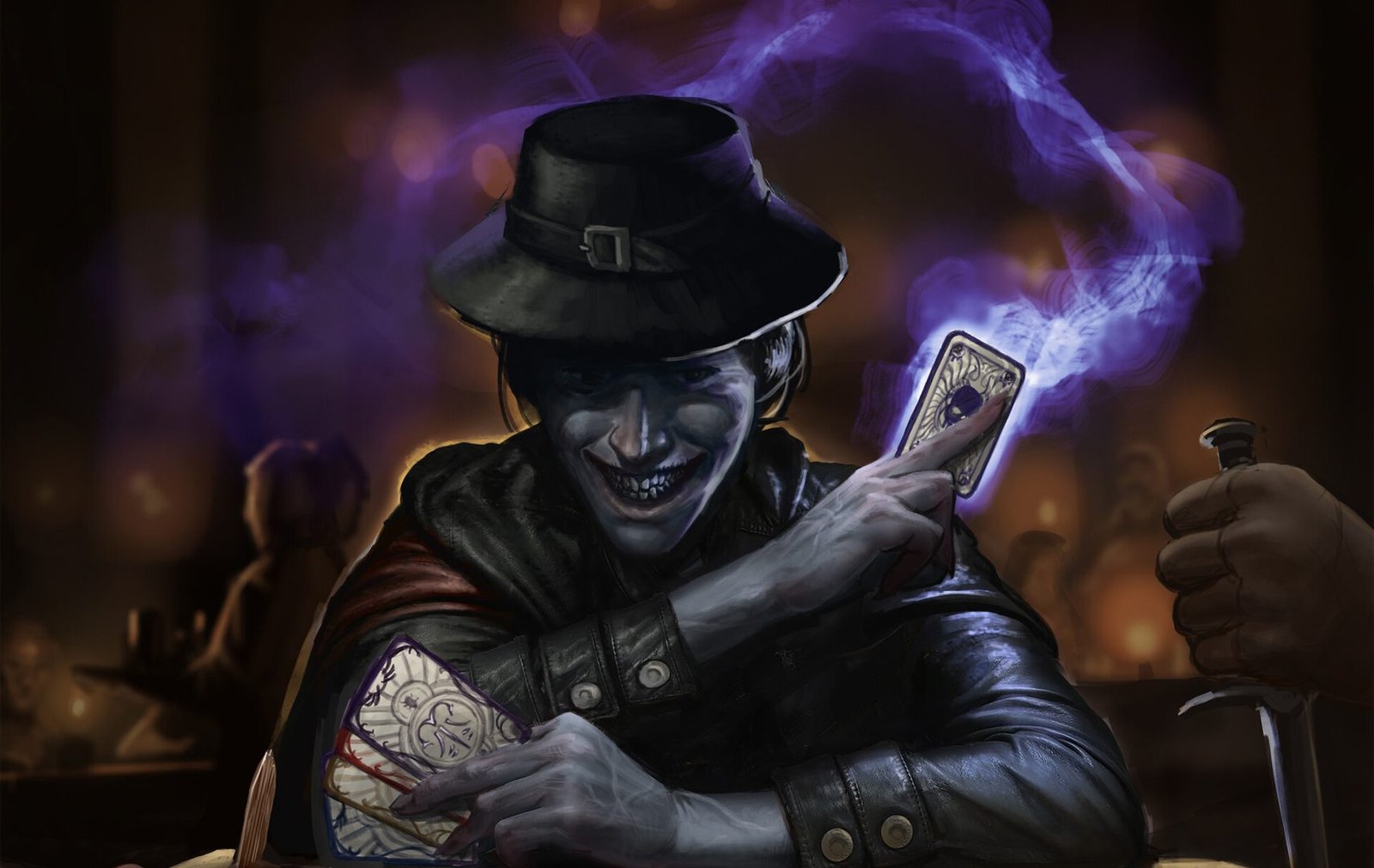
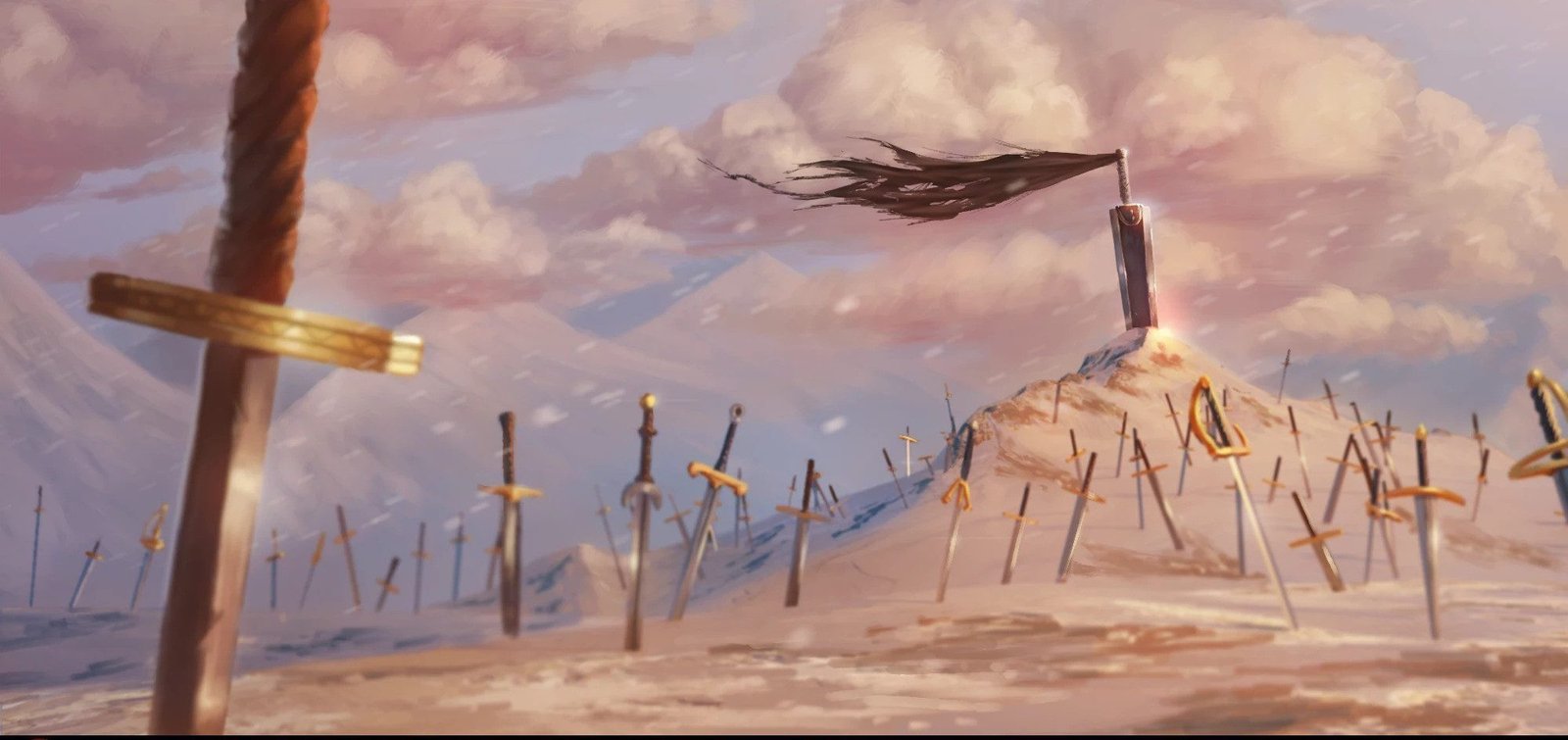
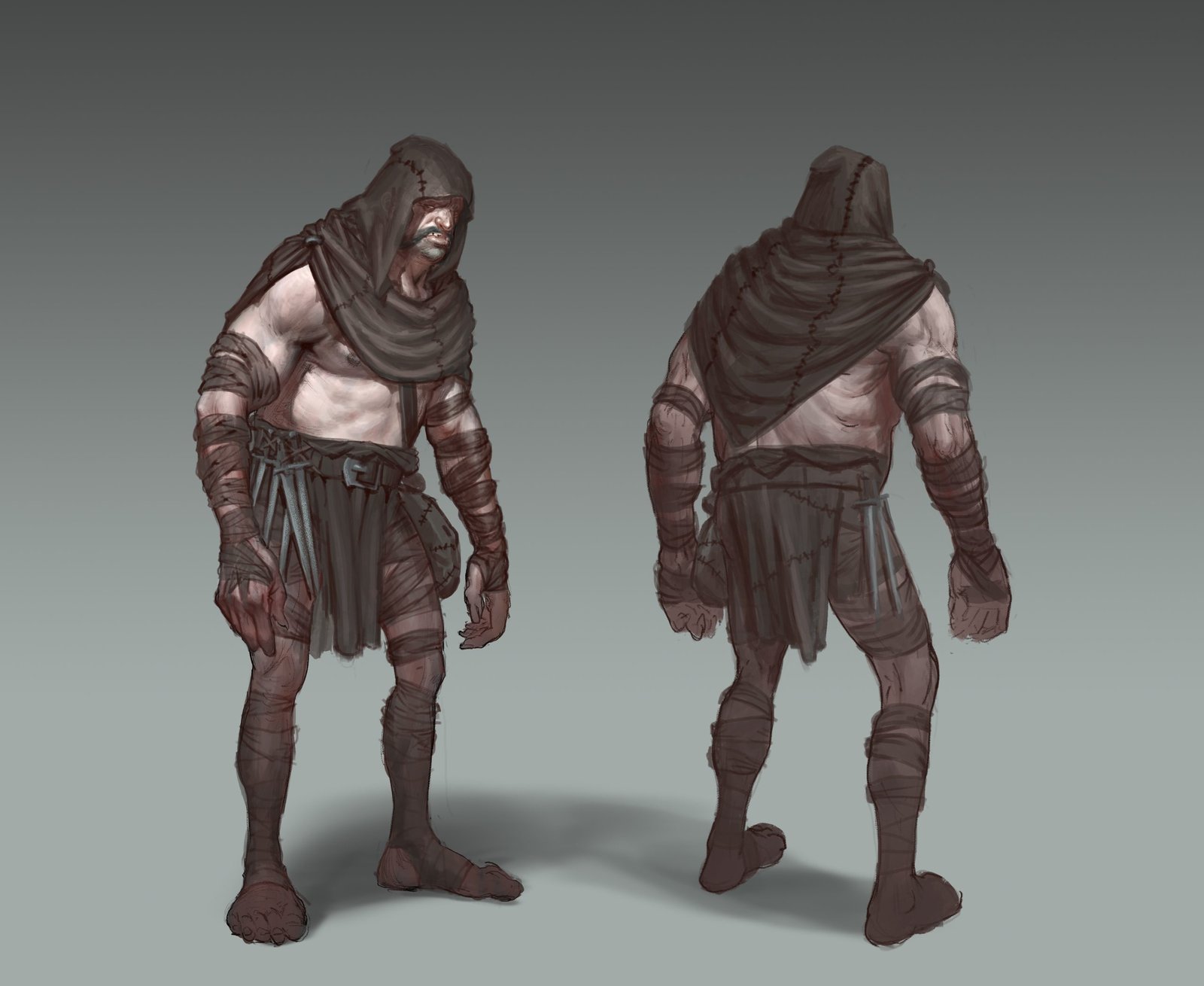
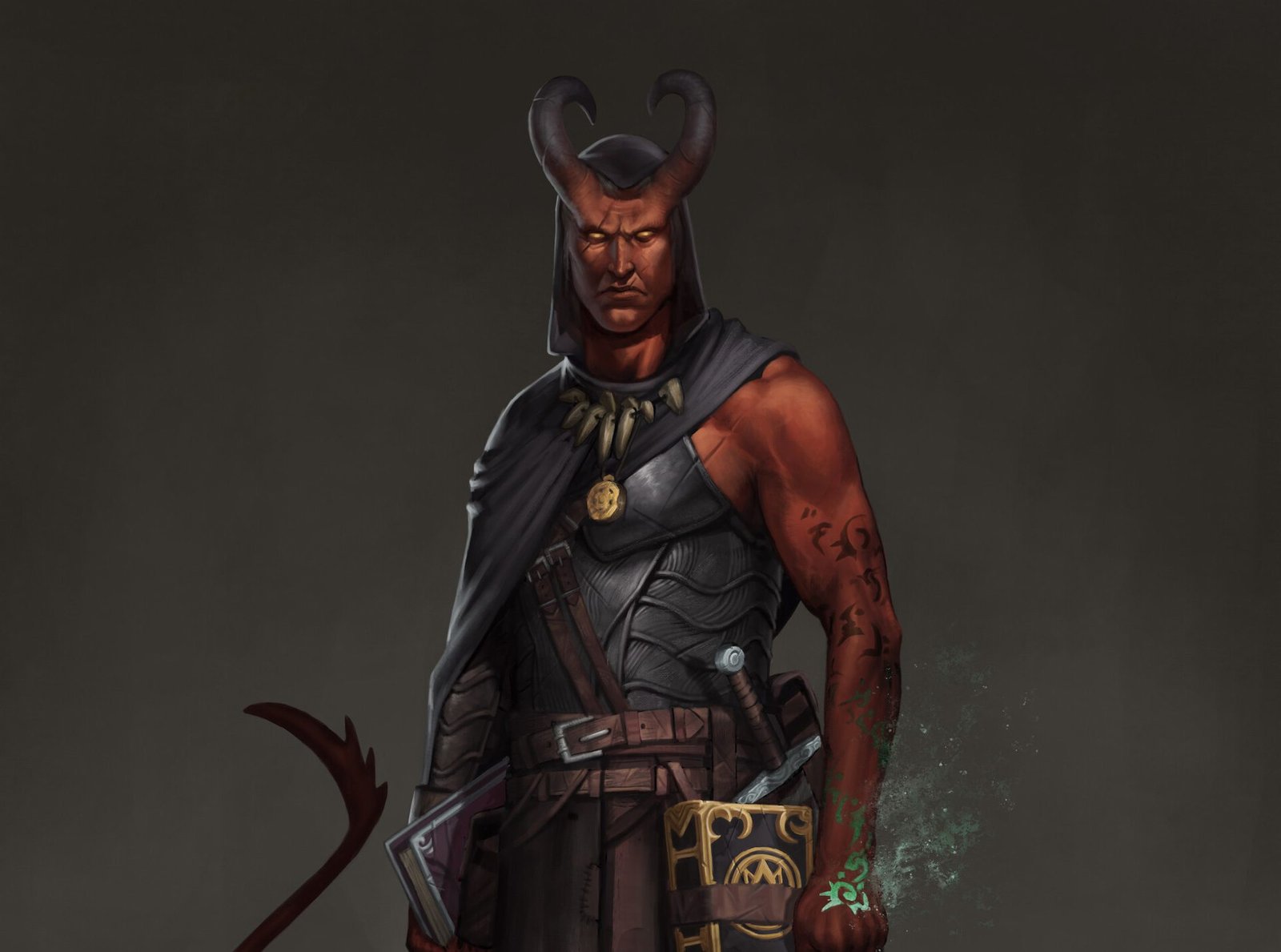
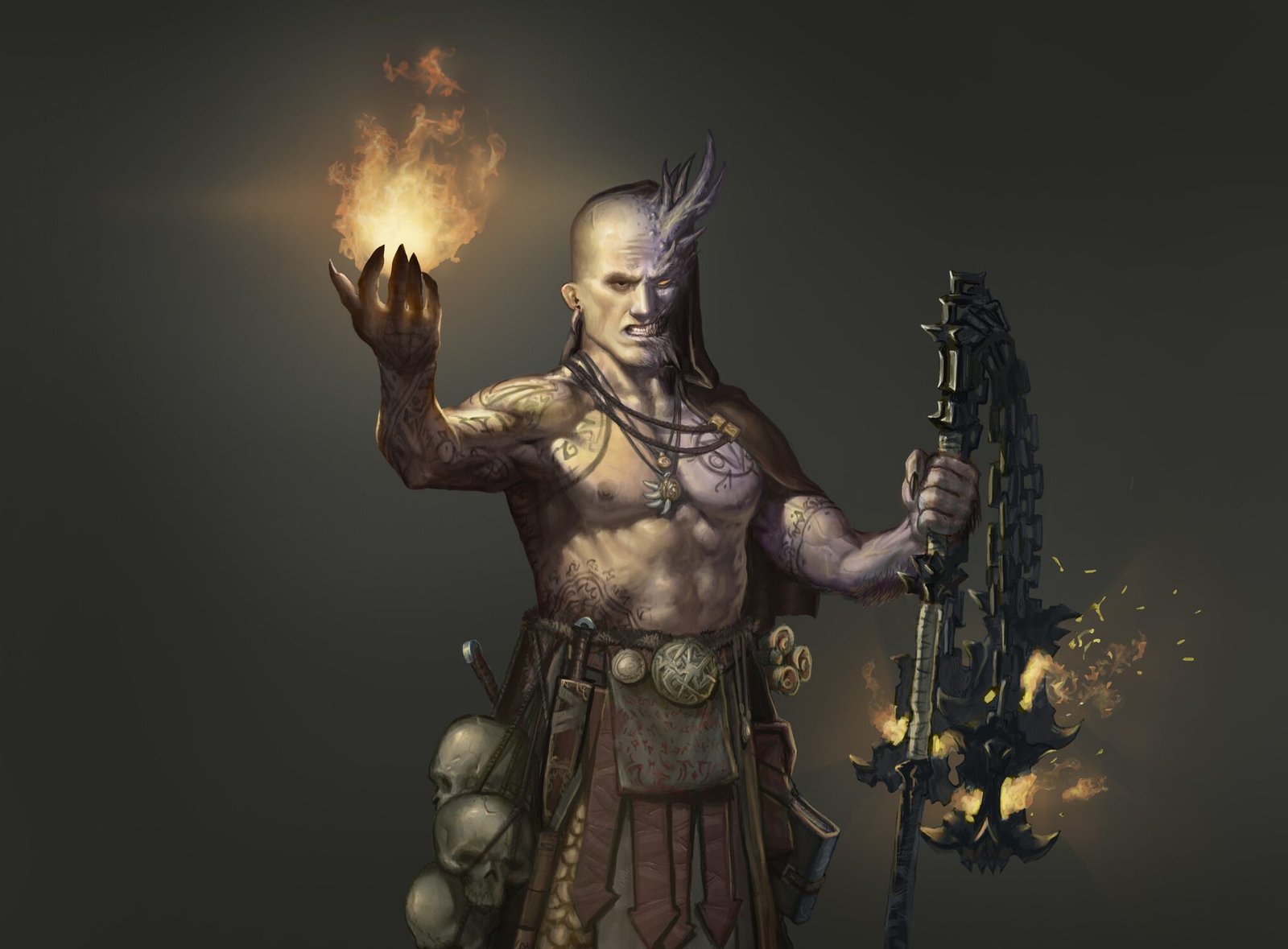
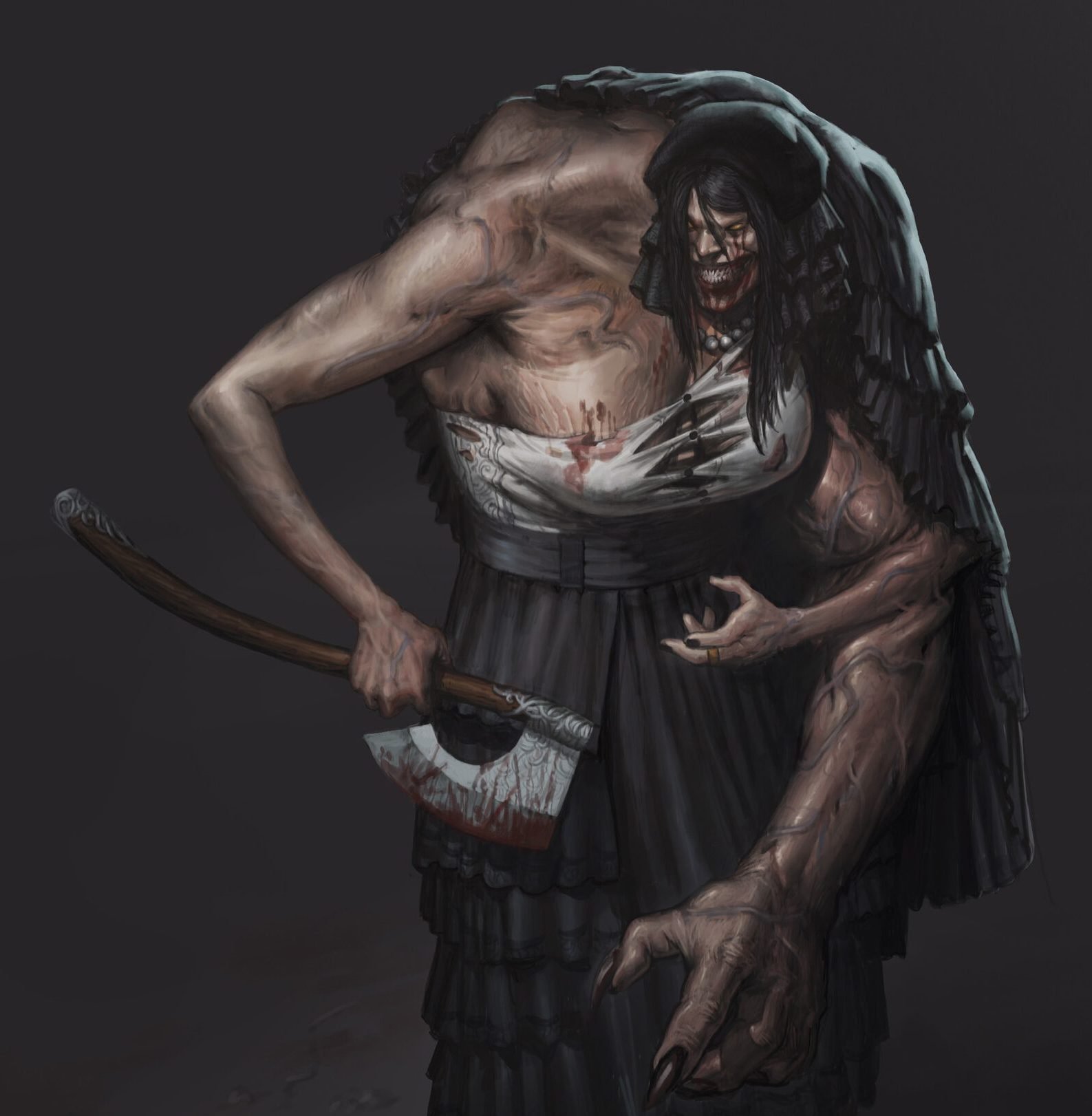
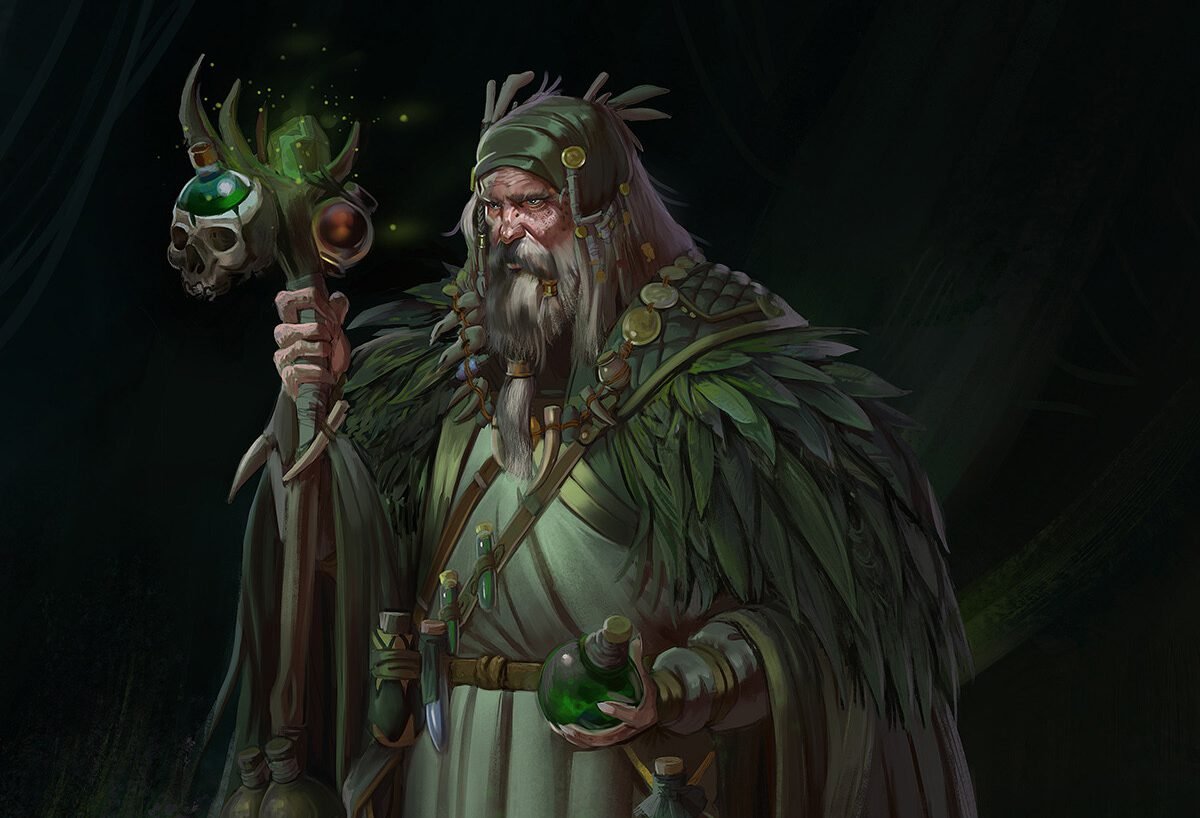
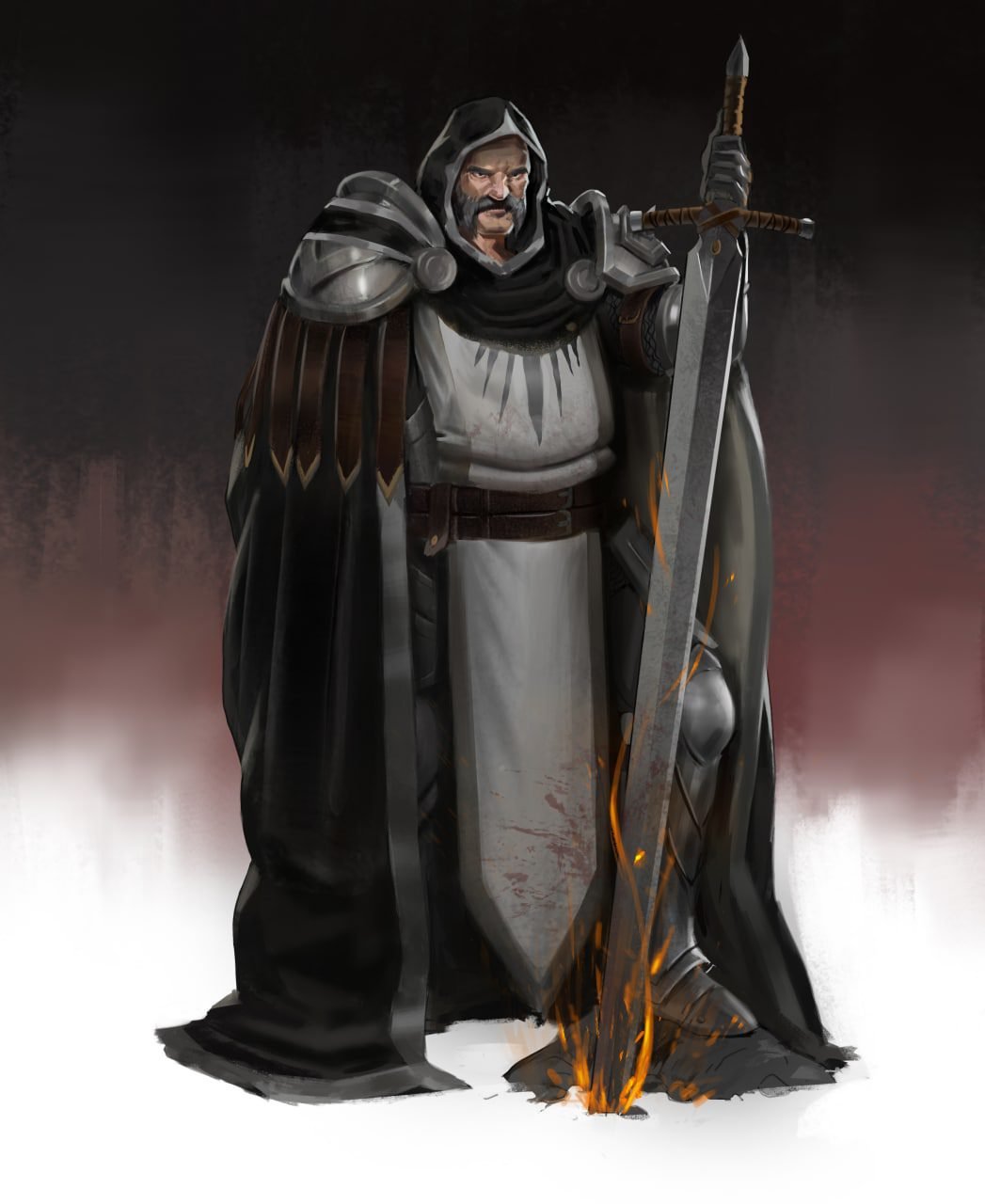
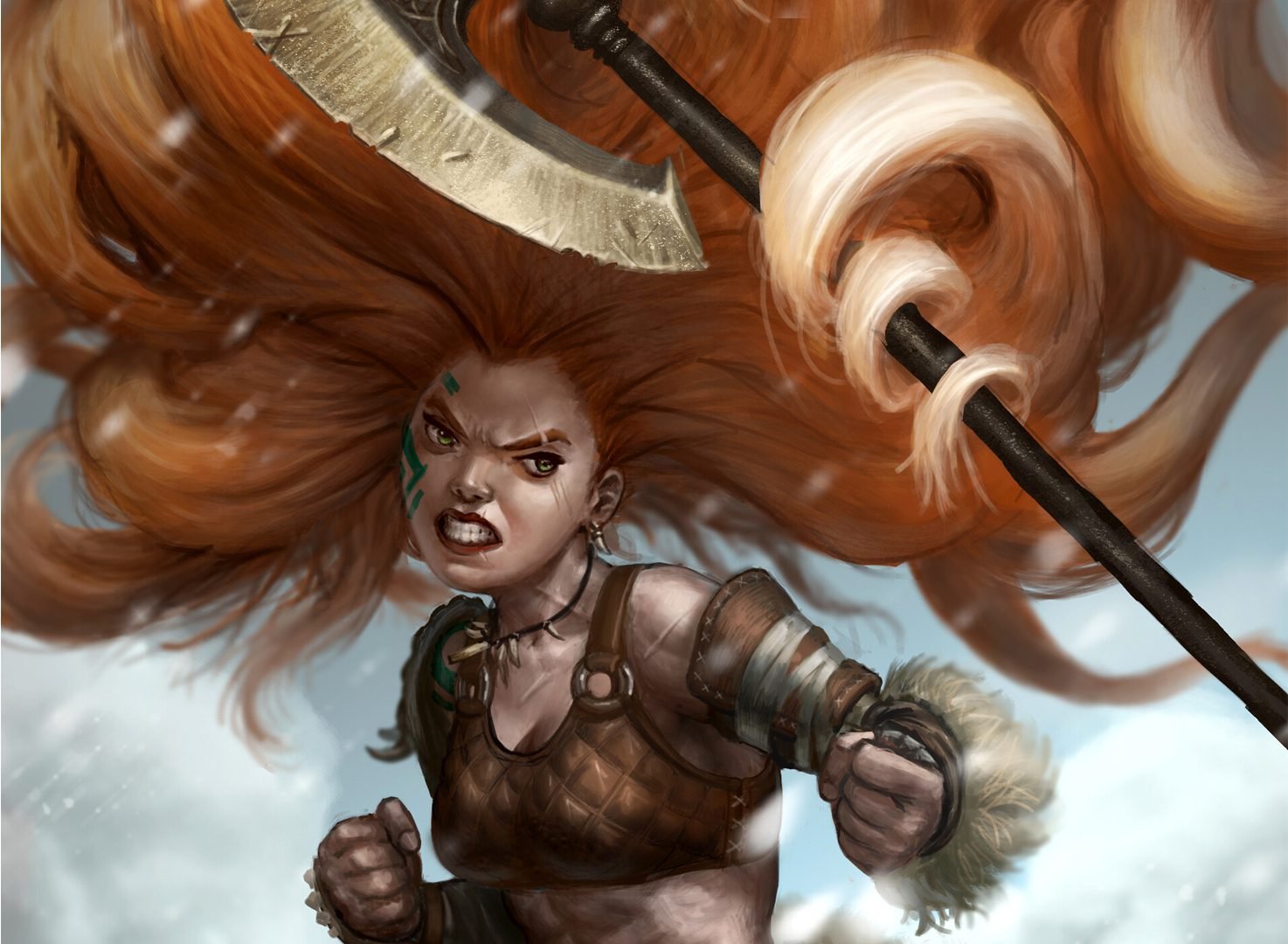
At our studio, we’re passionate about providing a range of 2D art production services. We’ve got a fantastic team of talented artists, and we’re always on the lookout for new and exciting projects to tackle. Our ambition and creativity know no bounds, and we’re committed to delivering a truly unique artwork that exceeds your expectations.

OUR APPROACH AND BENEFITS

At our studio, we offer a comprehensive range of art services to meet all your needs. From high-quality 2D art production in various formats and styles to any kind of art outsourcing, Polydin is your ultimate choice. we are committed to come up with the best for our clients since our artists can adapt to any style and pipelines.

EXPERIENCED ARTISTS

Each of our artists has unique skills and strengths, and their experience combined can overcome any kind of project with different themes and styles.

PARTNERSHIP

We strive to keep our clients satisfied and eventually transform them into our long-term partners.

COMPETITIVE PRICES

We not only provide 2D art production services, but also offer competitive and affordable pricing that sets us apart from other studios.

TECHNICAL EXPERTISE

logo-figma-d
photoshop_PNG39-سفید
Adobe-Illustrator-logo00
ZBrush-Logo-
maya

OUR WORKS

What Others Say About Us

Professional 2D Art Production for Games and Animation

2D art production is a fundamental stage in game development and animation. It focuses on creating visually engaging assets that define the project’s tone and style. This process involves concept sketching, character design, environment creation, and UI element development, which are all brought to life through detailed illustration and digital painting techniques. Skilled 2D artists work with precision to ensure that every visual component supports the story and the flow of gameplay. Whether the style is stylized cartoons or realistic visuals, 2D art production combines creativity and technical expertise to achieve a cohesive and memorable aesthetic. At Polydin Game Art Studio, our 2D art team creates high-quality visuals tailored to each project’s artistic direction. We ensure that every asset enhances the player experience.

FAQs

What is 2d art?

2D art, also known as two-dimensional art, refers to artworks created on a flat surface, such as a canvas, paper, or computer screen, that has only two dimensions: width and height. This means that the artwork does not have depth, and the illusion of depth is created through the use of perspective, shading, and other techniques.

Some examples of digital 2D art include digital paintings, illustrations, sketches, and graphic designs. The digital nature of this art form allows for greater flexibility and control, as artists can easily make changes, undo mistakes, and experiment with different techniques without having to worry about damaging the physical artwork.

2D art is becoming increasingly popular in the fields of animation, video game design, and graphic design, as it allows artists to create high-quality, complex visuals with greater speed and efficiency than traditional methods.


1. Concept Development
The process begins with brainstorming and defining the visual direction of the artwork. Artists work closely with game designers or clients to understand the narrative, mood, and style that the piece should convey. This stage often includes mood boards, reference gathering, and rough ideas that set the creative foundation.
2. Sketching & Line Art
Once the concept is approved, artists create sketches to explore form, composition, and perspective. These sketches may include multiple iterations to refine proportions and detail placement. Clean line art follows, establishing the structure and ensuring clarity for later stages. At this point, the artwork begins to take a recognizable shape that aligns with the project’s goals.
3. Color Concept
Color is introduced to bring life and mood to the piece. Artists experiment with palettes that best fit the world or brand identity. This stage may include several variations to test how different colors influence the tone and readability. Strong color concepts are essential for ensuring consistency across characters, environments, or assets.
4. Polishing
After color direction is approved, artists refine details, add highlights, shadows, and textures, and enhance the overall depth of the artwork. Polishing ensures that the piece looks professional and is visually striking, whether it is used for marketing, game assets, or illustrations. Attention to detail here can transform a simple drawing into production-quality art.
5. Art Preparation
This technical stage involves formatting the artwork for integration into its final use. Artists separate layers, prepare transparent backgrounds, and optimize file sizes without losing quality. For games, this may also include sprite sheet creation, resolution adjustments, or scaling for different platforms. Proper preparation ensures smooth workflow for developers and animators.
6. Final Delivery
The finished artwork is delivered in the formats required by the client or project. This could include PSD, PNG, or vector files, depending on the intended application. Final delivery also ensures consistency with earlier feedback, making the artwork ready for use in production or publication.
Why Outsource 2D Art Services?
Outsourcing 2D art allows studios and businesses to access specialized talent without the overhead of maintaining a full-time art team. Agencies bring expertise across styles and formats, scale up production quickly, and ensure professional quality. It also saves time, letting internal teams focus on core design and development. For indie studios and larger companies alike, outsourcing provides flexibility, efficiency, and cost-effectiveness.

Drawing is a technique used to create 2D art. It involves using tools such as pencils, pens, or charcoal to make marks on a surface such as paper or canvas. Drawing can be used to create a wide range of images, from sketches to detailed illustrations, and can be done in a variety of styles.

2D art, on the other hand, refers to any artwork that is created on a flat surface, such as paper, canvas, or a computer screen. This includes not only drawings, but also paintings, prints, digital art, and other forms of visual art that do not have a physical depth.

In other words, drawing is a specific technique used within the broader category of 2D art. While drawing is a fundamental skill for many 2D artists, not all 2D art production is created through drawing.

Some of the key characteristics of 2D art include:

Flatness: 2D art is flat, meaning that it does not have any physical depth. It is created on a two-dimensional surface, such as paper, canvas, or a computer screen.

Composition: The composition of a 2D artwork is an important aspect of its overall design. Artists use various elements, such as color, line, shape, and texture, to create a visually appealing composition.

Perspective: Although 2D art is flat, artists can create the illusion of depth and space through the use of perspective techniques.

Color: Color is a crucial element in 2D art. Artists use color to create mood, convey meaning, and add visual interest to their work.

Line: Line is used in 2D art to define shapes and create texture. It can be used to create both realistic and abstract images.

Texture: Texture adds depth and dimension to a 2D artwork. Artists can create texture using a variety of techniques, such as crosshatching, stippling, and blending.

Style: There are many different styles of 2D art, each with its own unique characteristics. Some common styles include realism, impressionism, abstract, and pop art.

What is 2D vs 3D in art?

Digital 2D art refers to artwork that is created on a two-dimensional digital canvas using digital drawing and painting tools. This includes illustrations, graphic design, digital painting, and other forms of digital art that do not have physical depth.

Digital 3D art, on the other hand, refers to artwork that is created in three dimensions using digital modeling and rendering tools. This includes 3D animation, video game design, virtual reality experiences, and other forms of digital art that have physical depth.

The main difference between digital 2D and 3D art is that 2D art is flat and has no physical depth, while 3D art has physical depth and occupies space in a virtual environment. Additionally, digital 2D art is usually viewed from a single perspective, while digital 3D art can be viewed from multiple angles and perspectives.

There are several reasons why one might choose to hire a 2D game art outsourcing studio for their game development project:

Specialization: 2D game art outsourcing studios specialize in creating high-quality 2D art assets for games. They have the expertise and experience needed to create visually appealing game assets that meet the specific needs and requirements of a game project.

Cost-effectiveness: Outsourcing game art can be more cost-effective than hiring an in-house team. Game art outsourcing studios can provide high-quality artwork at a lower cost because they have specialized equipment, software, and workflows that enable them to work efficiently.

Time-saving: Developing high-quality game art can be a time-consuming process. Outsourcing game art studios can help save time of 2D art production by allowing game developers to focus on other important aspects of game development, such as programming and game design.

Flexibility: 2D game art outsourcing studios offer flexible services that can be tailored to the specific needs of a game development project. They can provide a wide range of services, from concept art and character design to backgrounds and UI design.

Quality: A reputable 2D game art outsourcing studio will have a team of skilled and experienced artists who are dedicated to creating high-quality game assets. They will use the latest techniques and tools to create artwork that is visually appealing and meets the standards of the gaming industry.

The “best” 2D art program can vary depending on individual preferences, specific needs, and the artist’s level of expertise. However, there are several highly regarded and widely used 2D art programs in the industry. Here are some of the popular ones:

Adobe Photoshop: Adobe Photoshop is one of the most well-known and versatile software for digital art and image editing. It offers a comprehensive set of tools and features for creating and manipulating 2D artwork.

Procreate: Procreate is a powerful and intuitive digital painting app designed specifically for iPad. It is widely praised for its natural brush engine, extensive brush library, and user-friendly interface.

Clip Studio Paint: Clip Studio Paint, formerly known as Manga Studio, is a feature-rich software popular among illustrators, comic artists, and animators. It provides a wide range of tools and features tailored for creating 2D art and comics.

Corel Painter: Corel Painter is known for its natural media brushes and emulation of traditional art materials. It offers a vast array of brushes and tools to simulate various traditional art styles.

Krita: Krita is a free and open-source digital painting software that has gained popularity for its powerful brush engine, customizable interface, and extensive set of features.

GIMP: GIMP (GNU Image Manipulation Program) is a free and open-source raster graphics editor. While not specifically designed for digital painting, it offers a comprehensive set of tools for editing and creating 2D artwork.

It’s important to note that the “best” program for you ultimately depends on your specific requirements, workflow preferences, and personal artistic style. It’s recommended to try out different programs and see which one suits your needs and artistic vision the most.

While both 2D and 3D art have their own merits, 2D art has traditionally been more popular in certain areas due to a few key reasons. 2D art can have a unique visual charm and artistic quality that resonates with many people. Styles such as traditional hand-drawn animation, comic books, and illustrations have a long-standing cultural and artistic significance that continues to capture people’s imaginations.

2D art can be more accessible in terms of creation and consumption. It often requires fewer resources, equipment, and technical knowledge compared to 3D art, making it more approachable for aspiring artists and enthusiasts. Many 2D art production programs and tools are widely available, and the learning curve can be less steep compared to 3D software.

Also, 2D art allows for a wide range of artistic styles and techniques. Artists can freely explore various drawing, painting, and illustration styles without being limited by the constraints of 3D modeling and rendering. This flexibility in expressing artistic vision and storytelling has contributed to the enduring popularity of 2D art.

Industries such as animation, comic books, graphic novels, and illustration have a long history and established markets for 2D art. These industries have a dedicated audience and fan base that appreciates the unique qualities of 2D artwork. As a result, there is a continued demand for 2D art in these fields.

However, it’s important to note that 3D art has also gained significant popularity and has become an integral part of various industries, including video games, film, advertising, and architectural visualization. The advancements in technology and the immersive capabilities of 3D art have opened up new possibilities and expanded the creative landscape. The preference for 2D or 3D art ultimately depends on the specific context, artistic goals, and audience preferences.

Let's discuss your idea

We’d love to chat with you about your project and provide you with a quote. Simply fill out the form below and we’ll get back to you as soon as possible.

Scroll to Top