
Embarking on a journey into the digital frontier, the fusion of artificial intelligence and video game art has ushered in a new era of creative exploration. Here, we delve into the intricate world of AI-generated game art, unraveling its nuances and assessing its impact on the gaming landscape. From understanding the workflows of AI-generated art to comparing it with traditional creation methods, we traverse the realms where algorithms meet imagination. Join us as we explore the benefits, workflows, and seamless integration of AI into the existing tapestry of game art, unlocking the potential of artificial intelligence as a powerful ally in the realm of creativity.
Understanding AI-generated Art in Video Games
In the ever-evolving landscape of video game development, the emergence of AI-generated art has become a captivating phenomenon. This transformative approach to creative expression leverages the power of artificial intelligence to autonomously generate visuals, challenging traditional methods of art creation. AI algorithms, ranging from generative adversarial networks (GANs) to machine learning models, are now integral players in shaping the aesthetic elements of video games.
AI-generated art in video games operates on principles distinct from human-driven creation. Instead of relying solely on the vision and skill of artists, algorithms analyze vast datasets, identify patterns, and autonomously produce visuals that range from characters and environments to textures and animations. This paradigm shift introduces efficiency and innovation, allowing developers to explore uncharted territories in design.
Understanding the intricacies of AI-generated art involves exploring the underlying technologies, the role of machine learning, and the impact on the creative process. As games continue to push the boundaries of realism and creativity, the synergy between AI and game art promises to redefine the possibilities within virtual worlds, setting the stage for a new era in interactive entertainment.
Read Also: AI in Game Development | Unleashing the Power of Intelligent Gaming

Comparing AI Game Art to Traditional Creation Methods
The clash between tradition and innovation unfolds in the realm of game art studio, as AI-generated creativity confronts the conventional methods of human artists. Traditional creation methods, relying on the expertise and intuition of skilled artists, have long been the bedrock of game development. However, the advent of AI introduces a paradigm shift, challenging established norms and pushing the boundaries of what is achievable.
One notable distinction lies in the approach to creativity. Traditional methods often involve a human artist conceptualizing, sketching, and meticulously crafting each element of a game’s visuals. AI, on the other hand, operates through algorithms that analyze patterns, learn from extensive datasets, and autonomously generate visuals based on learned styles and structures. This automated process introduces a level of efficiency and speed that can be challenging for traditional methods to match.
Yet, the comparison extends beyond efficiency. AI-generated art may excel in certain areas like procedural generation and mass content creation, but traditional methods offer a depth of emotional expression, unique artistic styles, and an irreplaceable human touch. Striking a balance between these contrasting approaches becomes pivotal as the gaming industry navigates the evolving landscape where innovation and tradition coexist.
AI-Generated Game Art Workflows
Navigating the terrain of AI-generated game art involves understanding the intricate workflows that orchestrate the collaboration between artificial intelligence and human creativity. The workflow begins with the selection of a suitable AI model, be it a generative adversarial network (GAN), a neural network, or other machine learning architectures. This choice determines the style and capabilities of the AI in generating specific visual elements.
The next phase centers on data preparation. High-quality datasets become the fuel for AI algorithms, providing the necessary raw materials for the system to learn and replicate artistic styles. This phase often involves curating vast libraries of images, textures, and other visual assets that align with the desired aesthetic.
Once the AI model is trained, the actual generation of game art begins. Whether it’s character designs, environments, or textures, the AI interprets the learned patterns and produces visuals autonomously. This phase is marked by a continuous feedback loop, where developers assess the generated content, refine the model if necessary, and iterate until the desired results are achieved.
Collaboration between AI and human artists becomes evident in the final stages. Artists often fine-tune, enhance, or combine AI-generated elements with their own creative input, injecting a touch of human craftsmanship into the digitally crafted artwork. This delicate interplay between algorithms and artistic intuition defines the workflows of AI-generated game art, offering a glimpse into the symbiotic relationship shaping the future of visual creativity in gaming.
Using AI for Concept Art in Games
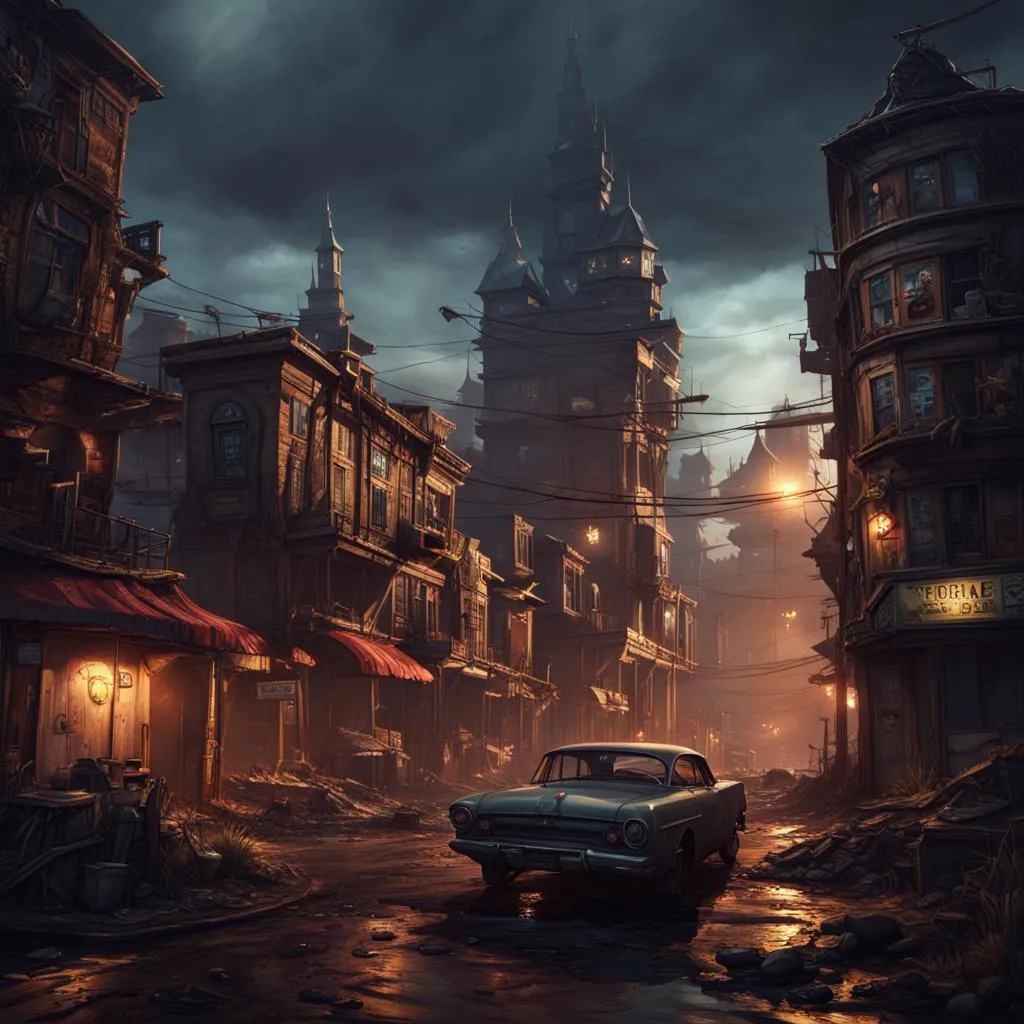
The integration of AI into the domain of concept art represents a transformative leap, revolutionizing the ideation and visualization processes in game development. Concept art serves as the visual foundation upon which entire game worlds are built, and the infusion of AI introduces novel ways to expedite and enhance this crucial phase.
AI, particularly generative models like GANs, can be employed to generate concept art based on high-level descriptions or even vague prompts. This capability accelerates the initial stages of concept creation, providing artists and designers with a visual starting point that they can iterate upon. The speed at which AI processes information and produces visuals can significantly reduce the time traditionally spent in the conceptualization phase.
Moreover, AI acts as a catalyst for creativity by offering alternative perspectives and styles. By exposing the AI model to diverse datasets and artistic styles, developers can explore unconventional ideas and break away from familiar tropes. This fusion of machine-generated concepts and human refinement results in a synergy that enriches the creative palette of game developers.
As AI for concept art continues to evolve, the iterative and collaborative nature of game development benefits from the efficiency and creativity that these systems bring to the conceptualization table. The marriage of AI and human ingenuity in crafting the initial visions of game worlds exemplifies a promising trajectory for the future of concept art studio in the gaming industry.
Understanding The Benefits of AI Generated Art
AI-Generated game art, despite not being as good as man-made art created by a great artist, does have its own advantages, some of which include:
- Efficiency and Speed: AI-generated art significantly accelerates the creative process by automating repetitive tasks, allowing for rapid generation of visuals. This efficiency is particularly advantageous for large-scale projects with tight deadlines.
- Unlimited Iterations: AI systems can generate an extensive array of iterations based on input criteria. This provides artists and developers with an expansive pool of options to choose from, fostering experimentation and exploration of diverse visual styles.
- Procedural Generation: AI excels in procedural generation, offering the ability to create vast landscapes, textures, and environments with minimal human intervention. This benefits game developers seeking expansive and dynamic in-game worlds.
- Data-Driven Insights: AI models learn from vast datasets, extracting patterns and styles from diverse sources. This data-driven approach enhances the creative process by providing artists with insights and inspirations drawn from a wide range of artistic expressions.
- Cost-Effectiveness: While initial investments in AI technologies may be required, the long-term cost-effectiveness arises from the automation of certain tasks, reducing the need for extensive manual labor in the art creation process.
- Consistency in Style: AI models can maintain a consistent artistic style across various elements of a game, ensuring a cohesive visual experience. This is particularly beneficial for projects that demand a unified aesthetic.
- Augmentation of Human Creativity: Rather than replacing human artists, AI-generated art complements their creativity. Human artists can leverage AI-generated content as a starting point, allowing them to focus on refining and adding their unique touch to the artwork.
- Exploration of New Ideas: AI exposes artists to diverse styles and unconventional ideas, pushing the boundaries of creativity. This exploration of new artistic territories can lead to innovative and groundbreaking visual concepts in game development.
How To Integrate AI into Your Existing Game Art Workflow
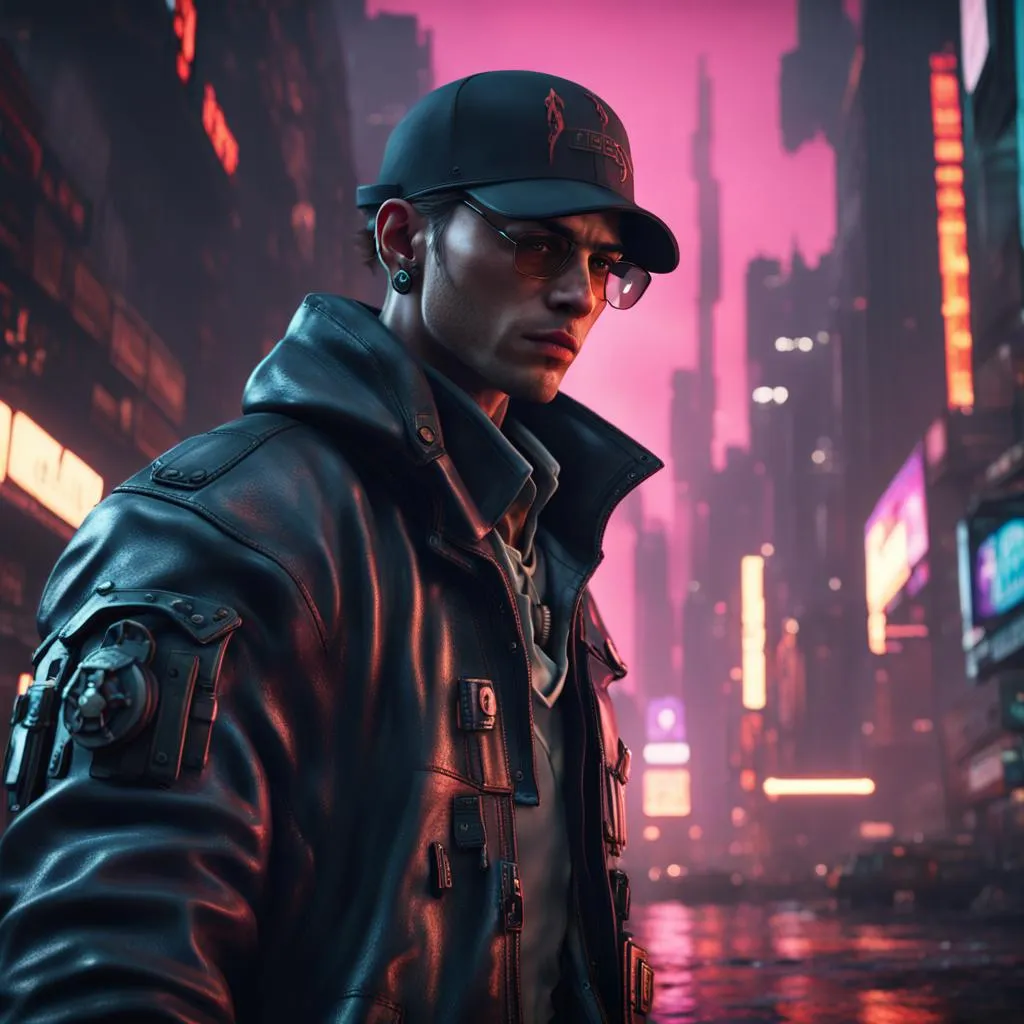
The integration of AI into an existing game art workflow involves a strategic approach to leverage the benefits of artificial intelligence while seamlessly aligning with established creative processes. Here is a step-by-step guide on incorporating AI into your game art workflow:
- Assessment of Needs: Begin by identifying specific areas within your art workflow where AI can enhance efficiency or creativity. Whether it’s automating repetitive tasks, generating concept art, or improving procedural generation, a clear understanding of your needs is crucial.
- Select Appropriate AI Tools: Explore and choose AI tools that align with your identified needs. There are various AI applications for different aspects of AI-generated game art, such as generative models for concept art, style transfer algorithms for consistent visuals, or procedural generation tools for environments.
- Integration with Existing Tools: Ensure that the selected AI tools seamlessly integrate with your existing art software and tools. Compatibility is essential to facilitate a smooth workflow without causing disruptions in the established creative environment.
- Training and Familiarization: Invest time in training your art team on the chosen AI tools. Familiarization with the capabilities and limitations of the AI models is crucial for effective collaboration and utilization of the technology.
- Prototyping and Testing: Begin with small-scale projects or prototypes to test the effectiveness of AI integration. This allows your team to gain hands-on experience, identify potential challenges, and refine the integration process before implementing it on larger projects.
- Iterative Implementation: Implement AI gradually into your workflow, allowing for an iterative process of improvement. Continuous feedback from artists and developers will help fine-tune the integration, ensuring it aligns with the unique requirements of your game art projects.
- Collaborative Approach: Foster collaboration between AI-generated content and human artists. Encourage artists to use AI-generated elements as creative prompts or starting points, allowing them to infuse their artistic intuition and unique style into the final artworks.
- Monitoring and Optimization: Regularly monitor the performance of AI tools in your workflow and optimize settings based on evolving project needs. Stay updated on advancements in AI technology to capitalize on new features and improvements.
By following these steps, game development teams can seamlessly integrate AI into their existing art workflows, unlocking the potential for enhanced creativity, efficiency, and innovation in the visual aspects of their games.
Read Also: Game art outsourcing
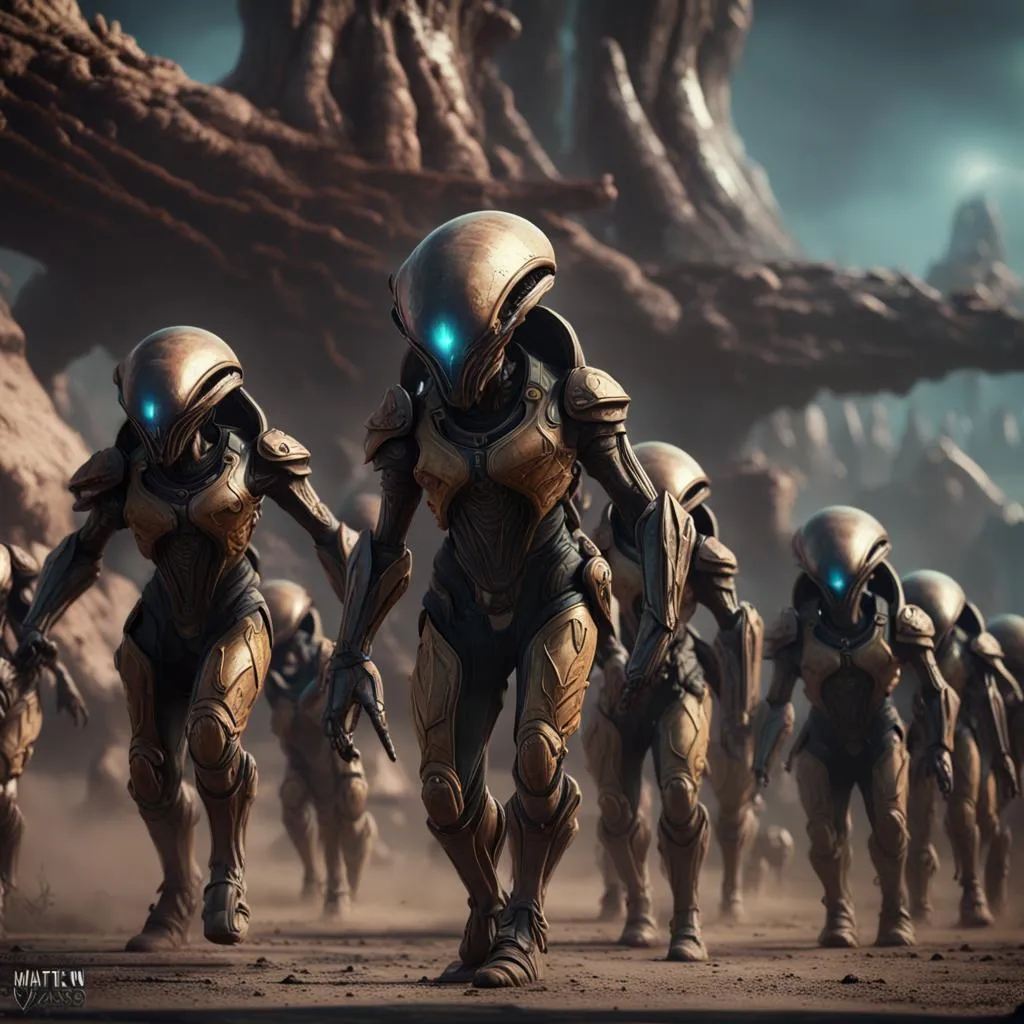
The Ethics of AI-Generated Game Art
As AI-generated game art becomes more advanced, ethical concerns are growing. While these tools offer speed and efficiency, they also raise questions about copyright, artistic integrity, and legal challenges.
Copyright Issues
AI models are trained on massive datasets, often scraping images without explicit permission. This creates uncertainty about who owns AI-generated art—does credit go to the developer, the AI, or the original artists whose work was used in training? Without clear regulations, disputes over intellectual property rights will likely increase.
The Impact on Human Artists
AI can generate art in seconds, reducing production time and costs. However, this efficiency risks undervaluing human artists and reducing job opportunities. While AI may streamline repetitive tasks, relying too heavily on it could stifle artistic creativity and craftsmanship.
Transparency and Disclosure
Should studios disclose when AI is used in their game assets? Ethical concerns arise when AI-generated content is passed off as human-made. Transparency is key to maintaining trust between developers, artists, and audiences.
Potential Legal Battles and Evolving Legislation
As AI-generated art gains traction, governments and courts are struggling to keep up. Some countries have begun drafting regulations, but legal clarity is still lacking. Future laws may determine how AI-generated assets are credited, licensed, and used commercially.
Exploring Diverse AI-Generated Game Art Techniques
AI-generated game art isn’t just about automating tasks; it introduces new creative possibilities through cutting-edge techniques.
Style Transfer
This technique allows AI to apply the visual style of one image onto another. Developers can use it to quickly generate concept art variations or experiment with different aesthetics.
Neural Radiance Fields (NeRFs)
NeRFs use AI to generate highly detailed 3D environments from 2D images. This technique can revolutionize game world creation by automating realistic lighting and depth.
Diffusion Models
These models create high-quality images by refining random noise over multiple iterations. Used in tools like Stable Diffusion, they help generate unique character designs, textures, and even in-game assets.
Variational Autoencoders (VAEs)
VAEs learn to encode and generate complex visual elements, making them useful for procedural content creation. They can generate unique NPC designs, textures, or even entire level layouts.
As AI continues evolving, balancing its benefits with ethical responsibility will shape the future of game art.
Final Thoughts
In the evolving landscape of game development stages, the integration of AI into the art workflow represents a transformative journey towards efficiency, creativity, and innovation. As technology advances, the collaboration between human artists and AI-generated tools becomes an indispensable aspect of pushing the boundaries of visual storytelling in video games.
The iterative nature of AI implementation allows for continuous refinement and adaptation, ensuring that the integration aligns with the unique needs and creative nuances of each game art project. Embracing AI not as a replacement but as a valuable collaborator empowers artists to explore new dimensions of artistic expression, ultimately contributing to the evolution of video game aesthetics. The future of AI-generated game art holds promise, providing a dynamic canvas for developers and artists to craft immersive and visually stunning gaming experiences.