

From enchanted forests to ancient ruins and fire-breathing dragons, fantasy games have long been a cornerstone of the video game industry. These immersive worlds allow players to escape into stories where magic is real, choices matter and destinies are forged. But among the hundreds of fantasy titles released over the decades, only a select few rise above the rest to become true icons of the genre. This article of Polydin Game art outsourcing Studio explores the best fantasy games of all time; games that have not only captivated millions but also set the standard for storytelling, world-building, and gameplay innovation.
Whether you’re a veteran adventurer or a newcomer to fantasy RPGs, these titles offer unforgettable experiences shaped by narrative depth, strategic combat and emotional resonance. From pixelated classics to modern open-world epics, the best fantasy games of all time continue to shape how we think about interactive storytelling and escapist adventure.
What Defines a Timeless Fantasy Game?
Not every fantasy title earns a lasting place in players’ memories. The best fantasy games of all time share a core set of qualities that go beyond visuals or popularity. They combine imaginative storytelling with innovative gameplay, all while leaving a cultural mark that endures for years.
ReadMore: Virtual Narratives | The Power of Storytelling in Games
Narrative Depth and Lore Complexity
A hallmark of great fantasy games is rich, layered storytelling. These games don’t just follow a plot; they build entire mythologies. From the political intrigue of Baldur’s Gate II to the tragic histories in The Witcher 3, timeless titles craft deep lore that rewards exploration and replays. Backstories, books, character arcs, and world events create a sense of living history. The result? Players don’t just play through a fantasy; they live in it.
Gameplay Innovation and Mechanics
Fantasy games aren’t all about swords and sorcery; they’re also about how you play. The best titles introduce mechanics that either redefine their genre or integrate deeply with the fantasy setting. Final Fantasy VII’s materia system, Elden Ring’s freedom-based progression, and Divinity: Original Sin II’s environment-driven combat are all prime examples. Innovation keeps gameplay fresh while enhancing the story’s themes.
Open World Design vs. Structured Story
Fantasy games span a spectrum: from tightly directed narratives to vast open worlds. While structured stories offer cinematic pacing (Ocarina of Time), open worlds like Skyrim let players shape their journey. What matters most is how the game balances freedom with coherence. Does the world respond to the player’s actions? Is exploration meaningful? Whether linear or nonlinear, a timeless game builds its world around player curiosity and agency.
Cultural Influence and Legacy
The best fantasy games of all time aren’t just beloved; they’re influential. They inspire future games, fan art, cosplay, novels, and even academic study. World of Warcraft shaped a generation of MMOs. The Legend of Zelda became a design template. Legacy isn’t just about sales; it’s about how deeply a game lodges itself into gaming history and culture, becoming a shared point of reference across time and communities.
The Classics That Shaped the Genre
Before open worlds and photorealistic graphics, these foundational titles laid the groundwork for what fantasy games could be. They introduced iconic mechanics, unforgettable stories and imaginative worlds that still influence game design today.
The Legend of Zelda: Ocarina of Time
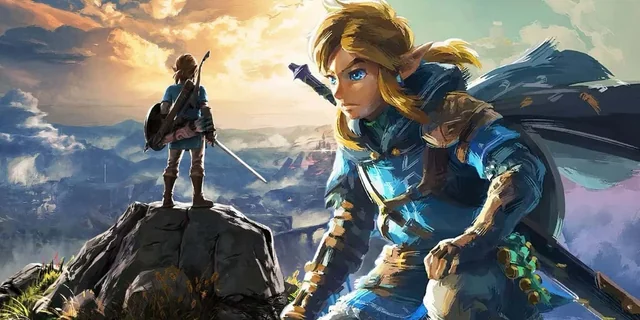
When Nintendo released Ocarina of Time in 1998, it instantly redefined what a 3D action‑adventure could be. Its lock‑on targeting system, cinematic camera work and seamless blend of exploration and puzzle‑solving became a blueprint for countless titles that followed. Beyond its technical achievements, the game offered an emotionally resonant coming‑of‑age story, memorable dungeons and an overworld that felt vast and alive. Decades later, it remains a common touchstone whenever players debate the best fantasy games of all time.
Final Fantasy VII
Square’s first fully 3D Final Fantasy stunned audiences with pre‑rendered backdrops, sweeping cut‑scenes, and a sprawling cyber‑fantasy narrative. The materia system let players customize characters in unprecedented ways, while themes of identity, ecological collapse and sacrifice gave the story surprising depth. Final Fantasy VII proved that a console RPG could achieve blockbuster status worldwide, influencing everything from storytelling techniques to the rise of character‑driven merchandising.
Secret of Mana
Secret of Mana brought real‑time, party‑based combat to the 16‑bit era, allowing up to three players to fight side by side. Its innovative ring‑menu system kept the action flowing while offering quick access to spells and items. The lush pixel art gamnes, haunting soundtrack, and bittersweet narrative showed that action RPGs could balance speed with emotional storytelling. Many of today’s cooperative fantasy titles still owe a debt to its design choices.
Baldur’s Gate II
BioWare’s landmark CRPG translated the depth of Dungeons & Dragons into an expansive digital realm. Featuring branching quests, tactical pausing and party banter that felt genuinely alive, Baldur’s Gate II set new standards for player agency and narrative complexity.
Its richly written companions and morally gray choices invited multiple playthroughs, while the Infinity Engine allowed for intricate combat scenarios. The game’s influence is evident in modern classics like Divinity: Original Sin II and Pillars of Eternity, cementing its place among the best fantasy games of all time.
Read Also: 3D Character Design | Everything You Need to Know
Epic Open World Fantasy Titles
Open-world fantasy games invite players to roam vast landscapes, forge their own paths, and uncover secrets at their own pace. These games offer freedom, depth, and world-building on a scale that defines the modern RPG experience.
The Elder Scrolls V: Skyrim
Few games have achieved the cultural saturation of Skyrim. Its massive, mod-friendly world lets players ignore the main quest entirely and still sink hundreds of hours into exploration, crafting and discovery.
With its radiant AI system, dynamic weather, and sweeping orchestral score, Skyrim created a fantasy sandbox where freedom is paramount. Whether slaying dragons, joining secret guilds or simply wandering the tundra, players shape their own mythic experience, making it one of the most replayed and celebrated fantasy games of all time.
The Witcher 3: Wild Hunt
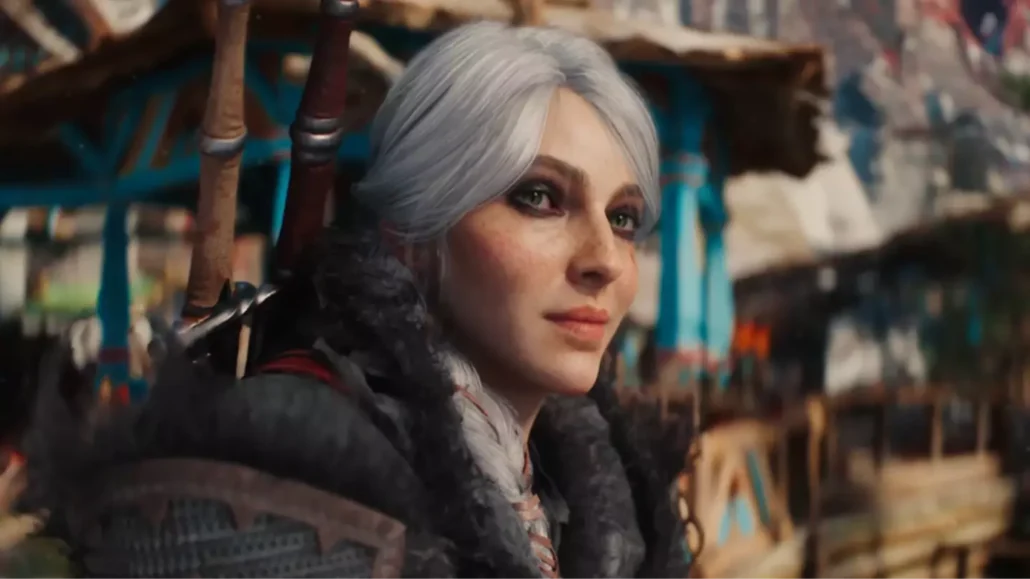
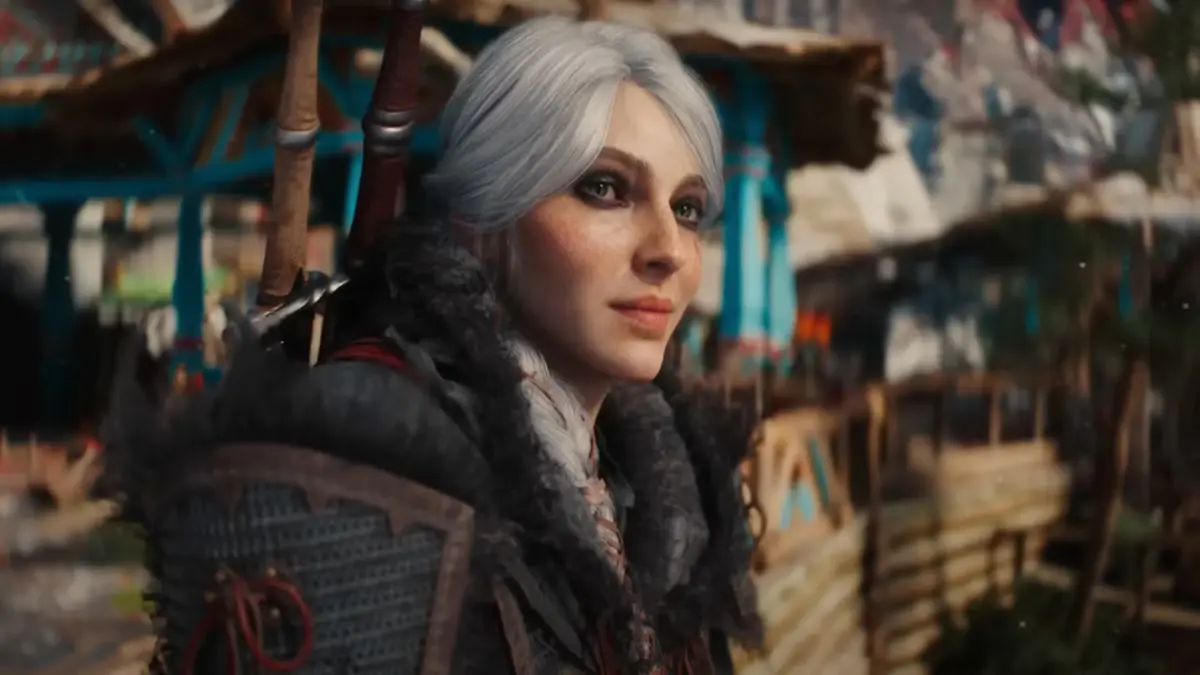
CD Projekt Red’s masterpiece merged open-world design with narrative excellence. The Witcher 3 offers a dark, morally complex world drawn from Slavic folklore, filled with rich side quests and grounded character arcs.
Geralt of Rivia’s story is personal and epic at once and decisions carry weight across the game’s three massive regions. The attention to detail—from weather patterns to monster behavior—sets a gold standard for immersive fantasy. More than just a game, it’s a world that feels lived in and unforgettable.
Elden Ring
Elden Ring took FromSoftware’s unforgiving gameplay and married it to an open world teeming with mystery, danger, and player-driven discovery. Co-created with George R. R. Martin, its lore is fragmented yet evocative, inviting interpretation rather than exposition.
Players uncover the story by engaging with the world; through combat, exploration, and environmental storytelling. With minimal hand-holding, Elden Ring trusts its audience and rewards curiosity, making it a bold evolution of the fantasy genre and a defining experience in modern gaming.
Read Also: 3D Environment Design – a Complete Guide | Polydin Studio
Modern Masterpieces in Fantasy Gaming
While the classics built the foundation, these modern titles refined it. With cutting-edge design, narrative sophistication, and bold gameplay innovations, these games represent the peak of what fantasy gaming can be today.
Divinity: Original Sin II
Larian Studios’ Divinity: Original Sin II is a triumph of tactical depth and player freedom. Set in the richly layered world of Rivellon, the game allows players to choose from custom or origin characters, each with unique backstories that affect the plot. Combat is fully turn-based, with a deep elemental interaction system that encourages creative problem-solving. Whether you’re electrifying a puddle or teleporting enemies into hazards, the game rewards experimentation. Its branching narratives, fully voiced dialogue, and co-op support elevate it from classic RPG to modern masterpiece.
Pillars of Eternity
Obsidian Entertainment’s Pillars of Eternity was a love letter to classic CRPGs like Baldur’s Gate, but with updated visuals, voice acting, and a deeply philosophical story. Set in the world of Eora, where souls and memory shape identity, the game weaves complex lore into every quest and conversation. Tactical combat, rich world-building, and a robust party system provide a deep role-playing experience. It’s a standout example of how the old-school RPG formula can be modernized without losing its soul.
Dark Souls Series
While not traditional fantasy in tone, the Dark Souls series has carved out its own niche with bleak, cryptic storytelling and punishing difficulty. Its worlds are hauntingly beautiful; decaying kingdoms filled with tragic figures and forgotten gods. Rather than relying on cutscenes or exposition, Dark Souls communicates its lore through item descriptions, level design and subtle environmental cues. Its gameplay, defined by stamina-based combat and brutal boss fights, demands mastery and patience. This mixture of mystery, challenge, and atmosphere makes it one of the most influential fantasy series of the 21st century.
Read more :Exploring the Controversy Around Dark Souls Easy Mode
Top Fantasy MMOs and Live Service Games
Fantasy MMOs and live service games thrive on community, cooperation and ongoing evolution. These titles offer expansive worlds that grow over time, with rich lore and shared adventures that keep players coming back for more.
Final Fantasy XIV
Final Fantasy XIV is a rare redemption story in gaming. After a rocky launch in 2010, the game was rebuilt from the ground up as A Realm Reborn, and has since become one of the most beloved MMOs of all time. Its story-driven expansions rival single-player RPGs in emotional weight and world-building. With deep character customization, massive raids, crafting systems, and a vibrant player community, FFXIV blends traditional fantasy with modern accessibility. It stands as proof that a live service game can deliver both consistency and artistic ambition.
World of Warcraft
Blizzard’s World of Warcraft changed the fantasy gaming landscape when it launched in 2004, and its influence is still felt today. At its peak, it redefined what an MMO could be, inviting players into a living, breathing world filled with quests, dungeons, and large-scale wars. With its stylized visuals, accessible gameplay, and rich lore built on the Warcraft franchise, WoW became the standard by which all other fantasy MMOs are measured. Even after two decades, it remains a cornerstone of online fantasy worlds.
Diablo IV
While Diablo IV straddles the line between ARPG and MMO, its shared-world structure, dark gothic tone, and constant seasonal updates place it firmly in the live service realm. Set in the cursed world of Sanctuary, the game delivers fast-paced combat, skill-based builds, and a moody, mature take on high fantasy. Its blend of solo play, co-op dungeons, and world events offers a flexible experience for both casual and hardcore players. With ongoing support and expansions, Diablo IV is carving its own path among the best modern fantasy games.
Read Also: How to have a good environment concept art portfolio