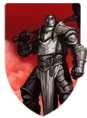
Concept ArtStudio
Characters are the heart and souls of any unforgettable story, and we bring them to life in any style, having that in mind.
- Character concept
- Skin and outfit
At every stage of shaping your project’s creatures, from the first sketches to the final design, we remain committed to your vision.
Environment concept art is the stage where the story unfolds. It doesn’t matter where it is set, a gloomy village or a mysterious underwater world. What truly matters is the atmosphere and tone that our artists can bring to these settings.
- Keyframes and atmospherics
- Level art
We design objects and props based on your shape language and art direction.
• Weapon design
• Vehicle design
• Hard surface design
• Furniture design
We specialize in creating intricate illustrations for a variety of purposes.
- Card illustration
- Table-top games illustration
- Avatar and icon illustration
Unlock the potential of your story through storyboard and motion comics – a winning combination for an effective communication.
consistency is a key to a memorable experience. We can help you develop a visual language for your project to keep your project and game consistent in all aspects.


Various Styles
We can come up with any art styles and themes thanks to the diverse skillset of our artists in our concept art studio.
Art Direction
Every project receives in-house art direction to keep the quality align with the vision of our clients at every stage of production.
Indie-Friendly Rates
Innovation is one of our core principals. So we do our best to come up with efficient solutions to keep your costs within your budget.



FAQs
Concept art in gaming involves designing and visualizing the intended look, tone, and style of a game prior to its development phase. It actually serves as a blueprint for the look and feel of the game and helps guide the production of finished artwork such as illustrations or 3D models.
At our concept art studio, our skilled artists will first collaborate with you to understand your vision. With their creativity and artistic tools, they then transform your ideas into stunning visual representations. In Polydin game art studio, we will keep you updated on our progress throughout the production process. We value your feedback and are committed to implementing it at any stage of development to ensure your satisfaction.
Concept art is a crucial part of game development as it helps in visualizing game design, setting the mood and style, character design and world-building, and marketing and promotion. Without concept art, it would be difficult for game developers to create a visually stunning and immersive game experience.
Concept art is utilized by various professionals and industries that involve visual storytelling, design, and creativity, like:
Game developers: Game developers use concept art to visualize characters, environments, props, and other elements of their games. It helps them establish the visual direction, mood, and overall aesthetics of the game.
Film and animation studios: Concept art plays a vital role in the pre-production phase of films and animations. It helps directors, production designers, and visual effects artists visualize the look and feel of the movie or animation before actual production begins.
Advertising and marketing agencies: Concept art is often used in advertising campaigns to convey ideas, create visual representations of products or concepts, and inspire creative direction for commercials, print ads, and digital marketing.
Illustrators and comic artists: Concept art serves as a starting point for illustrators and comic artists, helping them bring their ideas to life and establish the visual style and narrative of their work.
Industrial designers: Industrial designers use concept art to explore and communicate design concepts for products, vehicles, architecture, and other physical objects.
Theme park and amusement park designers: Concept art is employed in the early stages of designing theme park attractions, rides, and immersive experiences. It helps imagine and visualize the intended guest experience.
Concept art studios and freelancers can help these professionals and industries achieve what they need.
While both concept art and illustration involve creating visual art, concept art is focused on developing new ideas and exploring visual concepts, while illustration is focused on supporting and enhancing written or spoken communication.
To find a proper concept art studio, start by researching online and checking their portfolios. Ask for referrals from friends. After choosing one, contact the studio and ask questions about their process, timeline, and pricing. A good studio should be able to communicate effectively and be transparent with their clients. Choose a Digital art outsourcing studio that is willing to collaborate with you throughout the process. They should be open to feedback and be able to provide solutions to any issues that may arise.
Yes, 3D can be considered as concept art. Traditionally, concept art was primarily created in 2D using traditional mediums or digital painting software. However, with advancements in technology and the rise of 3D modeling and rendering tools, concept art can now also be created in a three-dimensional format.
In the context of 3D concept art, artists use 3D modeling software to create virtual representations of characters, environments, props, and other elements of a project. These 3D models can be explored from different angles and provide a more realistic and detailed representation of the final design.
3D concept art allows for a more immersive and accurate visualization of the intended vision, especially in industries such as video games and film production where three-dimensional assets are crucial. It helps artists, designers, and creative teams to refine and iterate on the design, explore different lighting scenarios, and test out ideas in a more dynamic way.
So, while traditional 2D concept art remains prevalent, 3D concept art has gained significance and has become an integral part of the concept art process in many industries.
The time it takes to receive concept art deliverables can vary depending on several factors, including the complexity of the project, the scope of work, the number of revisions required, and the efficiency of the communication between the client and the concept artist.
In general, the turnaround time for concept art services can range from a few days to a few weeks. For simpler concepts or single illustrations, it may take a shorter time, such as a few days. However, for more complex or detailed concepts, or projects that require multiple iterations and revisions, it may take several weeks to finalize the deliverables.
The timeline also depends on the availability and workload of the concept artist or studio. If they have a busy schedule or multiple ongoing projects, it may affect the delivery time.
To ensure a smooth and efficient process, it's important for the client and the concept artist to have clear and detailed discussions about the project requirements, objectives, and deadlines. Providing comprehensive briefs, reference materials, and timely feedback can help expedite the concept art process.
Yes, concept art services can indeed assist with art direction and visual development. Art direction involves establishing the overall artistic vision and style of a project, while visual development focuses on exploring and refining the visual aspects of a concept.
Concept artists play a crucial role in shaping the art direction and visual development of a project. They work closely with art directors, creative directors, or project leads to understand the project's goals, themes, and desired aesthetic. Based on this information, concept artists create visual representations and explore different design ideas, styles, and moods.
Through their expertise in composition, color theory, form, and storytelling, concept artists contribute to the development of key visual elements such as characters, environments, props, and overall visual motifs. They may create sketches, mood boards, color studies, and detailed illustrations to communicate their ideas and provide a visual reference for the art direction.
Concept art services can provide valuable support in guiding the visual direction of a project, ensuring a cohesive and compelling visual narrative. They assist in establishing the desired mood, tone, and atmosphere of a project, helping to define its unique artistic identity.
By collaborating with concept artists, art directors and project leads can benefit from their creative insights, artistic expertise, and ability to translate ideas into visually striking images. The concept art services can aid in setting the artistic guidelines, informing the production pipeline, and aligning the creative team's vision.
A concept artist is responsible for visually conceptualizing and illustrating the initial ideas and designs for characters, environments, and objects within a project. Their work sets the visual direction and serves as a foundation for the project's aesthetics.
On the other hand, a designer focuses on crafting the functional aspects, mechanics, and user experience of a project. They determine how players or users will interact with the elements created by concept artists, ensuring engaging and balanced gameplay or user engagement.
To become a concept artist, cultivate strong artistic skills by practicing drawing and painting regularly. Develop proficiency in digital art tools like Photoshop and industry-specific software. Study fundamental art principles such as anatomy, perspective, and color theory to create compelling and realistic concepts.
Build a diverse portfolio showcasing your versatility in designing characters, environments, and objects. Attend art school or take online courses to refine your skills and gain insights from experienced professionals. Network with other artists and attend industry events to stay updated on trends and opportunities.
Internships or freelance projects can provide valuable experience and help you establish a presence in the industry. Seek feedback on your work and continuously improve based on critiques. Adaptability is crucial, so stay open to learning new techniques and styles.
Finally, try to create an online presence through a website or social media to showcase your portfolio and attract potential clients or employers. Engage with the artistic community, share your work, and participate in online challenges or contests to gain exposure.
Remember, being patient and persistent is very important!
Interpreting Ambiguous Descriptions: Concept artists often work with briefs or descriptions that may be vague or open to interpretation. Translating abstract ideas into visual representations requires a high level of creativity and the ability to understand and interpret sometimes ambiguous or evolving concepts.
Meeting Client Expectations: Concept artists often work closely with clients or art directors, and aligning the artistic vision with client expectations can be challenging. Balancing personal creativity with fulfilling the client's specific requirements and preferences is a delicate task that requires effective communication and flexibility.
Time Constraints and Deadlines: Concept art is frequently created under tight deadlines, especially in industries like game development or film production where pre-production schedules are demanding. Managing time efficiently while maintaining artistic quality is an ongoing challenge for concept artists.
terative Design Process: Concept art often involves multiple iterations and revisions based on feedback. Embracing a fluid design process while continuously refining ideas can be mentally taxing. Adapting to feedback and making necessary adjustments without compromising the essence of the concept is a persistent challenge.
Technological Advancements: As technology evolves, concept artists may need to adapt to new tools and techniques. While these advancements can enhance the creative process, staying updated and integrating new technologies into one's workflow can pose a challenge, particularly for artists who are not as familiar with digital tools.
Collaboration and Communication: Collaboration is often integral to concept art creation, requiring effective communication with other team members such as 3D modelers, animators, or level designers. Ensuring that the concept translates well across different stages of production and aligns with the overall project vision is a constant challenge.
The Importance of Concept Art Studios
Concept art studios serve as foundational pillars in various creative industries, offering a space where ideas are conceptualized and visualized. They play a pivotal role in establishing the visual direction of projects, contributing to the development of aesthetics, themes, and narrative elements. Concept art studios provide essential support in the pre-production phase, helping to refine and solidify creative concepts before they are implemented.
The Role of Concept Art in Different Media
Concept art plays a crucial role in shaping the visual identity of creative projects across various industries. Whether it’s crafting the fantastical worlds of a video game, visualizing characters for an animated series, or designing sets for a blockbuster film, concept art serves as the bridge between imagination and production. By giving form to ideas during the pre-production phase, concept art ensures that a unified vision guides the entire project.
The Role of Concept Art in Video Games
In video game development stages, concept art serves as a blueprint for the game’s visual elements, including characters, environments, props, and more. It aids developers in envisioning and iterating upon the visual aspects of their games, shaping the overall look and feel. Concept art is crucial for establishing the art direction, guiding video game level design, and ensuring consistency in the game’s visual identity.
How You Can Access Concept Art Services
Studios and developers have several pathways to obtain concept art, each with its own advantages depending on project size, budget, and workflow needs. The three most common approaches are outsourcing studios, freelance artists, and in-house support.
Challenges Faced by Concept Art Studios
Amidst their creative endeavors, concept art studios encounter a range of challenges that shape their workflow and output.
- Tight Deadlines: Concept art studios often operate under tight schedules, requiring artists to produce high-quality work within limited timeframes. Meeting project milestones and deadlines while maintaining artistic standards can be demanding.
- Evolving Project Requirements: Projects in concept art studios may undergo frequent revisions and shifts in direction, leading to uncertainty and adaptation challenges for artists. Flexibility and the ability to pivot quickly are essential skills in such environments.
- Balancing Creativity with Practicality: Artists must strike a delicate balance between artistic vision and practical considerations such as technical feasibility, budget constraints, and client preferences. Finding this equilibrium can be challenging, particularly when navigating conflicting demands.
- Client Expectations: Meeting or surpassing client expectations while staying true to artistic integrity can be a significant challenge for concept art studios. Aligning creative visions and managing feedback effectively are crucial for successful collaborations.
- Staying Ahead of Trends: Keeping abreast of industry trends, technological advancements, and evolving aesthetic preferences is essential for concept art studios to remain competitive. Continuous learning and skill development are necessary to stay relevant in a rapidly evolving landscape
What game has the best concept art?
Determining the game with the “best” concept art is subjective and can vary based on individual preferences, artistic styles, and aesthetic sensibilities. However, several games are widely acclaimed for their exceptional concept art, which has contributed to the overall visual experience and immersion of the game. Some notable examples include:
- “Journey”: “Journey,” developed by that game company, is celebrated for its breathtaking concept art, which captures the ethereal beauty and sense of wonder of the game’s desert landscapes and ancient ruins. The concept art, created by artist Matt Nava, sets the tone and atmosphere for the game, conveying a sense of loneliness, discovery, and transcendence.
- “The Legend of Zelda: Breath of the Wild”: “Breath of the Wild,” developed by Nintendo, features stunning concept art that showcases the game’s vast open world, diverse environments, and iconic characters. The concept art, created by a team of talented artists, captures the sense of adventure, exploration, and mystery that defines the Zelda series.
- “Okami”: “Okami,” developed by Clover Studio and published by Capcom, is renowned for its distinctive art style inspired by Japanese sumi-e ink painting and ukiyo-e woodblock prints. The game’s concept art, created by artist Kenichiro Yoshimura, brings the world of ancient Japan to life with its vibrant colors, dynamic compositions, and whimsical characters.
- “Bioshock Infinite”: “Bioshock Infinite,” developed by Irrational Games, features immersive concept art that captures the atmospheric and architectural richness of the game’s floating city of Columbia. The concept art, created by artist Ben Lo, showcases the game’s unique blend of steampunk aesthetics, retro-futuristic design, and fantastical world-building.
- “The Witcher 3: Wild Hunt”: “The Witcher 3,” developed by CD Projekt Red, boasts stunning concept art that brings the dark and gritty world of the Witcher universe to life. The concept art, created by a team of talented artists, showcases the game’s richly detailed environments, intricate character designs, and atmospheric lighting, enhancing the immersive experience of the game.
The Benefits of Hiring a Concept Art Studio
There are many benefits to hiring a concept art studio, some of which include:
- Professional Expertise: Hiring a concept art studio provides access to a team of professional artists with specialized skills and extensive experience. These experts understand industry standards and can bring high-quality, innovative designs to your project. Their expertise ensures that the art aligns with the project’s vision and enhances the overall quality.
- Time Efficiency: Concept art studios have streamlined workflows and collaborative processes that can significantly reduce the time required to produce high-quality art. By leveraging their experience and resources, studios can quickly iterate on designs, allowing for faster project progression and timely delivery.
- Creative Diversity: Studios often house a diverse group of artists with varying styles and creative perspectives. This diversity allows for a broader range of ideas and concepts, enriching the creative process and resulting in unique, compelling art that stands out.
- Consistent Quality: With dedicated quality control processes, concept art studios maintain a high standard of work. This consistency is crucial for projects that require a cohesive visual style throughout, ensuring that all art assets align with the project’s overall aesthetic.
- Access to Advanced Tools and Technology: Concept art studios invest in the latest tools and software, which can be expensive for individual artists or smaller teams. By hiring a studio, you gain access to cutting-edge technology and techniques without the need for significant investment in hardware and software.
Traditional vs. Digital Tools in Concept Art
Let’s compare and contrast traditional vs. digital tools in concept art:
Traditional Tools
- Pencils, Charcoal, and Ink: Traditional drawing tools allow for direct, tactile interaction with the medium. Artists often use these for initial sketches and detailed line work.
- Paints (Watercolor, Oil, Acrylic): These mediums provide a wide range of textures and colors, offering a different depth and richness compared to digital methods.
- Paper and Canvas: Different types of paper and canvas can influence the final look of the artwork, offering various textures and qualities.
Advantages:
- Tactile Feedback: The physical sensation of drawing or painting can enhance the creative process.
- Unique Textures and Effects: Traditional tools can produce effects and textures that are difficult to replicate digitally.
- Original Artworks: Traditional methods result in original physical pieces, which can be valuable as collectibles.
Disadvantages:
- Time-Consuming: Traditional methods can be slower, particularly for revisions and corrections.
- Resource-Intensive: Requires physical materials, which can be costly and less environmentally friendly.
Digital Tools
- Software (Photoshop, Illustrator, Procreate): Digital software offers powerful tools for drawing, painting, and editing. Artists can easily experiment with different styles and effects.
- Graphics Tablets and Pen Displays: Devices like Wacom tablets and iPads with styluses provide precise control and a natural drawing experience.
- 3D Modeling Software (Blender, Maya): These tools allow artists to create and manipulate three-dimensional forms, adding depth and realism to their concepts.
Advantages:
- Efficiency: Digital tools streamline the process, making it easier to experiment and make revisions.
- Versatility: Wide range of tools and effects that can be customized and layered.
- Ease of Distribution: Digital files can be easily shared, modified, and backed up.
Disadvantages:
- Learning Curve: Digital tools can be complex and require time to master.
- Lack of Physical Original: Digital art does not result in a tangible original piece unless printed.
How Concept Art Services Bridge the Gap Between Creative Vision and Execution
Concept art acts as the crucial bridge between abstract creative ideas and their physical realization. While a director or producer may have a vision, it often requires concrete visuals to guide the production process. Concept artists translate these ideas into detailed imagery that communicates scale, style, color palettes, and mood, providing all departments with clear visual references. This ensures that the creative vision is maintained throughout production, from set design to visual effects. Whether for film, video games, or animation, concept art keeps the project on track, ensuring that the final execution matches the original creative intent. By making abstract concepts concrete, concept art services play an essential role in ensuring consistency, cohesion, and quality in the final product.
The Future of Concept Art
The future of concept art can be summarized as such:
- Integration of AI and Machine Learning: Artificial Intelligence (AI) and machine learning are increasingly being integrated into the concept art process. These technologies can assist with generating initial ideas, refining details, and automating repetitive tasks, allowing artists to focus more on creative aspects. AI tools can also analyze and predict trends, helping artists create more market-relevant designs.
- Virtual and Augmented Reality: Virtual Reality (VR) and Augmented Reality (AR) are transforming how concept art is created and experienced. Artists can now work in 3D environment design, providing a more immersive and interactive way to develop and visualize concepts. This shift enhances spatial awareness and allows for more dynamic and realistic designs.
- Collaborative Online Platforms: The rise of collaborative online platforms is making it easier for artists to work together remotely. These platforms facilitate real-time collaboration, feedback, and sharing of resources, fostering a more interconnected and efficient creative process. This trend is particularly relevant in a post-pandemic world where remote work has become more common.
- Emphasis on Sustainability; Sustainability is becoming a crucial consideration in all industries, including concept art. There is a growing emphasis on eco-friendly practices, such as using digital tools to reduce paper waste and designing concepts that promote sustainability. This trend reflects a broader industry shift towards more responsible and ethical practices.
Top Qualities to Look for in Concept Art Companies
Concept art companies play a crucial role in shaping the creative vision of projects, especially for indie game developers striving to bring unique worlds to life. Here’s what makes a great concept art company and why they’re indispensable for indie studios:
Collaborative Capabilities
A great concept art company prioritizes collaboration, working closely with clients to refine ideas and adapt to feedback. Effective communication ensures that the final designs align seamlessly with the client’s vision.
Technological Edge
The use of cutting-edge tools and technologies, such as 3D rendering software and digital sculpting tools, showcases a company’s ability to deliver high-quality and innovative artwork suited for modern game development.
Specialization and Portfolio Diversity
A versatile portfolio demonstrates expertise across various styles and genres, from fantasy to sci-fi. Companies with specialized skills in character design, environment art, or props can address the specific needs of diverse projects.
Client-Centric Approach
Transparent processes, timely communication, and a commitment to meeting deadlines reflect a client-first philosophy. This approach ensures that your project progresses smoothly without compromising quality.
Scalability and Flexibility
The ability to adapt to evolving project needs is invaluable. Whether scaling up teams or revising workflows, a flexible company can tackle challenges without disrupting the creative vision.
The Role of Concept Art Companies in Indie Game Development
Indie game developers often face resource constraints, making concept art companies critical partners in turning ideas into reality. These companies bring professional expertise that helps indie teams punch above their weight by delivering visuals that rival major studios.
Concept art companies assist with:
- Visualizing Core Concepts: From characters to environments, they craft the foundation for a game’s aesthetic.
- Enhancing Game Pitches: High-quality concept art makes pitches to publishers or crowdfunding campaigns more compelling.
- Saving Time and Resources: Outsourcing art allows indie developers to focus on other aspects, like programming or narrative design.
- Ensuring Cohesion: A skilled concept art team ensures that the game’s visual elements remain consistent and immersive throughout development.
By collaborating with the right concept art company, indie developers gain access to industry-level quality and creativity, bridging the gap between ambitious ideas and practical execution.
Read Also: Game Outsourcing Studio
The Role of Art Director in a Concept Art Studio
An art director in a concept art studio is the driving force behind a project’s visual identity. They set the artistic vision, ensure consistency, and guide the team to create compelling, high-quality designs.
Their role begins with defining the game’s look; choosing color palettes, lighting, and composition to match the desired atmosphere. They work closely with designers and producers to ensure the art aligns with the overall game direction. But beyond creativity, they also handle problem-solving, refining assets to fit technical constraints while maintaining artistic integrity.
A key part of their job is giving feedback, balancing artistic expression with production needs. They bridge the gap between artists and other departments, ensuring that concept art remains a functional guide for the 3D, animation, and VFX teams.
At its core, an art director’s role is about leadership. Their ability to inspire, direct, and maintain visual coherence turns scattered ideas into a unified, immersive world.
Concept Art Studio Financials and Profitability
A concept art studio’s profitability depends on efficiency, strong client relationships, and smart cost management.
Most revenue comes from outsourcing work for game developers, animation studios, and film productions. While AAA projects offer higher budgets, indie collaborations provide creative flexibility and long-term partnerships.
Payroll is the biggest expense, making team scalability crucial. Balancing permanent staff with freelancers helps manage workload fluctuations. Delivering high-quality work on time builds a strong reputation, leading to repeat clients and referrals.
Diversification also boosts profitability. Offering additional services like storyboarding, promotional art, or consulting expands revenue streams. Some studios even monetize original IPs through digital assets, art books, or licensing deals.
Success in concept art is not just about creativity. It is about making smart business choices that keep both artists and the studio thriving.
Storyboarding vs. Concept Art: Defining the Differences and Synergies
Storyboarding and concept art both help shape a project’s visuals, but they serve different purposes. Understanding their distinctions and how they complement each other ensures smoother production.
Purpose and Focus
Concept art establishes the visual foundation of a project, defining characters, environments, and props. It helps the team understand the style and mood before production begins. Storyboarding, on the other hand, is about sequencing. It lays out how a scene unfolds, focusing on movement, camera angles, and composition.
Level of Detail
Concept art is usually highly detailed, showcasing textures, lighting, and intricate design work. Storyboards, however, focus on clarity over detail, using simplified sketches to convey motion and framing.
Time Investment
Concept art often takes longer to refine since it sets the visual identity. Storyboarding is faster and more iterative, allowing for quick adjustments to match evolving narratives.
Deliverables
Concept artists deliver polished images that guide 3D modelers and texture artists. Storyboard artists create sequential panels that serve as a blueprint for animation, cinematics, or gameplay sequences.
Client/Team Interaction
Concept artists work closely with art directors and game designers, ensuring their visuals align with the overall vision. Storyboard artists collaborate more with animators, cinematics teams, and directors to ensure smooth storytelling.
Sequential Art vs. Design Visualization
Storyboarding is about storytelling through sequential images, mapping out how action flows. Concept art is about world-building, visualizing the game’s atmosphere and style before production begins. Together, they ensure a game is both visually rich and narratively compelling.
How to Evaluate a Concept Art Outsourcing Studio
Reviewing Portfolios
This helps you assess their artistic style, versatility, and experience across genres. Focus on consistency, attention to detail, and projects that align with your creative direction.
Asking the Right Questions Before Signing a Contract
Clarify timelines, revision policies, intellectual property rights, and communication practices before committing. This ensures expectations are aligned and reduces future misunderstandings.
Client Testimonials and Case Studies as Trust Indicators
Verified testimonials and detailed case studies provide valuable context about the studio’s process, reliability, and results. They serve as social proof and help gauge how the studio handles real-world challenges.