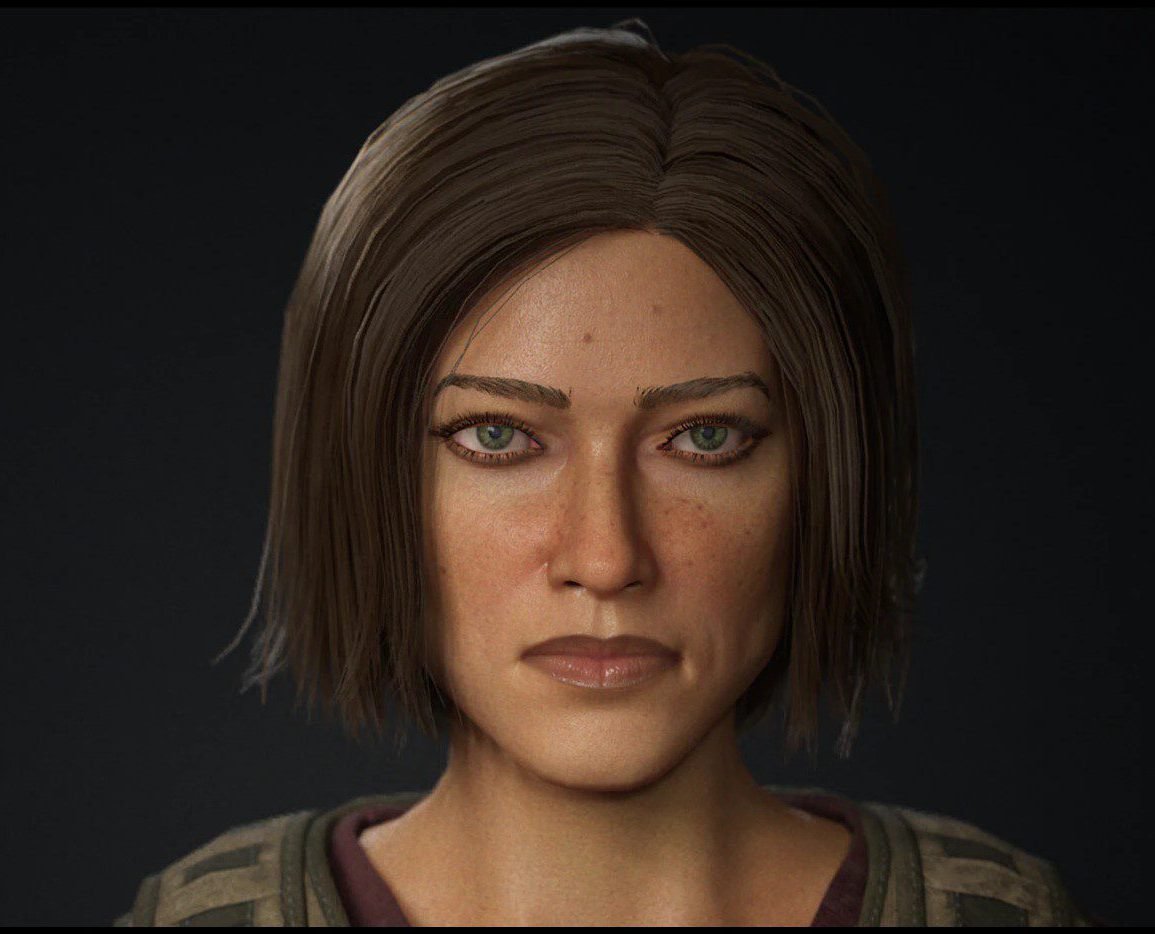
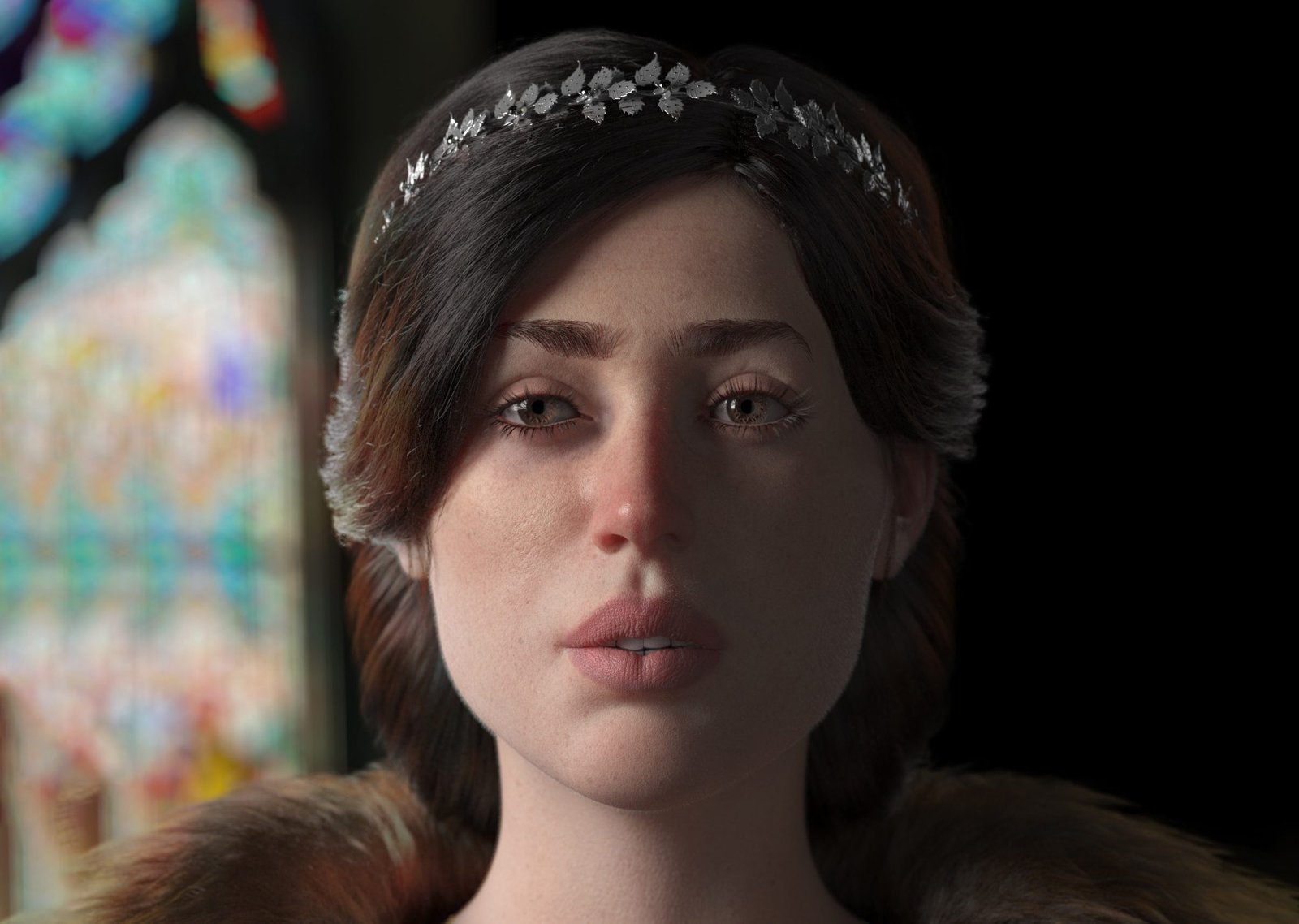
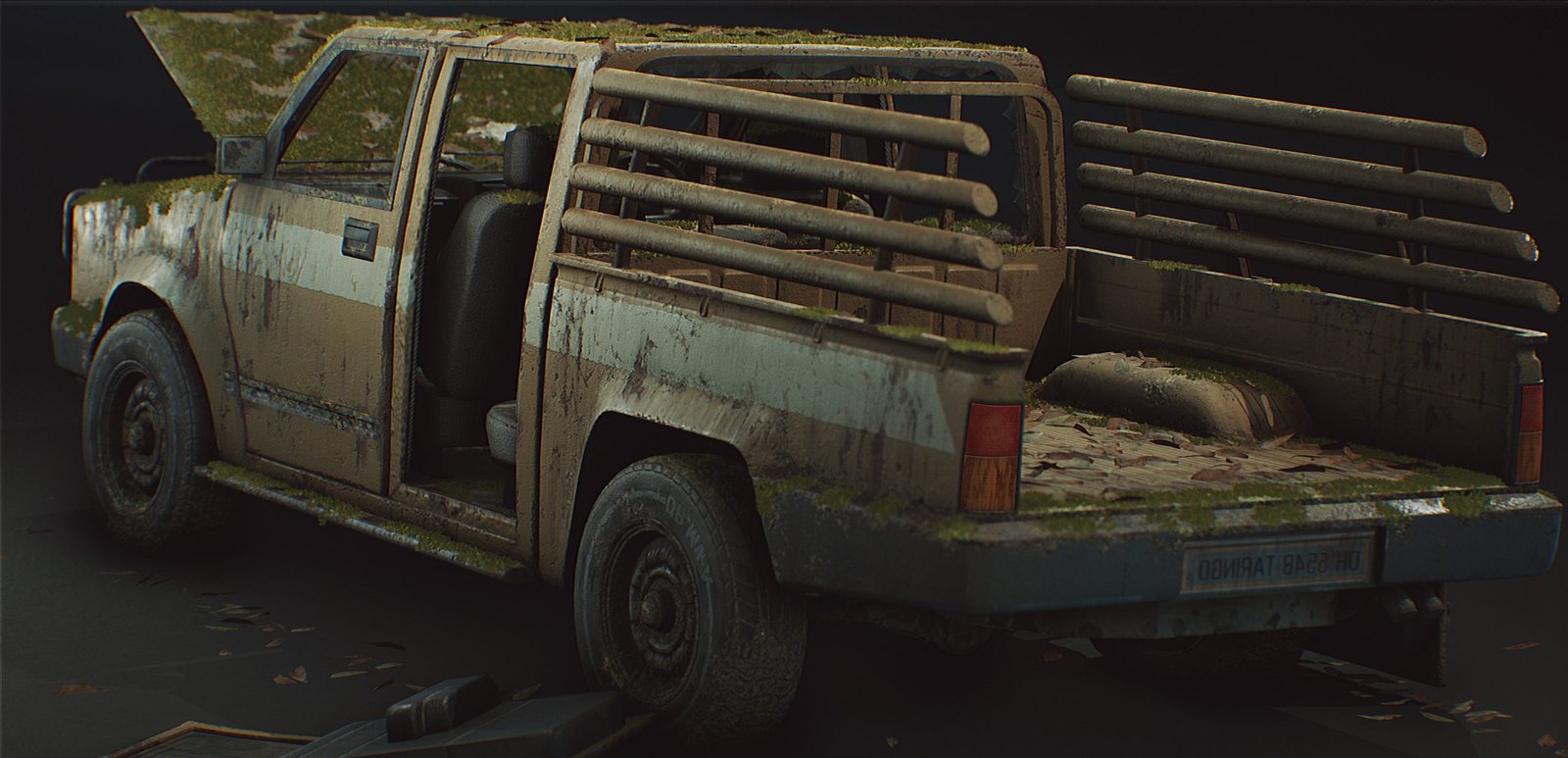
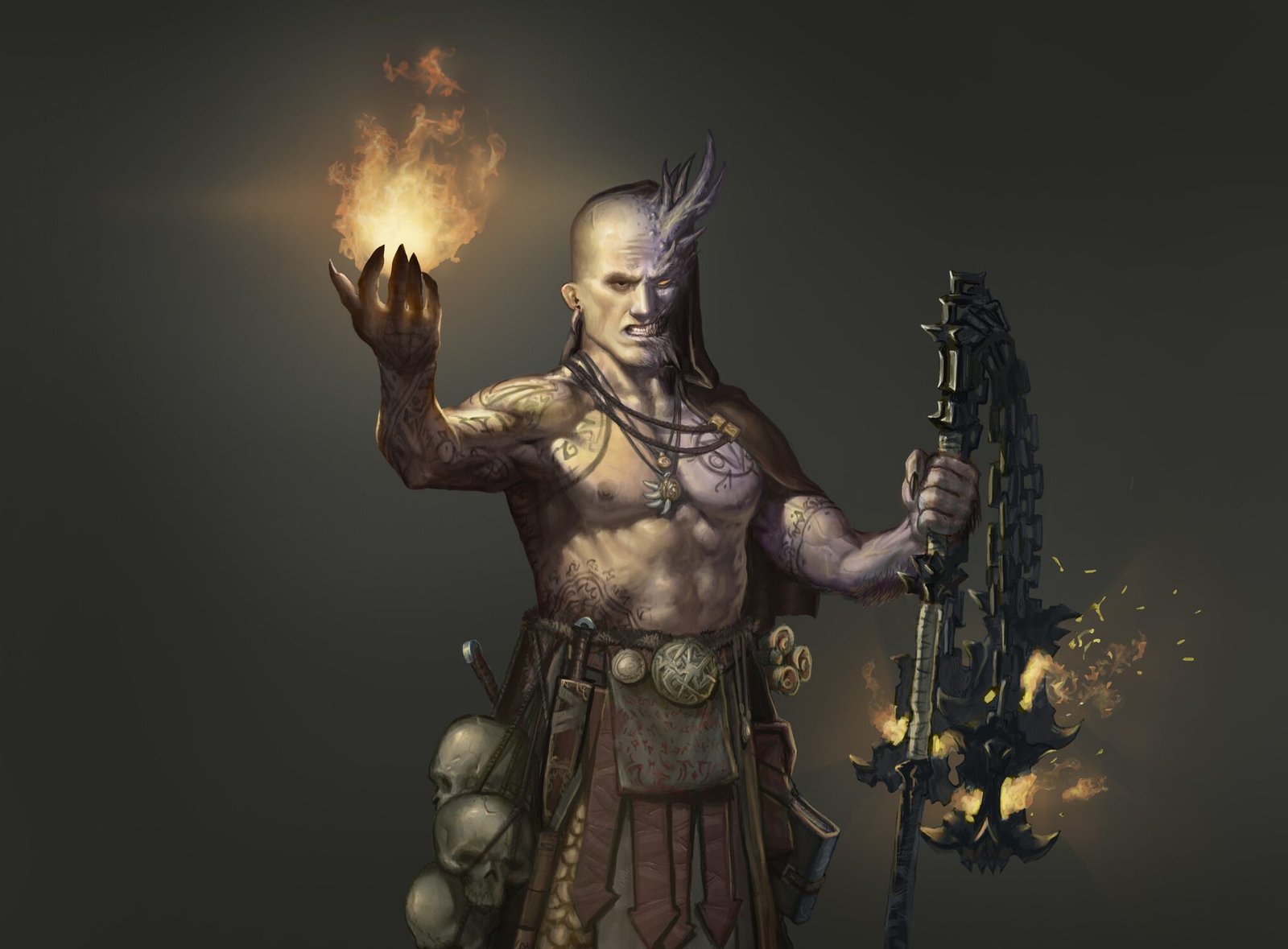
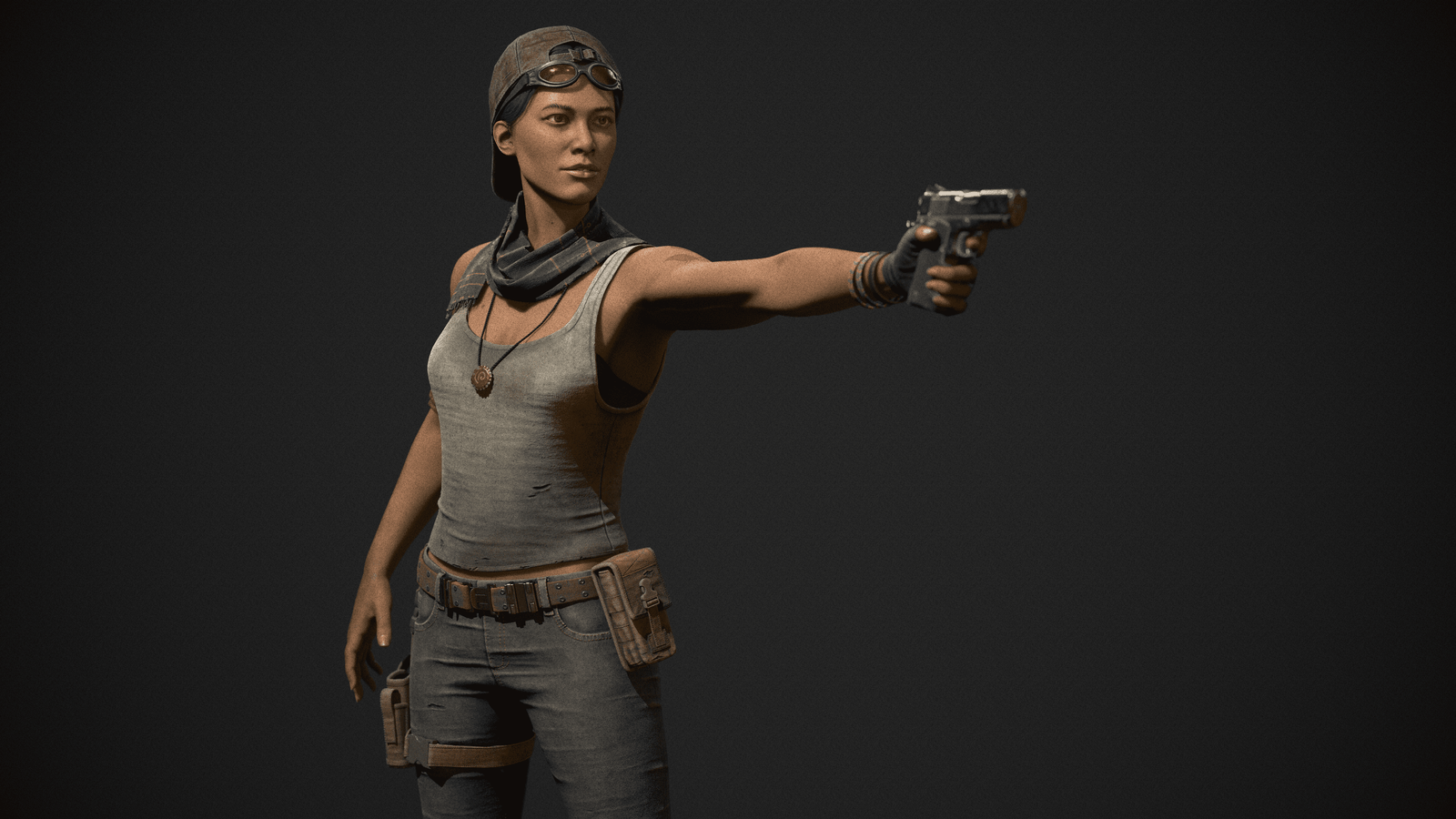
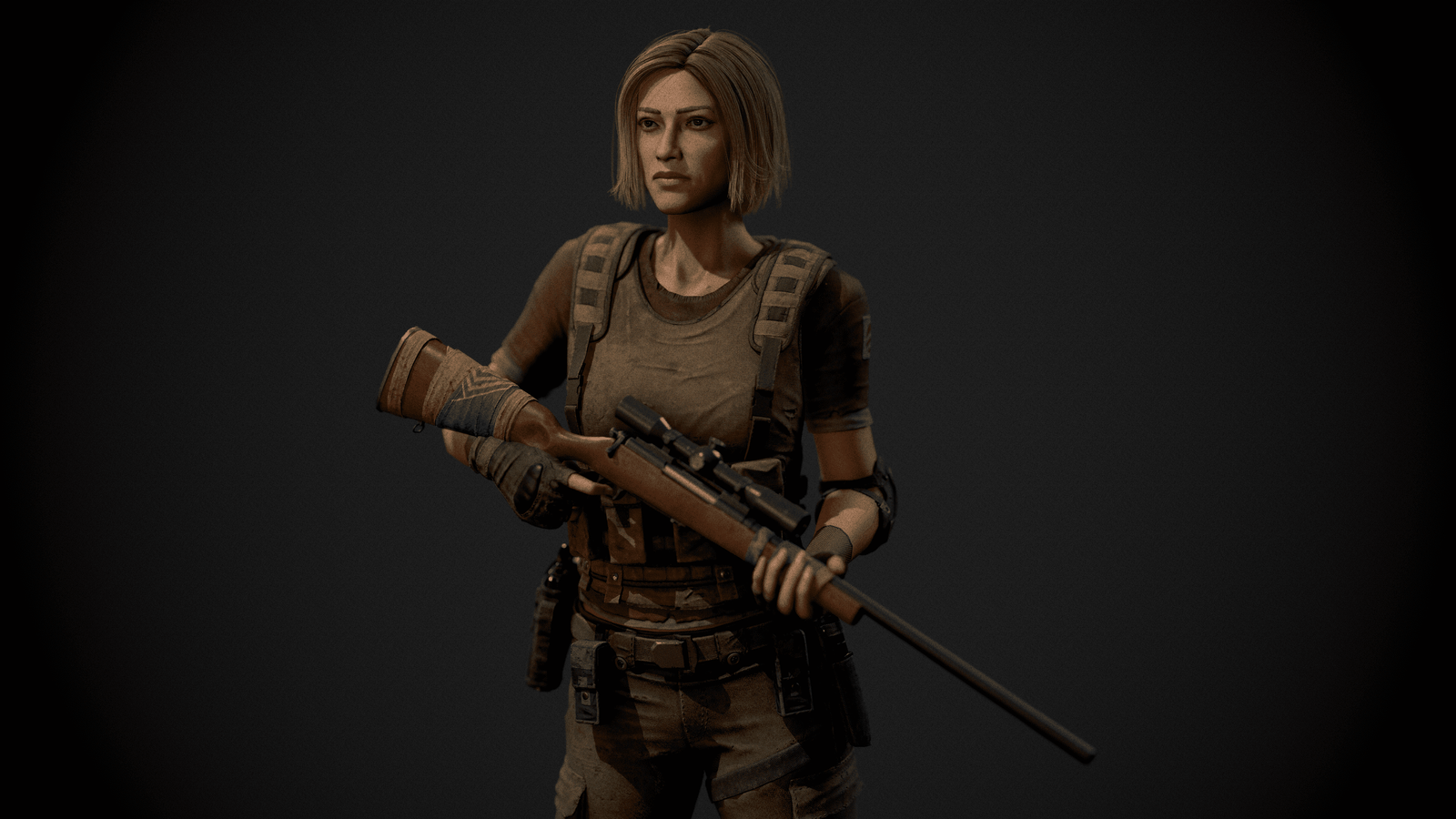
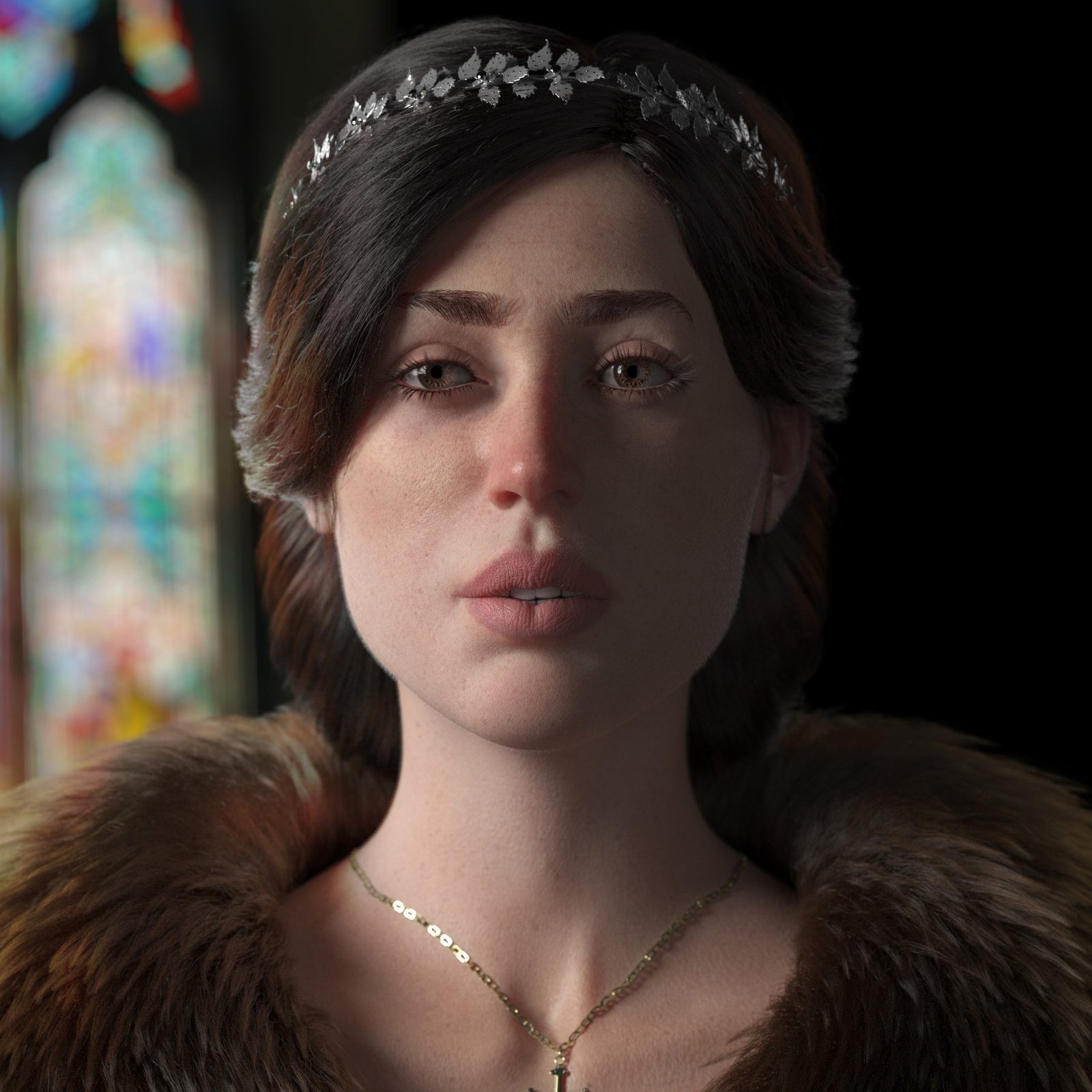
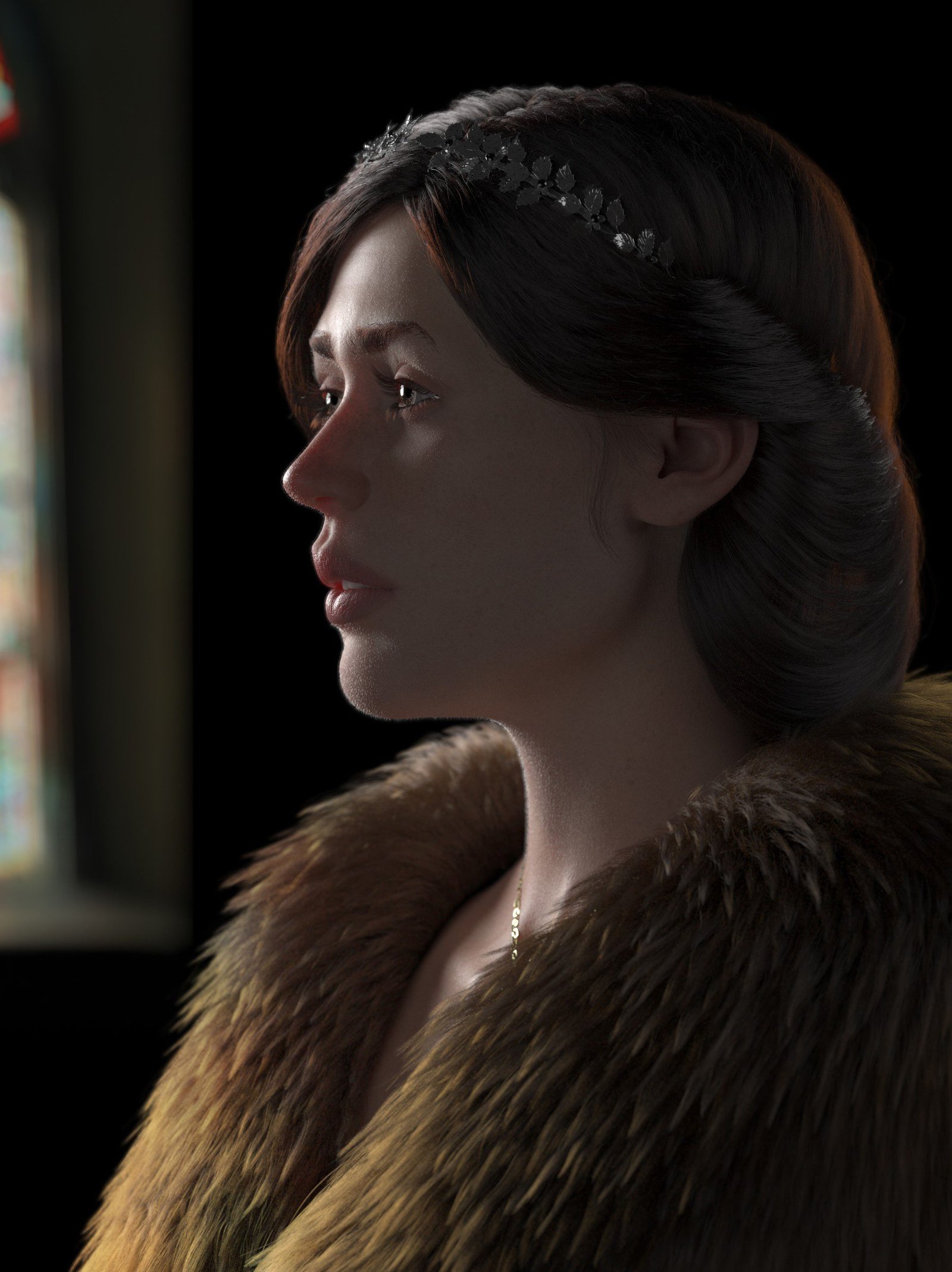
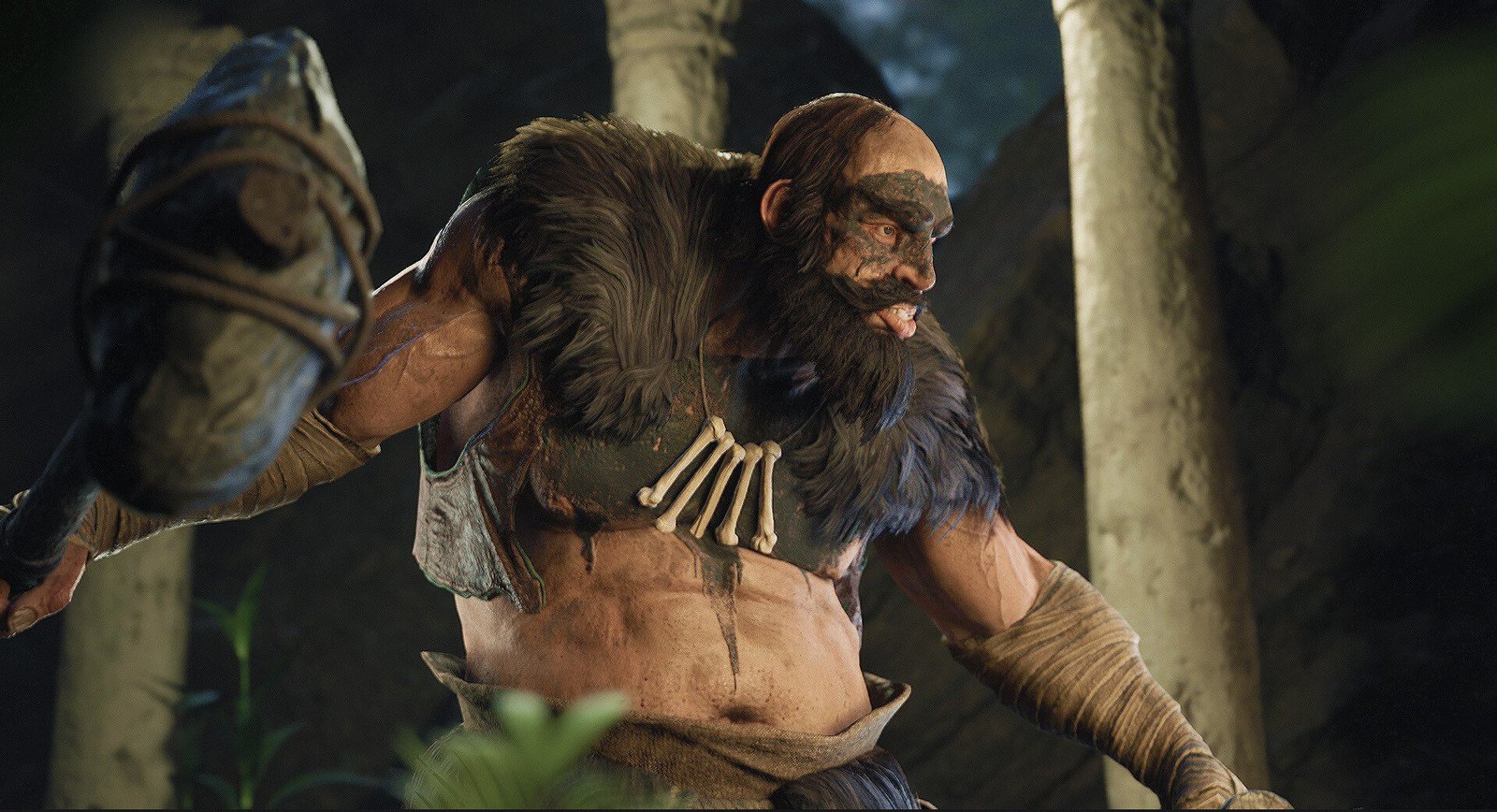
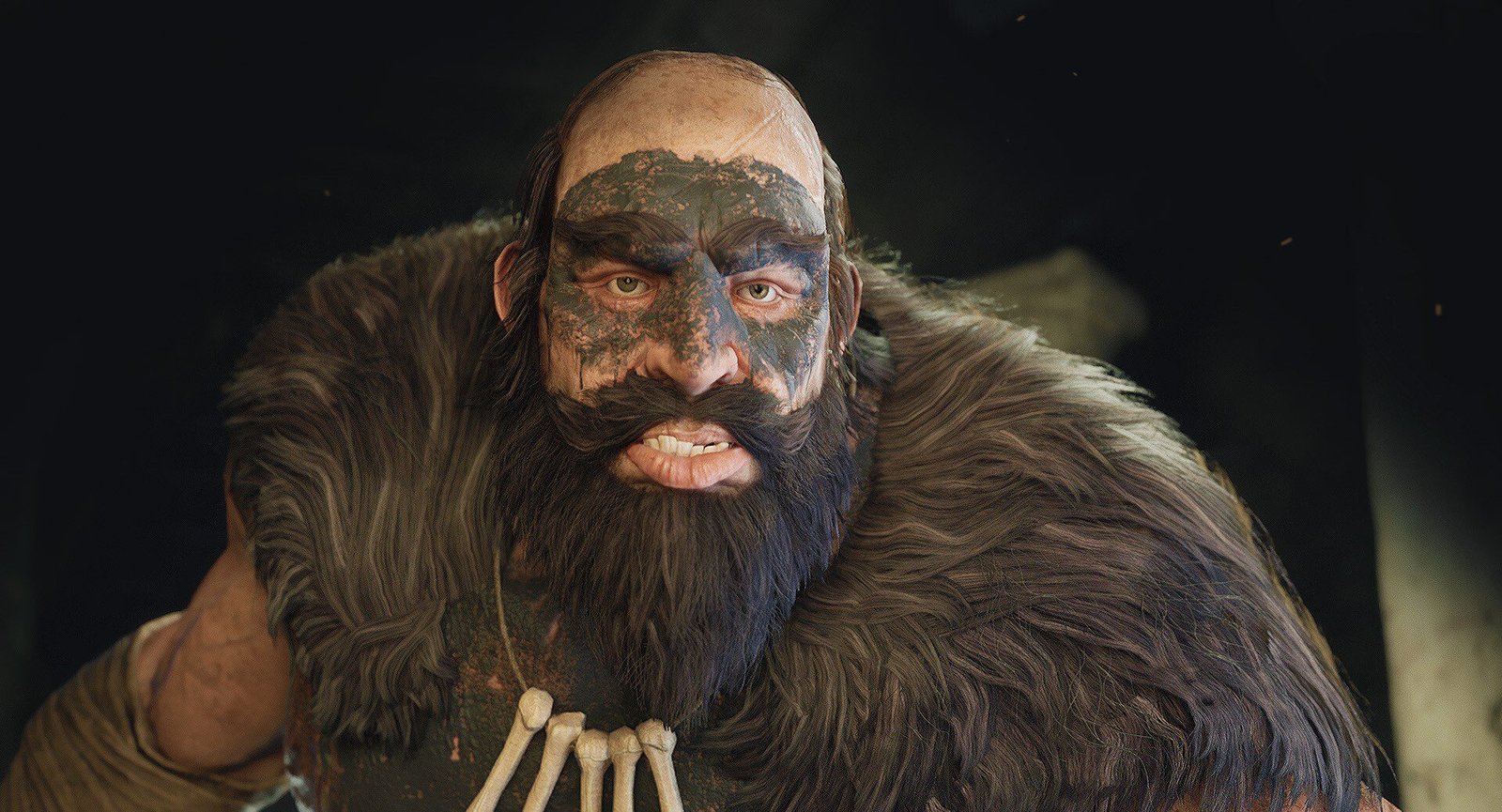
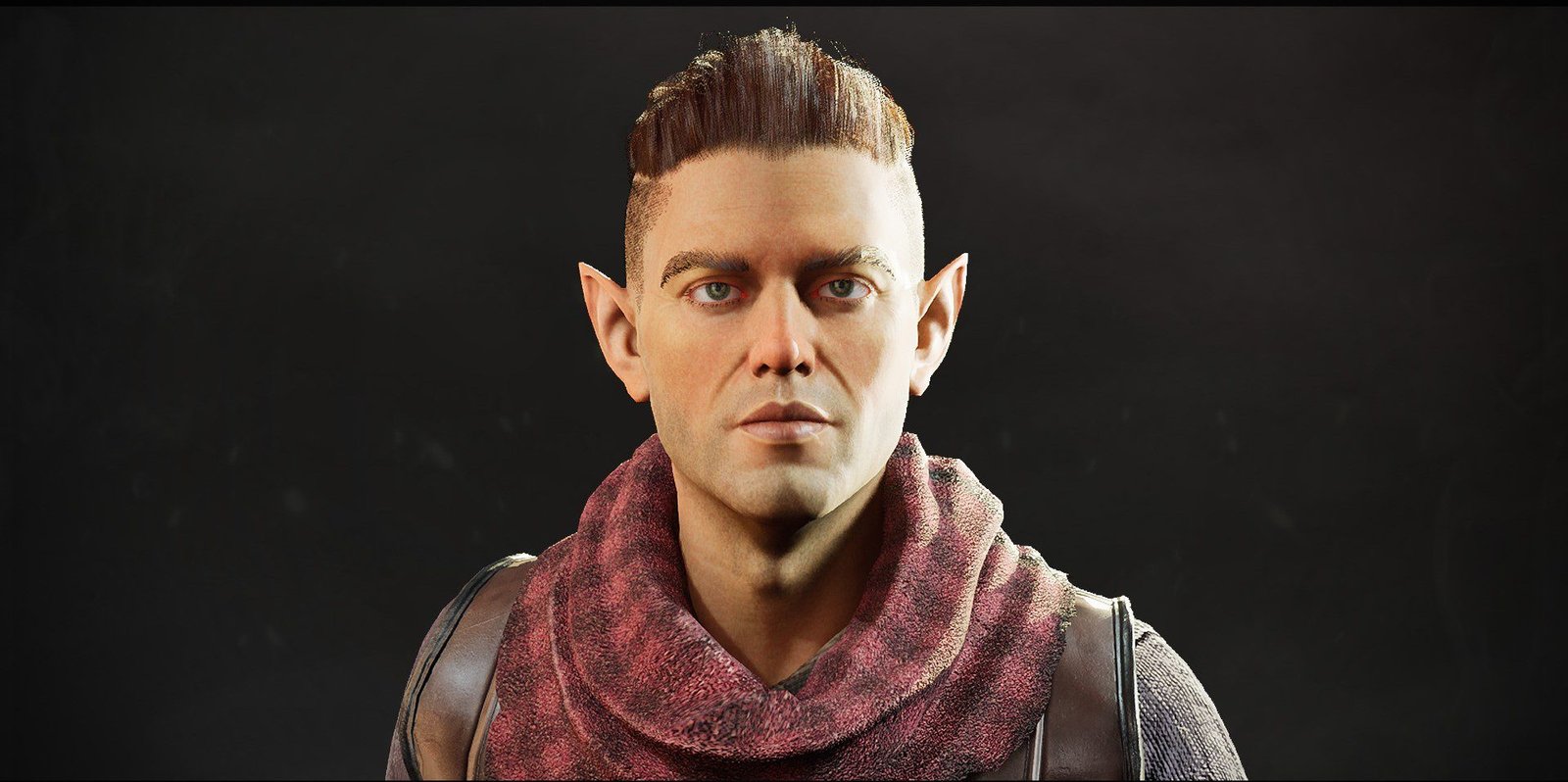
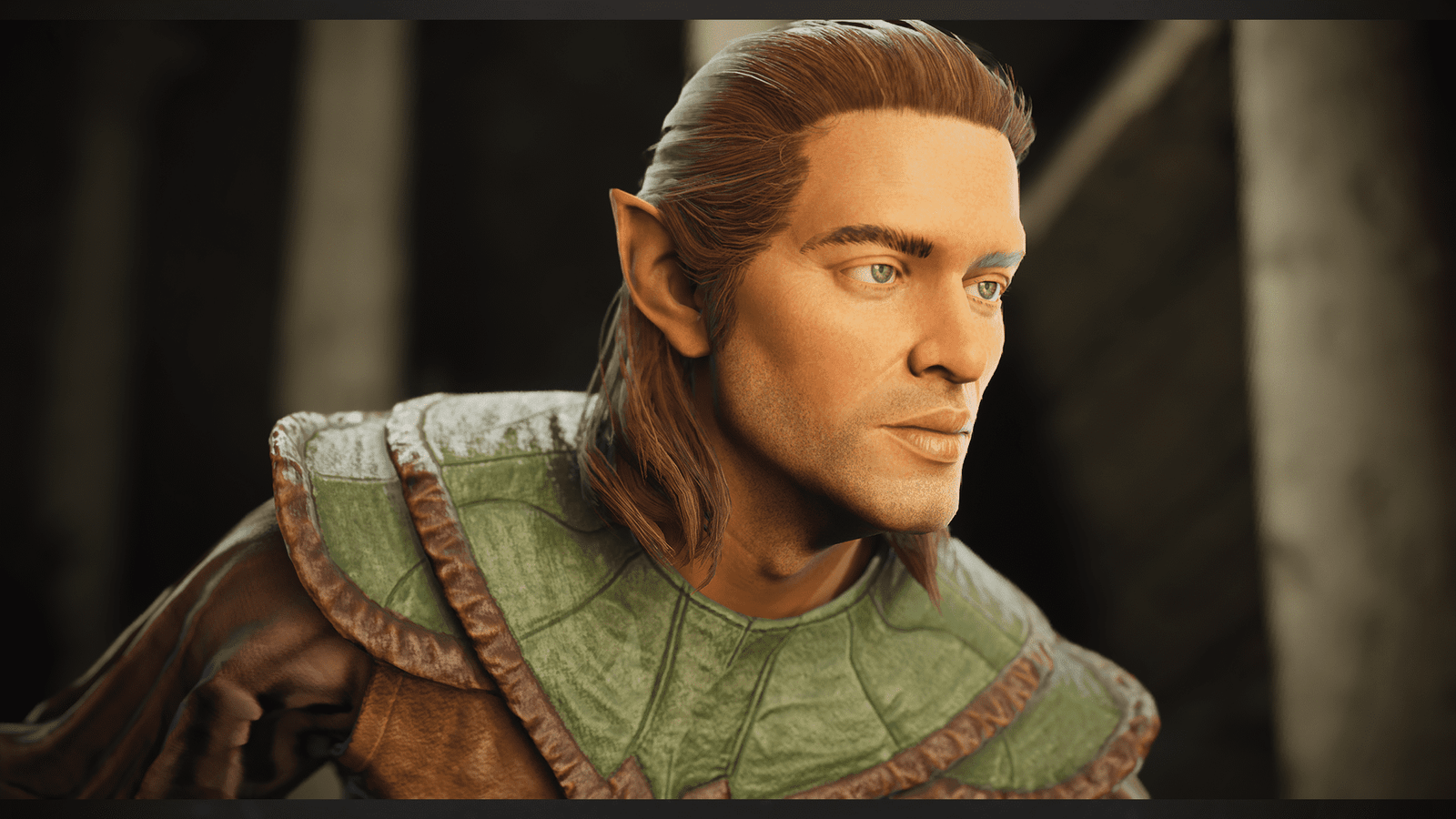
What is the market for game art outsourcing services?
The market for game art outsourcing services has grown significantly over the past decade, driven by the increasing complexity of modern games and the globalization of development pipelines.
Studios today face rising production demands, as audiences expect visually rich environments, detailed characters, and consistent content updates. Meeting these expectations often requires a scale of resources and specialization that is difficult for many studios—particularly small and mid-sized ones—to maintain in-house. Outsourcing provides a flexible solution, enabling developers to access highly skilled artists across the globe while keeping budgets manageable.
One of the key strengths of the outsourcing market is its adaptability. Art production needs vary depending on the stage of development, from early concept sketches to final 3D models, animation, and visual effects. Outsourcing allows studios to ramp resources up or down depending on project milestones, avoiding the long-term costs of expanding permanent staff. Large publishers rely on outsourcing partners to meet tight deadlines for AAA titles, while indie developers often use these services to achieve higher production values than their core teams could deliver alone.
The global nature of the market also plays a crucial role. Game art outsourcing hubs have developed in regions such as Eastern Europe, Southeast Asia, and Latin America, offering competitive pricing alongside strong technical and artistic expertise. This worldwide talent pool has enabled studios to find partners whose strengths align with their project needs, whether that be stylized art for mobile games, photorealistic assets for console releases, or specialized services like rigging or motion capture.
Looking forward, the demand for outsourcing is expected to increase as new technologies such as virtual reality, augmented reality, and AI-driven content generation expand the scope of what games can achieve. These formats often require bespoke assets and experimentation, making outsourcing an efficient way to explore new artistic possibilities without overextending internal teams. Moreover, with the rise of live-service games that depend on a steady stream of fresh content, outsourcing partners are becoming long-term collaborators rather than one-off providers.
In summary, the market for game art outsourcing is both mature and evolving. It serves as a vital support system for developers across the spectrum, balancing cost efficiency with creative excellence. As the industry continues to push the boundaries of interactive entertainment, outsourcing will remain a strategic tool for delivering high-quality art on time and at scale.
Why Should a Game Development Studio Consider Outsourcing Game Art?
Outsourcing game art is often more affordable than hiring an in-house team, especially in regions with lower labor costs, saving on salaries, benefits, equipment, and workspace.
- Access to a Global Talent Pool
Outsourcing gives game studios access to specialized artists with diverse skills and unique perspectives, improving creativity and quality.
- Scalability and Flexibility
Studios can scale art production up or down based on project needs, meeting tight deadlines and handling peak workloads without permanent hires or excessive overtime.
- Fresh Perspectives and Diverse Art Styles
Collaborating with artists from various regions introduces new aesthetics, visual techniques, and cultural influences that enhance the game’s global appeal.
Partnering with established outsourcing studios reduces the risk of art-related issues and delays, with experienced vendors offering valuable insights and suggestions.
The Game Art Outsourcing Process
Game art outsourcing involves a series of carefully managed steps to ensure high-quality results while maintaining efficiency.
- Identifying the Requirement: The first step is to define the project’s artistic needs, such as characters, environments, or animations, and set clear specifications for style, polycount, and resolution. A detailed brief helps convey the creative vision effectively.
- Finding the Right Partner: Selecting the right outsourcing partner is critical. This involves evaluating portfolios, checking client testimonials, and assessing their expertise in similar projects to ensure alignment with your goals.
- Drawing Up the Contract: Contracts should detail project timelines, milestones, deliverables, payment terms, and intellectual property agreements. A comprehensive contract minimizes risks and sets clear expectations for both parties.
- Production: During production, continuous collaboration and feedback are essential. Regular check-ins and iterative reviews help ensure the art aligns with the agreed specifications and the creative direction.
- Review and Delivery: Before finalizing, the deliverables undergo quality checks to confirm compatibility with the project’s requirements. Any necessary revisions are made to achieve a polished, ready-to-use asset.
What can you outsource for a video game studio?
Outsourcing has become a common practice in the video game industry, allowing studios to leverage specialized expertise, reduce costs, and streamline development processes. Here are some key aspects of game development that studios frequently outsource:
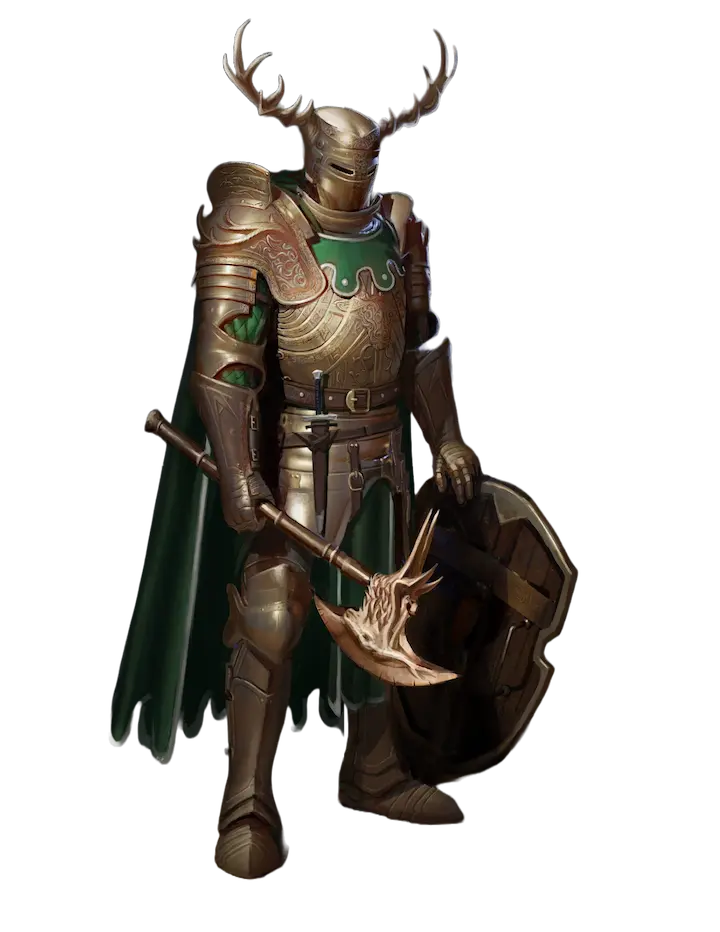
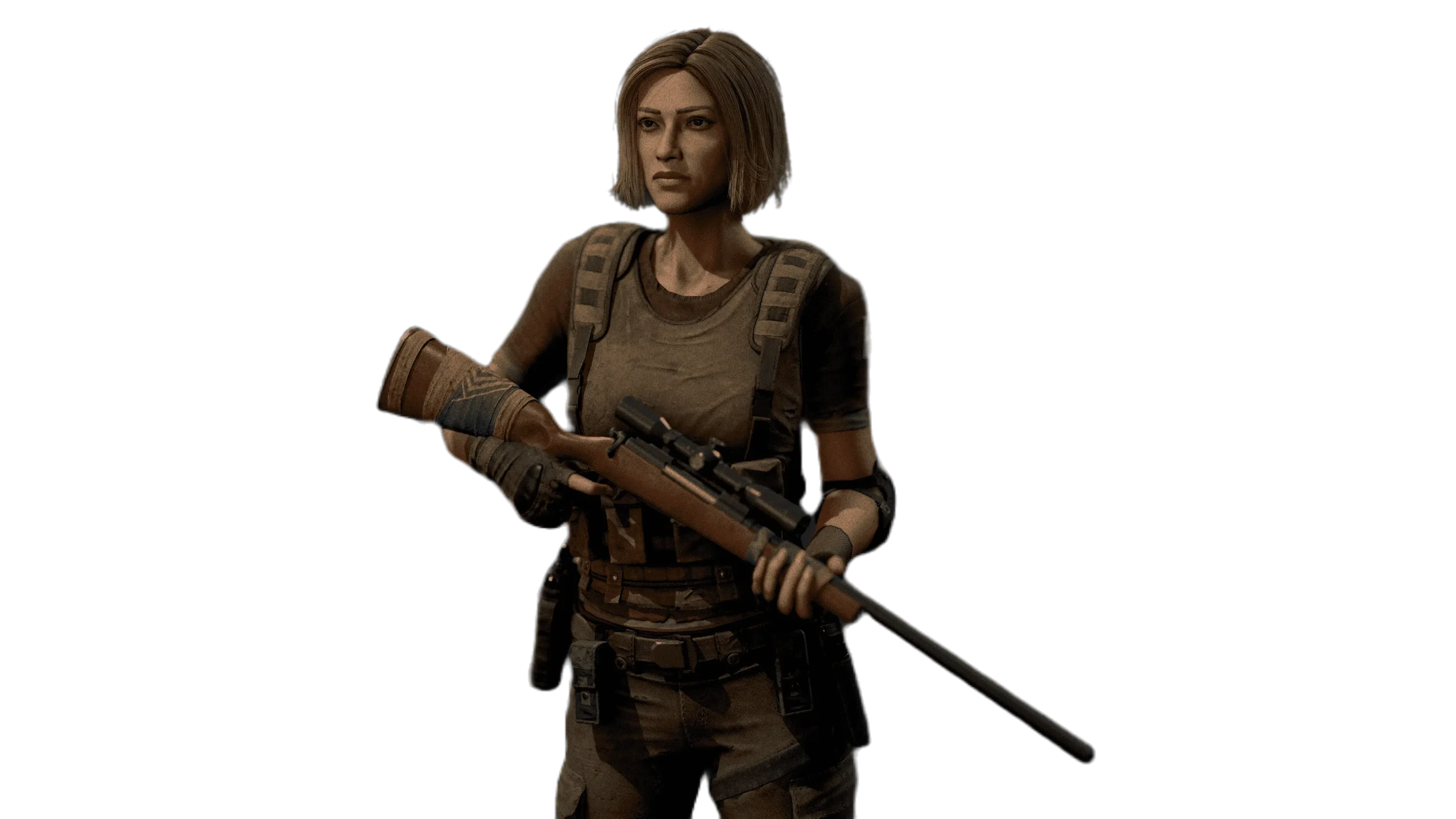
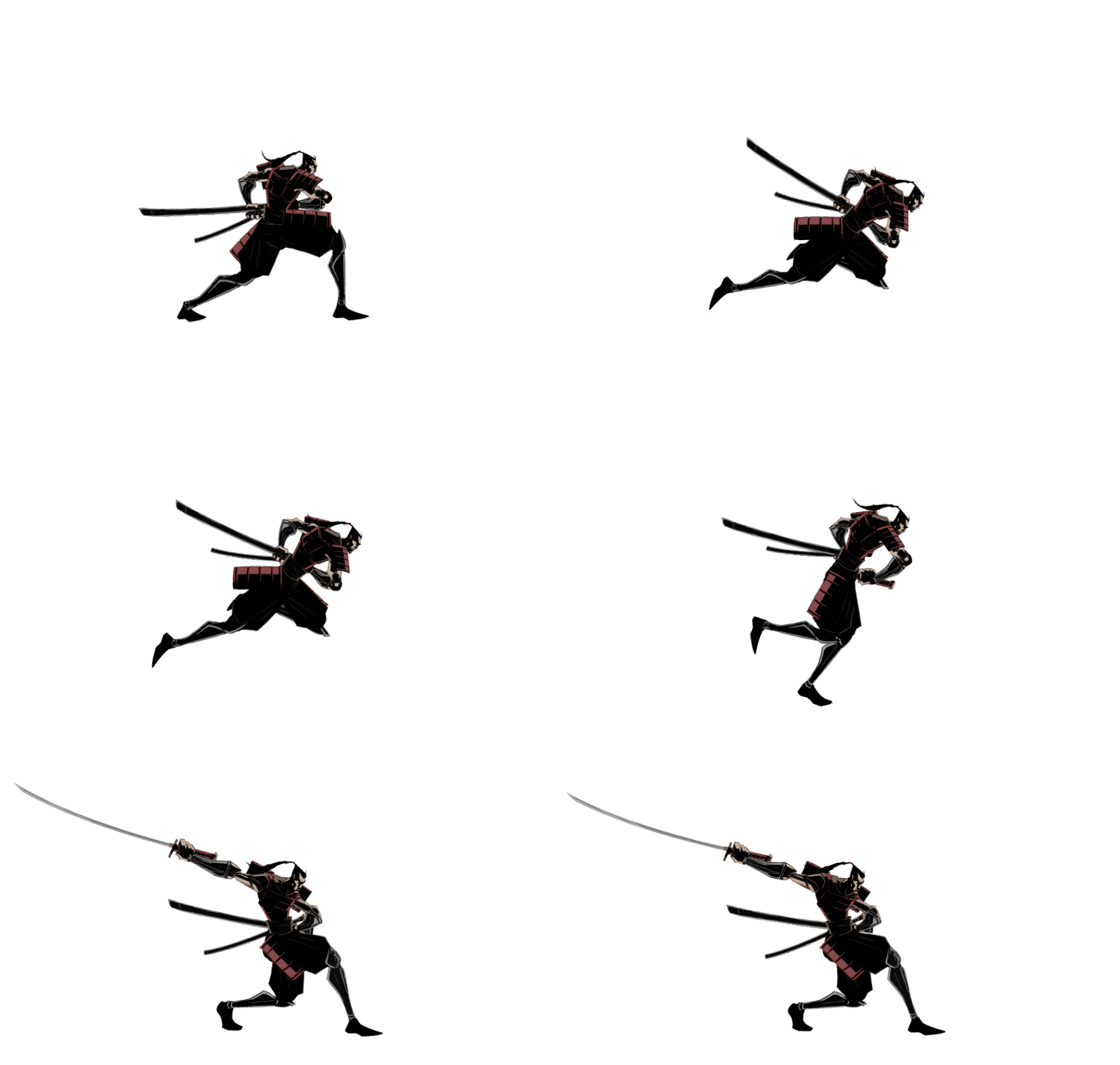
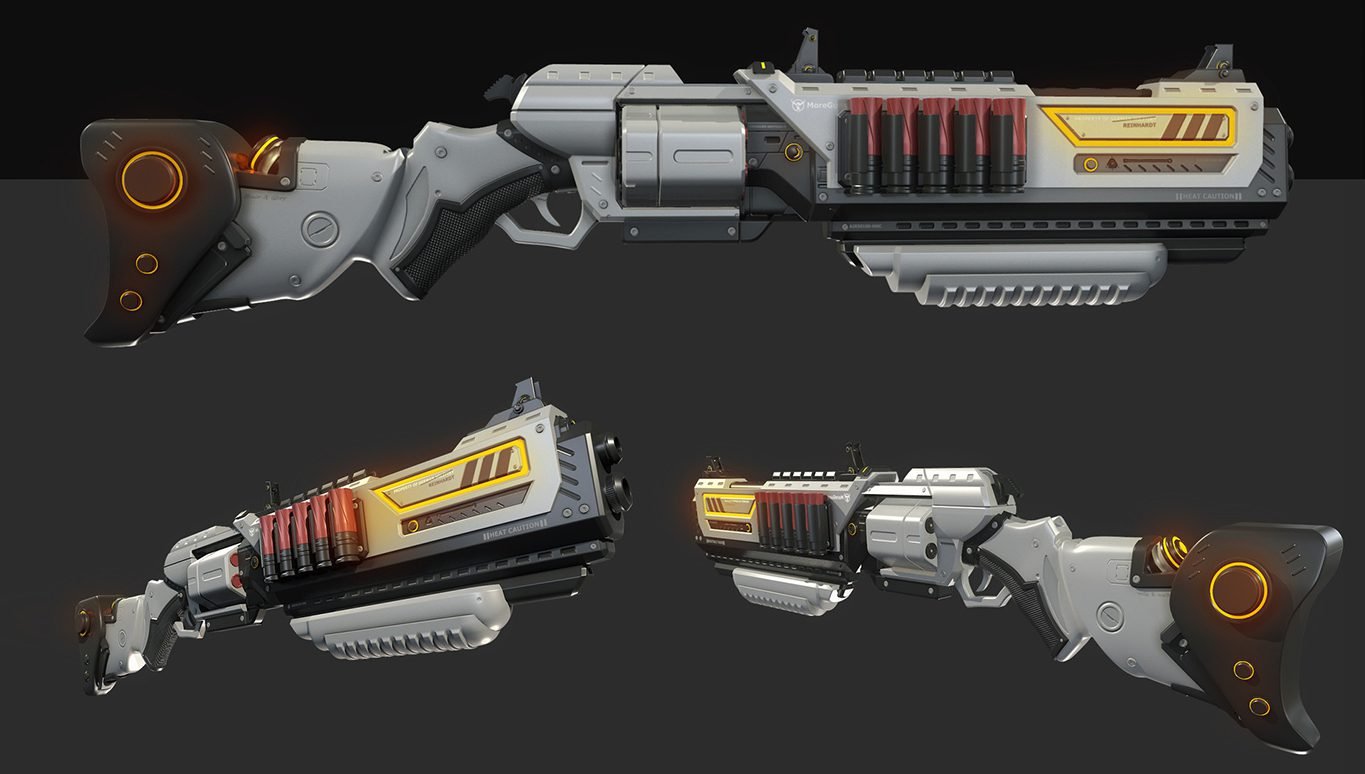
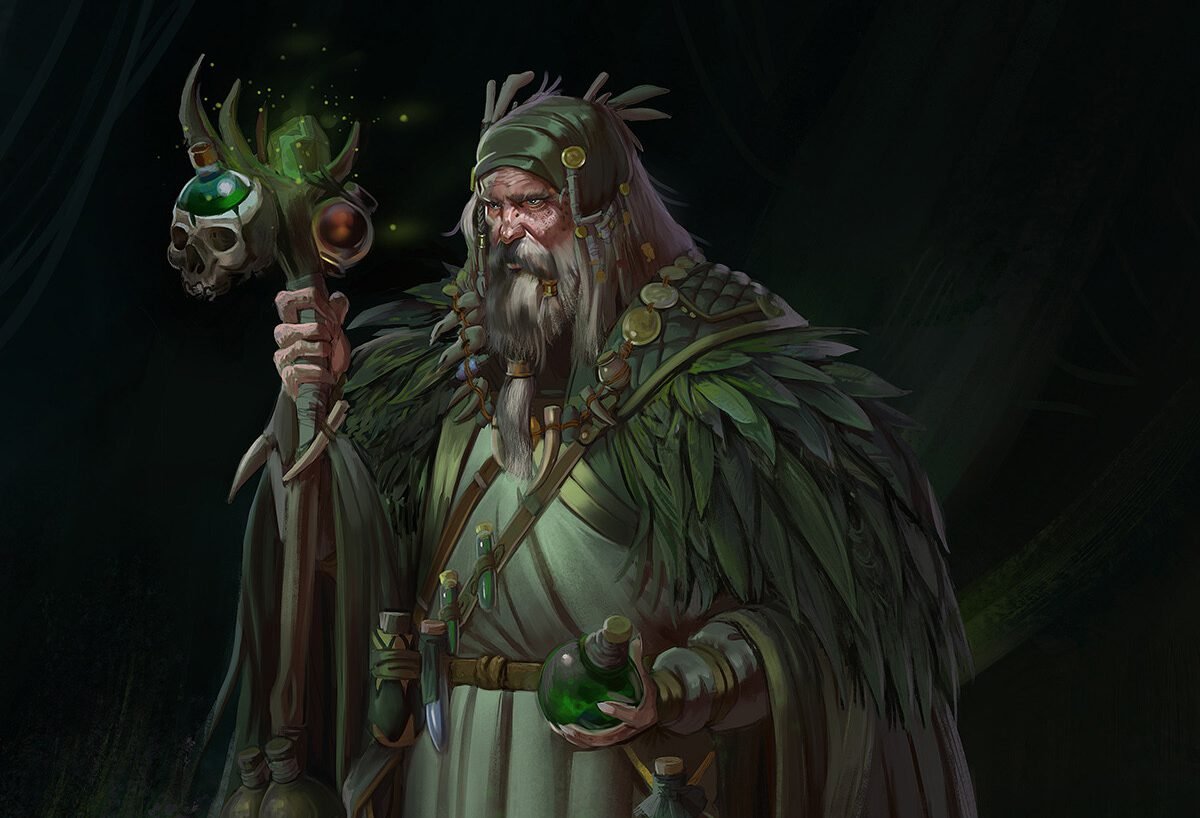
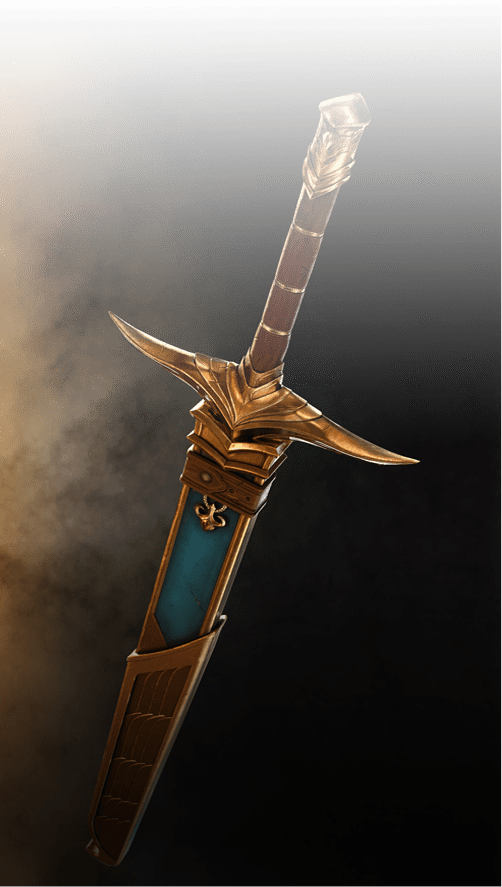
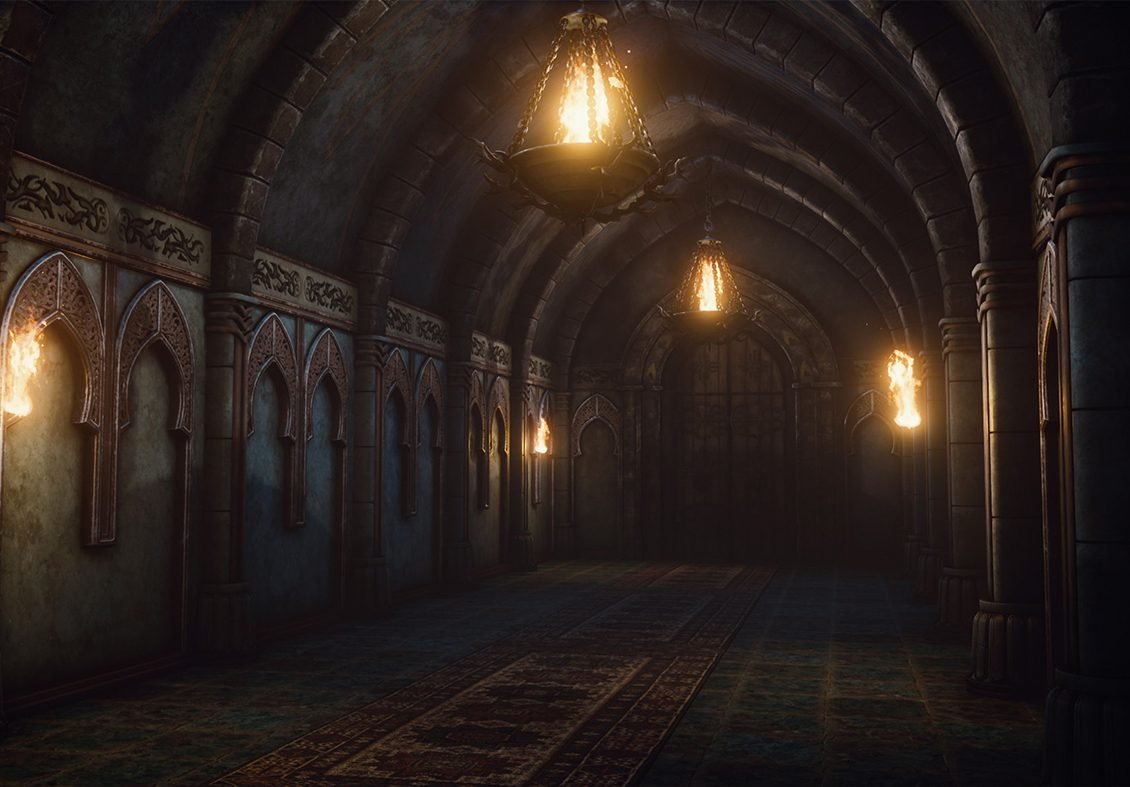
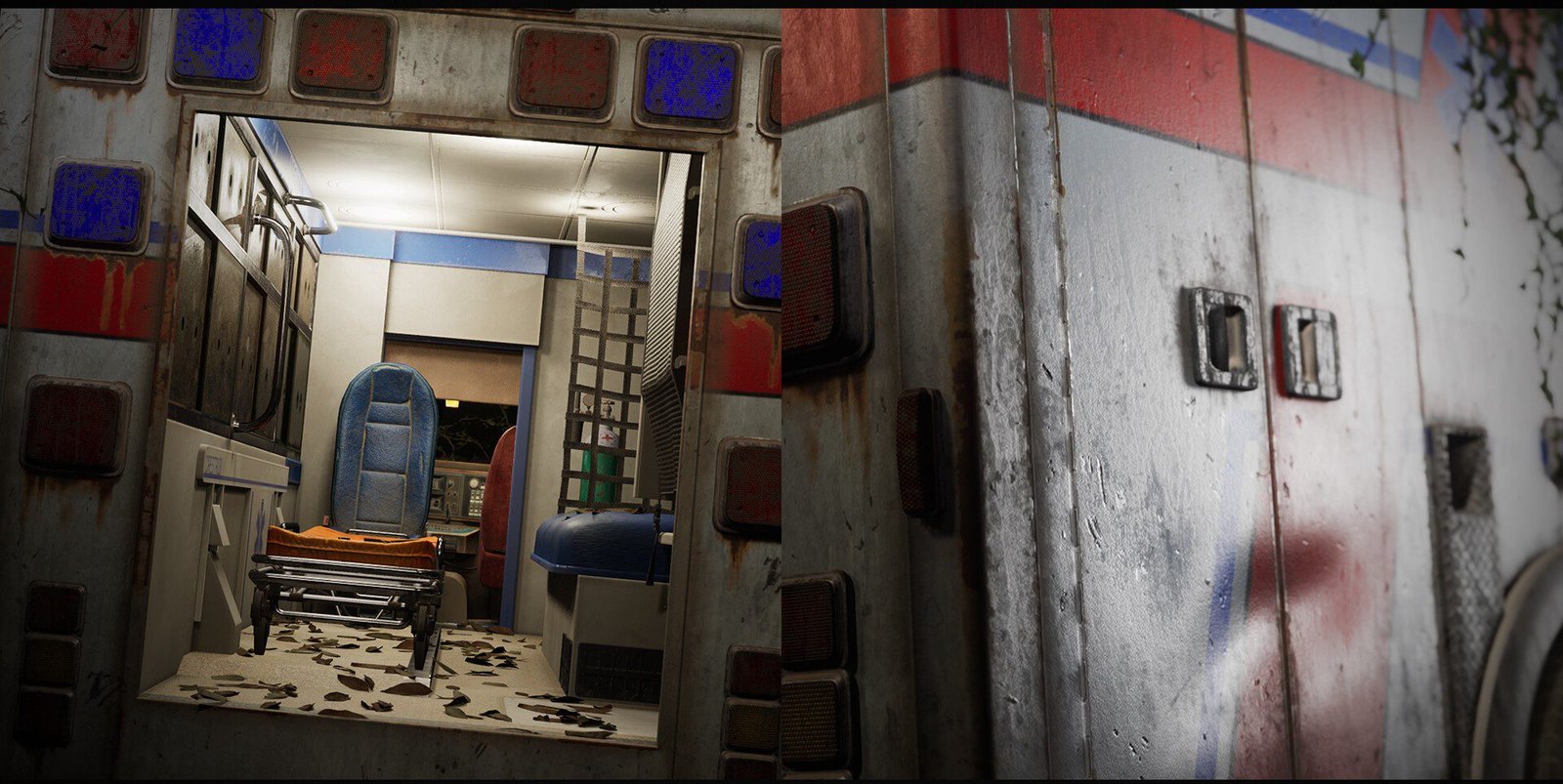
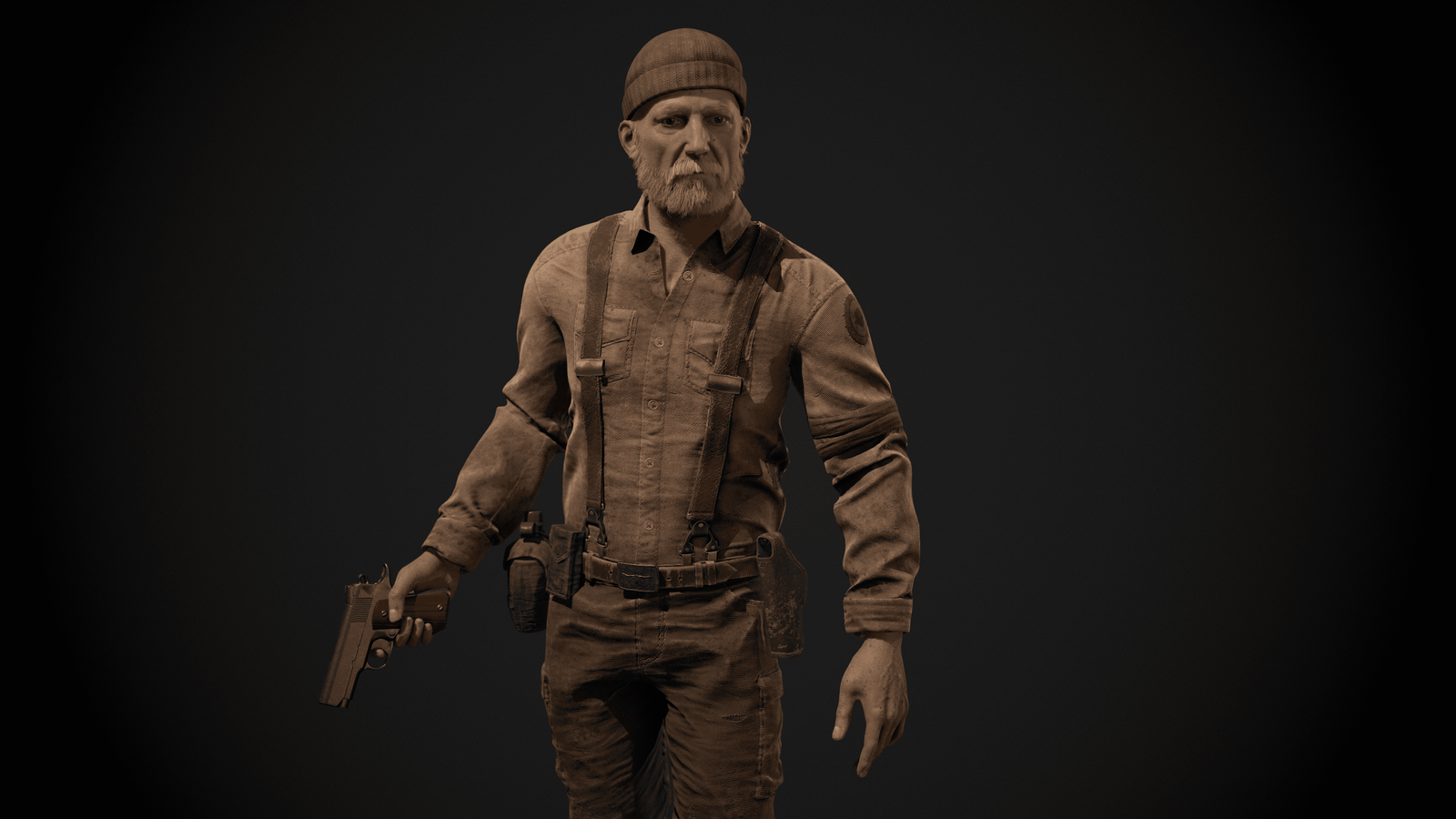
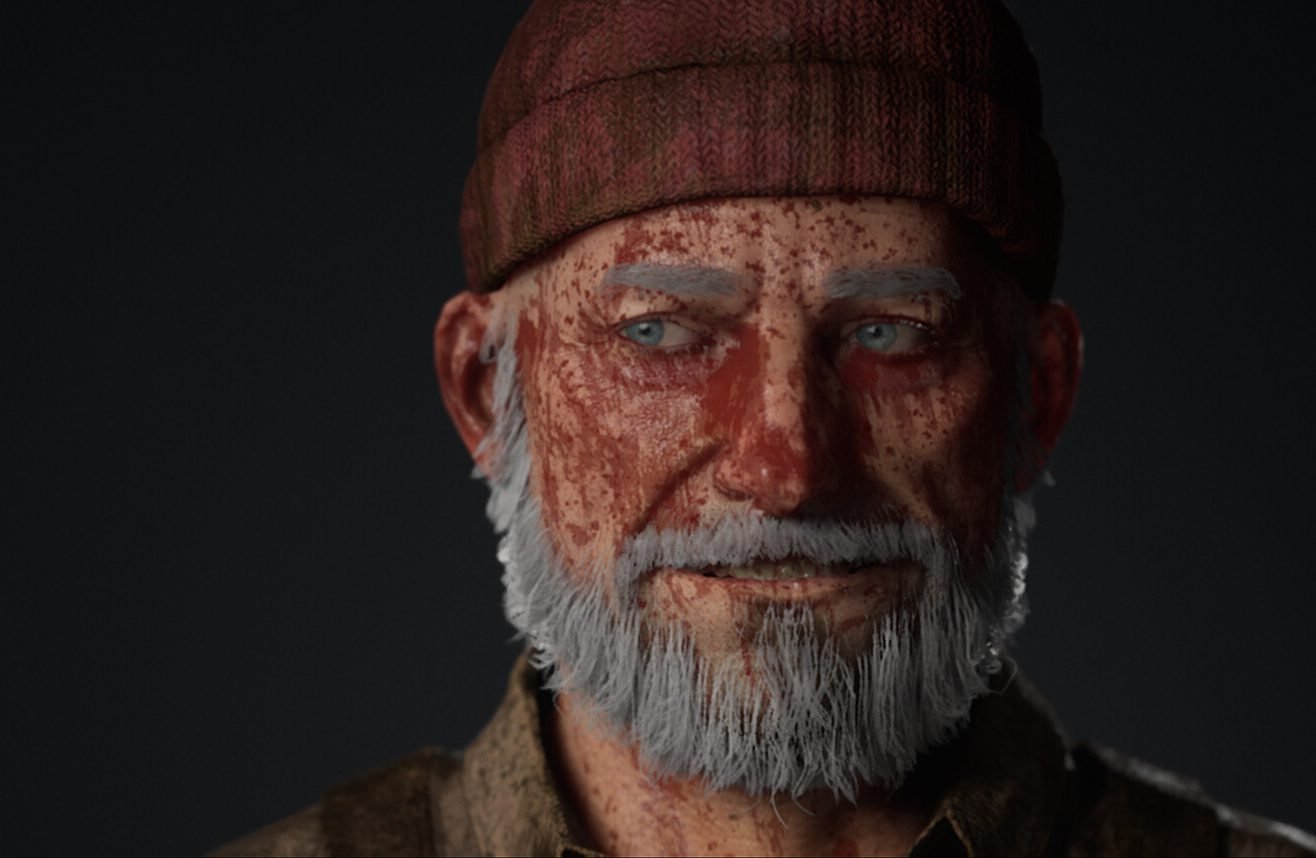
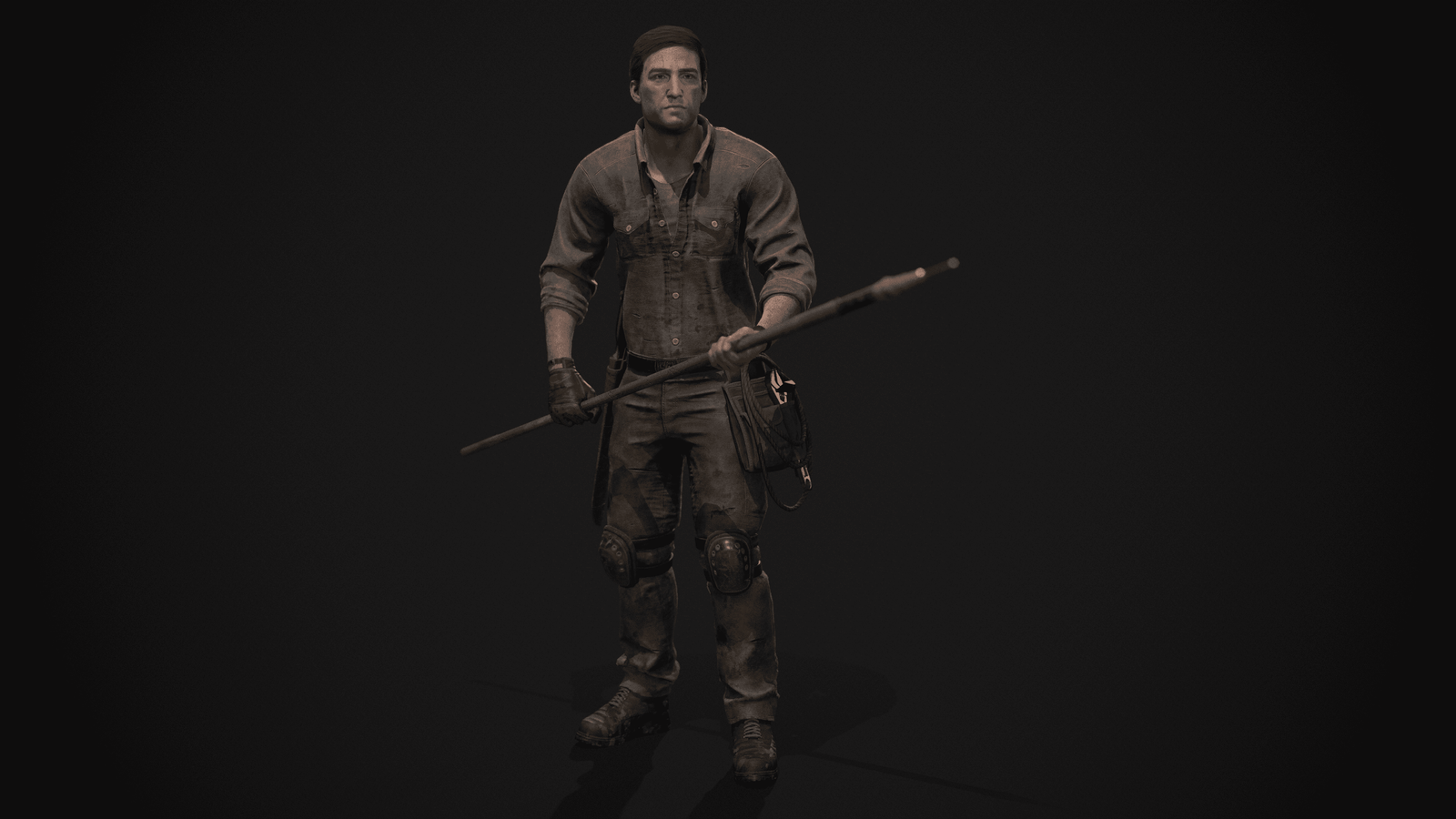
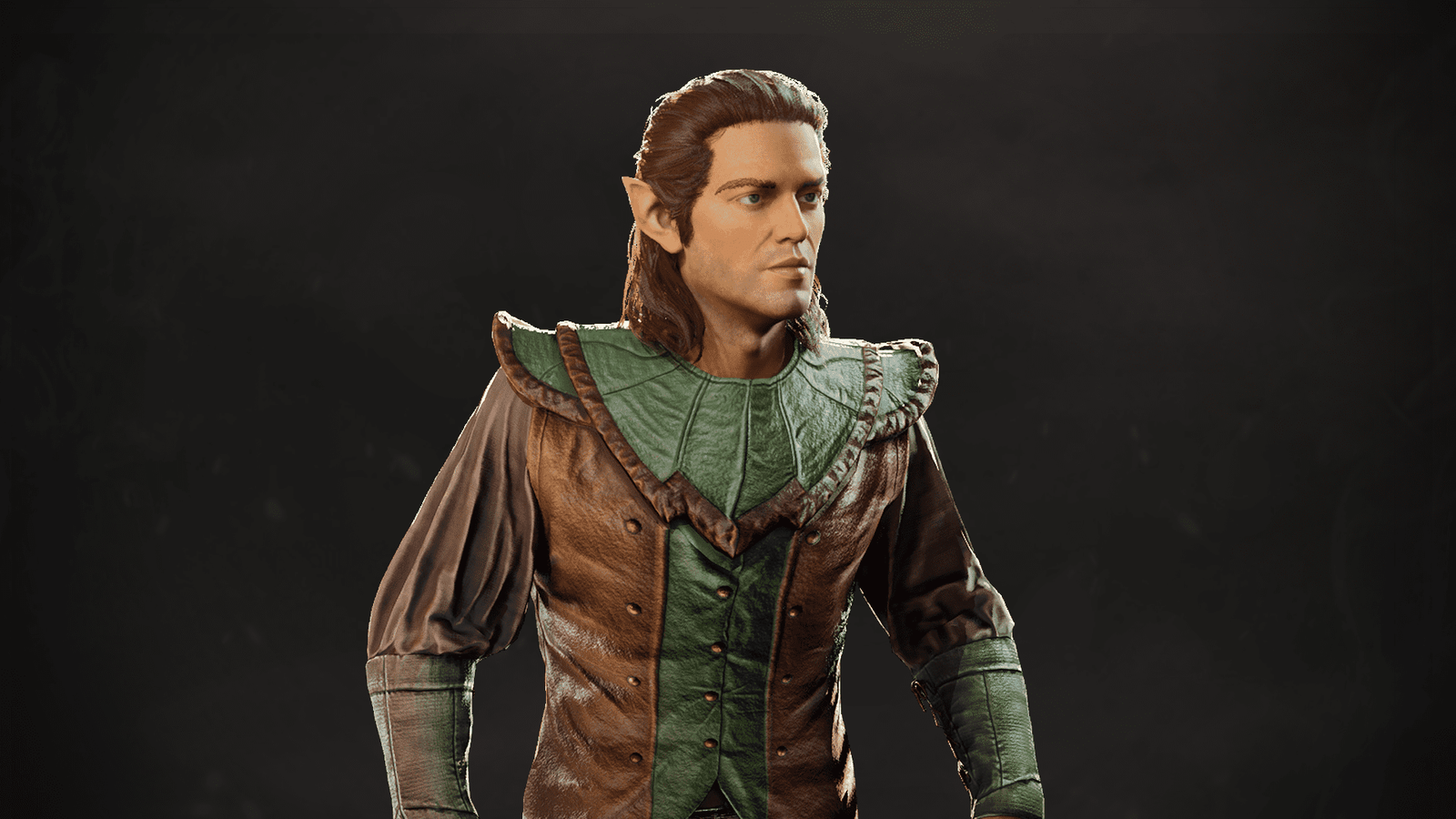
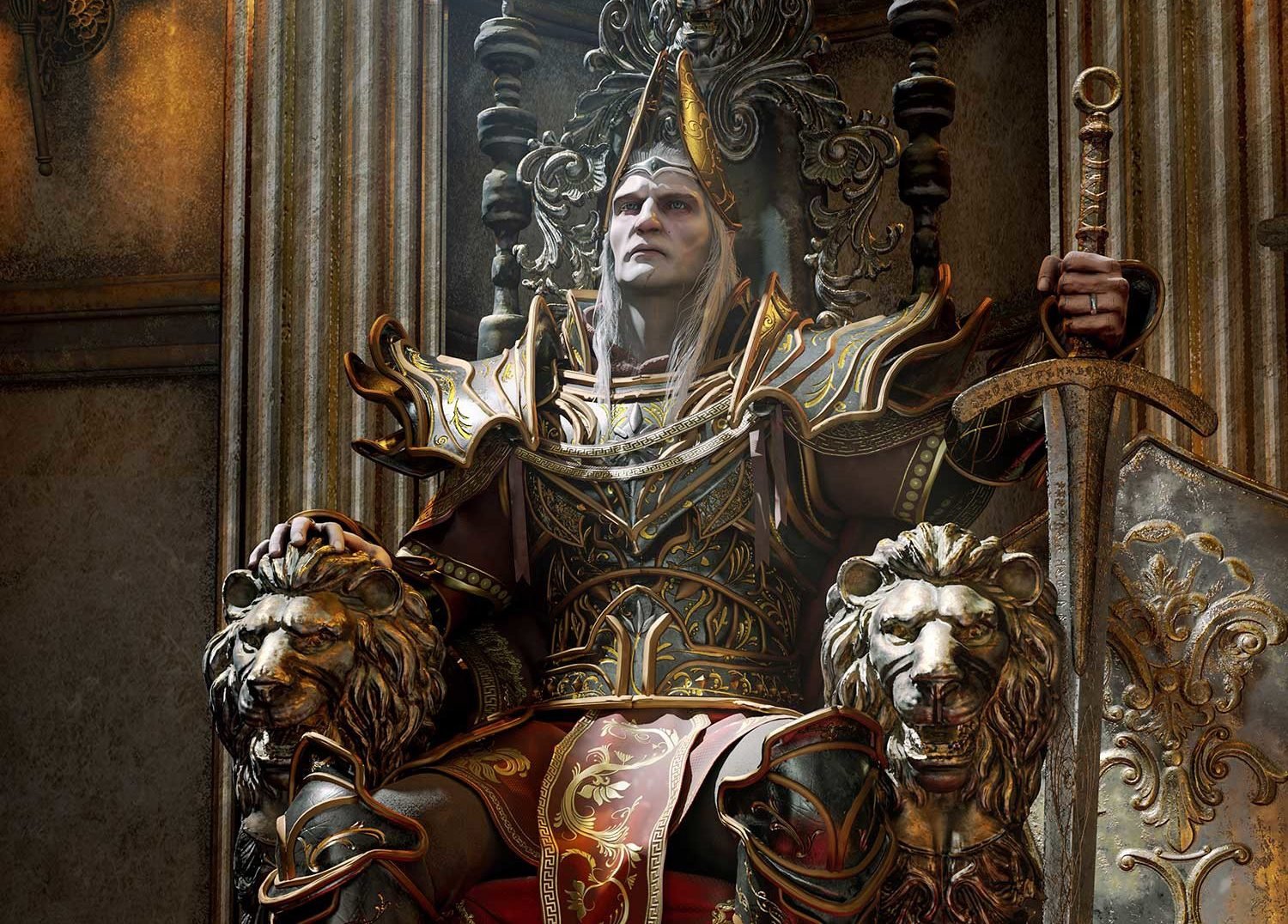
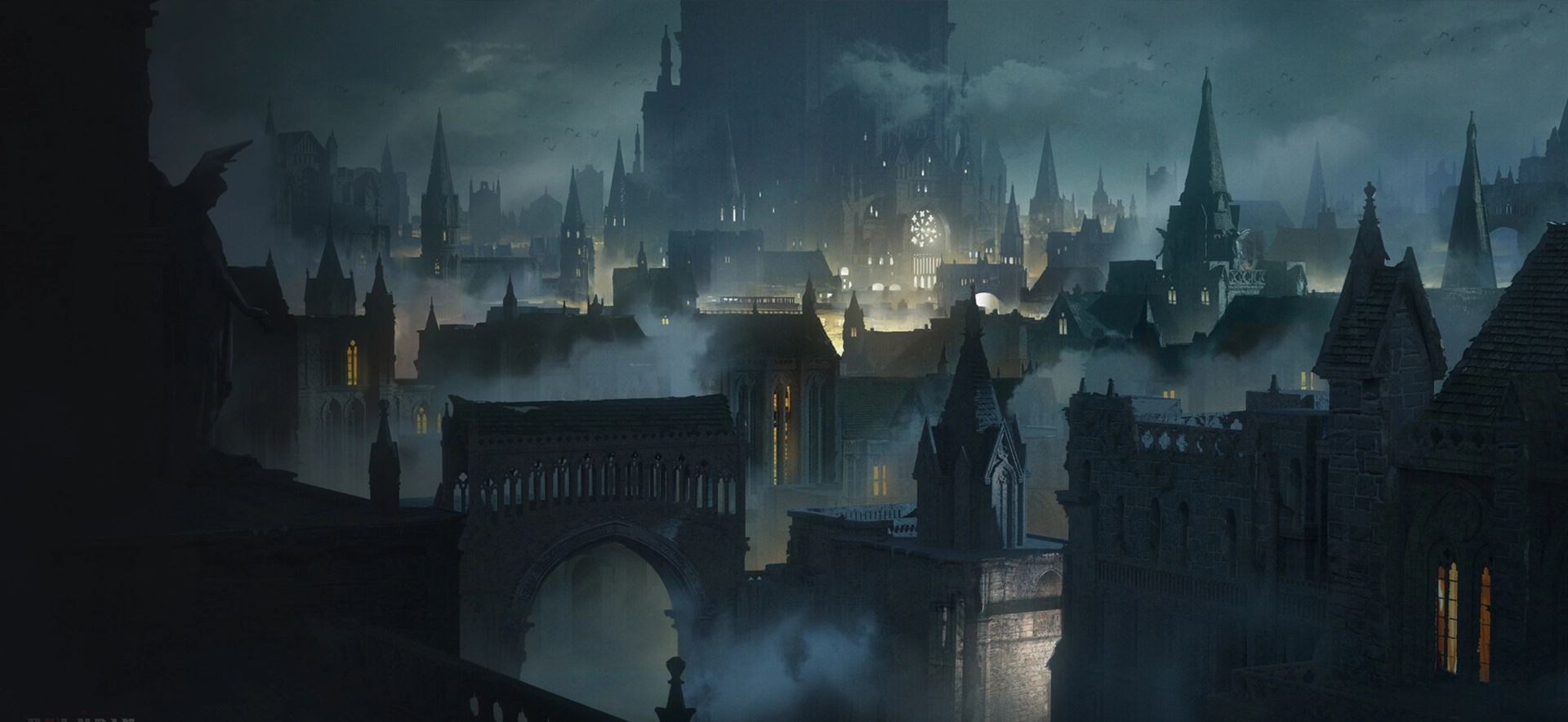
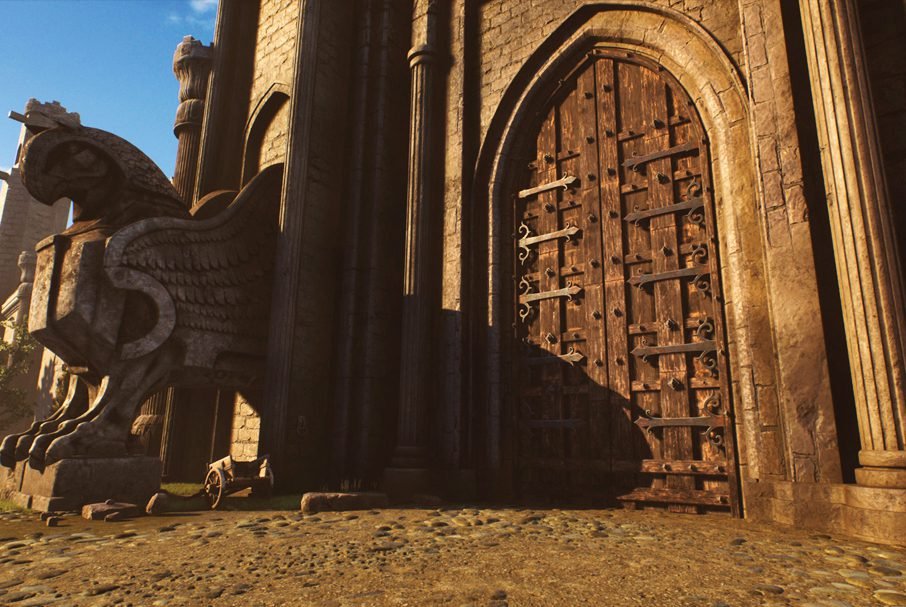
- Art Assets: Outsourcing art assets such as character models, environments, animations, and special effects is a popular choice for game studios. Outsourcing art allows studios to access a wide range of artistic styles and expertise, ensuring high-quality visuals that align with the game’s aesthetic vision.
- Sound Design and Music: Engaging game sound design and captivating music are essential elements of immersive gaming experiences. Many studios outsource sound design, voice acting, and game music composition to talented professionals who specialize in creating audio content tailored to the game’s atmosphere and narrative.
- Programming and Development: Outsourcing programming and development tasks can help game studios manage workload fluctuations and access specialized expertise in areas such as game engines, AI programming, networking, and optimization. By outsourcing development tasks, studios can accelerate production timelines and focus on core aspects of game design.
- Quality Assurance (QA) Testing: Thorough QA testing is crucial for identifying bugs, glitches, and performance issues that could detract from the player experience. Many studios outsource QA testing to external testing firms or independent testers who rigorously evaluate the game across different platforms and configurations.
- Localization and Translation: For games intended for global audiences, localization and translation services are essential for adapting the game’s text, dialogue, and user interface to different languages and cultural contexts. Outsourcing localization ensures accurate and culturally sensitive translations that resonate with players worldwide.
- Marketing and PR: Effective marketing and PR campaigns are vital for generating buzz and driving sales upon release. Studios may outsource marketing services to agencies or freelancers who specialize in video game promotion, influencer outreach, community management, and social media marketing.
By outsourcing these aspects of game development, studios can access specialized expertise, optimize resource allocation, and accelerate production timelines, ultimately delivering high-quality games that resonate with players.
What factors should be considered in the selection of an outsourcing partner?
Choosing the right outsourcing partner is a critical decision that can significantly impact the success of a game development project. Here are some key factors to consider when selecting an outsourcing partner:
- Reputation and Track Record: Look for outsourcing partners with a proven track record of delivering high-quality work on time and within budget. Research the partner’s portfolio, client testimonials, and industry reputation to assess their credibility and reliability.
- Expertise and Specialization: Assess the partner’s expertise and specialization in relevant areas of game development, such as art, programming, sound design, QA testing, or localization. Choose partners who have demonstrated proficiency in the specific skills and technologies required for your project.
- Communication and Collaboration: Effective communication and collaboration are essential for successful outsourcing partnerships. Evaluate the partner’s communication channels, responsiveness, and willingness to collaborate closely with your internal team. Clear communication channels and regular updates ensure alignment and minimize misunderstandings.
- Cultural Fit: Consider the cultural fit between your studio and the outsourcing partner, particularly if working across different regions or time zones. Cultural compatibility fosters mutual understanding, trust, and collaboration, enhancing the overall effectiveness of the partnership.
- Scalability and Flexibility: Choose outsourcing partners who can scale their resources and adapt to changing project requirements as needed. Partners with flexible engagement models and scalable workforce capabilities can accommodate fluctuations in workload and project scope without compromising quality or timelines.
- Cost and Budget: While cost is a consideration, prioritize value over price when selecting an outsourcing partner. Evaluate the partner’s pricing structure, cost transparency, and value-added services to ensure alignment with your budget and project goals. Remember that quality and reliability are paramount considerations, and choosing a partner based solely on price can lead to costly setbacks in the long run.
Key Benefits Digital art outsourcing for AAA games
As AAA games continue to grow in scope and complexity, art production has become one of the most resource-intensive aspects of development. From expansive open worlds to lifelike character models, the demand for high-quality assets can easily overwhelm even large in-house teams. To meet these challenges, many studios turn to digital art outsourcing, a strategy that not only fills production gaps but also drives efficiency and innovation. Below are the key benefits outsourcing brings to AAA game development.
Scalability
One of the greatest advantages of outsourcing is scalability. AAA projects often fluctuate in production intensity, with certain phases requiring a sudden surge of artistic output. Outsourcing allows studios to scale teams up quickly during high-demand periods and reduce overhead once milestones are completed. This flexibility prevents resource bottlenecks and keeps projects on track without overextending internal staff.
Access to Talent
Game art outsourcing provides access to a global network of specialized artists. Whether the project requires stylized concept art, photorealistic environments, or advanced character rigging, studios can tap into talent with niche expertise. This diversity not only ensures higher quality but also brings in creative perspectives that can enrich the visual identity of a game.
Cost-Effectiveness
Maintaining a large in-house art team year-round is expensive, particularly when workloads vary across the production cycle. Outsourcing offers a cost-effective alternative by reducing the need for long-term salaries, benefits, and infrastructure. Studios pay for services when needed, freeing up resources to be invested in other areas such as marketing, design, or technology.
Focus on Core Competencies
By outsourcing art production, studios can keep their internal teams focused on what they do best—game design, narrative development, and core mechanics. External partners handle the heavy lifting of asset creation, while the in-house team directs overall vision and ensures cohesion. This division of labor improves workflow efficiency and maintains creative integrity.
Faster Production Cycles
Deadlines in AAA development are often unforgiving, especially for live-service games that demand frequent content updates. Outsourcing accelerates production by distributing tasks across multiple teams and time zones, ensuring work progresses around the clock. This results in faster turnaround times without sacrificing quality.
Benefits and Risks of Game Art Outsourcing
Benefits:
- Cost Reduction
Outsourcing saves costs on in-house team expenses, including salaries, benefits, office space, and software licenses. It also allows for flexible scaling, hiring additional artists only when necessary. - Access to Diverse Talent Pools
Outsourcing opens the door to global talent, enabling the discovery of artists with specialized skill sets and unique artistic styles. This diversity can enhance creativity and broaden a game’s appeal, boosting market success.
Risks:
- Communication Challenges
Time zone differences, language barriers, and cultural nuances can lead to misunderstandings and delays. Clear, regular communication and established norms are crucial to minimize these issues. - Quality Inconsistencies
The external team may not fully align with the in-house vision and quality standards, and the lack of on-site supervision may slow feedback loops, making real-time collaboration difficult.
Balancing Risks and Rewards:
- Companies should implement robust outsourcing strategies, such as:
- Thorough vetting of partners.
- Clear contracts and project specifications.
- Efficient project management tools.
- Frequent communication to ensure alignment.
The Essential Role of Game Art Outsourcing Studios in Modern Game Development
- Access to Specialized Talent
Outsourcing gives developers access to skilled artists, designers, and animators, offering diverse styles and expertise. - Focus on Core Skills
Developers can focus on programming and design while outsourcing art production. - Cost-Effective for Smaller Studios
Outsourcing reduces the costs of running an in-house art department, with flexible pricing and scalable services. - Cutting-Edge Technology
Outsourcing studios use the latest tools and software to create high-quality art assets. - Faster Production
Outsourcing streamlines workflows, leading to quicker development cycles and faster time-to-market. - Improved Game Quality
High-quality art assets enhance the visual appeal and overall quality of the game.
What factors affect the cost of outsourcing game art?
The factors that affect the cost of outsourcing game art include, but are not limited to:
- Complexity of Artwork: The complexity and detail of the artwork required significantly impact the cost. Intricate character designs, detailed environments, and complex animations will generally require more time and resources to create, resulting in higher costs.
- Quantity of Assets: The number of assets needed, such as characters, environments, props, and animations, directly influences the overall cost. Larger projects with a high volume of assets will naturally incur higher expenses compared to smaller-scale projects.
- Art Style: Different art styles require varying levels of skill and expertise. High-quality realistic art or intricate pixel art may command a higher price compared to simpler or more stylized art styles.
- Timeline and Deadline: Tight deadlines or rush orders often result in higher costs, as they require artists to prioritize the project and possibly work overtime to meet the delivery schedule.
- Skill and Experience of Artists: The skill level and experience of the artists involved in the outsourcing project can impact the cost. Highly skilled and experienced artists may command higher rates for their services.
- Revisions and Iterations: The number of revisions or iterations required throughout the project can affect the overall cost. Additional revisions beyond the agreed-upon scope may incur additional charges.
- Communication and Project Management: Effective communication and project management are essential for successful outsourcing. Clear communication and efficient project management can help minimize misunderstandings and delays, potentially reducing overall costs.
Why is it Difficult to Estimate the Game Art Outsourcing Cost?
There are 4 main reasons behind the difficulty of the estimation of game art outsourcing:
- Varied Requirements: Each game project is unique, with its own set of requirements, goals, and constraints. As such, it can be challenging to accurately estimate the cost of outsourcing without a detailed understanding of the project scope and specifications.
- Scope Creep: Scope creep, or the tendency for project requirements to expand or change over time, can complicate cost estimation. Changes in project scope can impact the amount of work required and may result in additional costs.
- Artistic Subjectivity: Artistic preferences and subjective interpretations can make it difficult to predict the amount of time and effort required to meet the client’s expectations. What one person considers high-quality artwork may differ from another’s perspective.
- Unforeseen Challenges: Unforeseen challenges or obstacles may arise during the outsourcing process, such as technical issues, artistic disagreements, or delays in communication. These factors can impact the timeline and budget of the project.
The Cost of Digital Art Outsourcing and How to Budget Effectively
The cost of digital art outsourcing can vary widely based on several factors, including the complexity of the art, the experience level of the artists, and the location of the outsourcing firm. Here’s a breakdown of the main cost drivers and tips for budgeting effectively:
Cost Drivers
- Complexity and Detail: More detailed and complex art will naturally cost more. Simple 2D illustrations are less expensive than highly detailed 3D models or intricate animations.
- Experience and Skill Level: Artists with more experience and specialized skills typically command higher rates. High-end studios with a track record of excellence will charge more than freelance artists or less established firms.
- Geographic Location: The cost of living and average wages in the outsourcing firm’s country significantly impact pricing. Firms in North America and Western Europe are more expensive than those in Asia or Eastern Europe.
Budgeting Tips
- Define Your Needs Clearly: Start with a detailed brief that outlines the scope of work, style, and quality expectations. Clear communication can prevent misunderstandings and additional costs down the line.
- Research and Compare: Get quotes from multiple outsourcing firms to understand the market rates. Compare their portfolios, expertise, and reviews to find the best fit for your budget and needs.
- Set a Contingency Budget: Allocate extra funds for unforeseen expenses or changes in project scope. A contingency budget of 10-15% of the total cost can provide a safety net.
- Monitor Progress Regularly: Keep track of the project’s progress and expenses. Regular check-ins and milestone reviews can help ensure the project stays on budget and meets quality standards.
Stages of mobile game development that can be outsourced
Outsourcing can be applied to various stages of mobile game development, depending on your needs and the capabilities of your in-house team. Commonly outsourced stages include:
- Concept Art and Design
Creating initial concept art and design is a crucial first step in the game development stages. Outsourcing this stage can provide fresh creative perspectives and high-quality visual assets that define the game’s look and feel.
- 3D Modeling and Animation
3D modeling and animation require specialized skills and tools. Outsourcing these tasks ensures that your game features high-quality characters, environments, and animations, created by experienced professionals.
- Programming and Development
Programming the game involves coding the core game mechanics, and user interface, and integrating various features. Outsourcing this stage can help leverage advanced technical expertise, ensuring that the game runs smoothly and efficiently.
- Quality Assurance and Testing
Ensuring that the game is free of bugs and performs well across different devices is critical. Outsourcing QA and testing can provide access to comprehensive playtesting services, identifying issues early and improving the overall quality of the game.
- Audio and Sound Design
Creating immersive audio experiences requires specialized knowledge in sound design and music composition. Outsourcing audio production ensures high-quality soundtracks, effects, and voiceovers that enhance the gaming experience.
- Post-Launch Support and Updates
Maintaining and updating the game post-launch is essential for retaining players and fixing any emerging issues. Outsourcing post-launch support allows you to keep your game current and engaging without burdening your in-house team.
By strategically outsourcing these stages, you can optimize resources, leverage specialized skills, and ensure the successful development and maintenance of your mobile game.
The Ethical Landscape of Digital Art Outsourcing
The ethical considerations in digital art outsourcing are becoming increasingly important as companies seek to ensure fair practices and sustainability. Here are some key ethical issues and best practices:
Fair Compensation
Ensuring that outsourced artists receive fair pay for their work is crucial. Companies should research standard rates in the artists’ regions and ensure that they are offering competitive, livable wages. Fair compensation helps maintain a motivated and high-quality workforce.
Intellectual Property Rights
Respecting intellectual property (IP) rights is essential in digital art outsourcing. Clear agreements should be established regarding the ownership and use of the artwork. Contracts should specify that the rights to the art transfer to the client upon completion and payment, preventing future disputes.
Transparency and Communication
Maintaining transparent and open communication with outsourcing partners fosters trust and collaboration. Companies should provide clear project guidelines, expectations, and feedback to ensure that the work aligns with their vision and standards.
Ethical Labor Practices
It’s important to ensure that outsourcing firms adhere to ethical labor practices, including reasonable working hours, safe working conditions, and non-discriminatory policies. Conducting due diligence and choosing partners with a reputation for ethical conduct is vital.
Cultural Sensitivity
Outsourcing often involves working with artists from different cultural backgrounds. Companies should be aware of cultural differences and ensure that their projects do not exploit or misrepresent any culture. Culturally sensitive practices enhance the authenticity and respectfulness of the artwork.
Environmental Responsibility
With increasing awareness of environmental sustainability, companies should consider the environmental impact of their outsourcing practices. Choosing partners who adopt eco-friendly practices and minimize waste can contribute to more sustainable production processes.
By addressing these ethical considerations, companies can build responsible outsourcing relationships that benefit both the client and the artists, fostering a more equitable and sustainable creative industry.
Top Benefits of Game Art Outsourcing for Indie Game Studios
Outsourcing game art has become an increasingly popular strategy for indie game studios. Here are some of the key benefits:
- Cost-Effectiveness
One of the most significant advantages of outsourcing is cost reduction. Hiring a full-time, in-house team of artists can be expensive, especially for indie studios working with limited budgets. Outsourcing allows studios to access top-tier talent without incurring the high costs associated with full-time employment, including salaries, benefits, and infrastructure. - Access to Specialized Talent
Indie studios often lack the resources to hire specialists for every aspect of game art. By outsourcing, they can collaborate with professionals who specialize in character design, environmental art, 3D modeling, and more. This gives indie developers the flexibility to bring in highly skilled artists for specific tasks. - Faster Turnaround Time
Outsourcing allows indie studios to scale their operations quickly by leveraging the expertise of external teams. With more artists working on the project simultaneously, the production process speeds up, helping studios meet deadlines and get their games to market faster. - Focus on Core Competencies
Outsourcing game art frees up time and resources for indie developers to focus on core areas like gameplay design, coding, and narrative development. By delegating art production to external experts, indie studios can focus their efforts on perfecting the player experience and overall game mechanics. - Scalability
Indie game development often experiences fluctuating demands based on different stages of the project. Outsourcing provides scalability, allowing studios to adjust the size of their team as needed. During times of intense development, they can easily scale up the art team and then reduce it when fewer resources are needed. - Quality Enhancement
Outsourcing partners often have experience working on a wide range of projects and genres. Their exposure to diverse styles and techniques can raise the overall quality of the game’s visuals. Additionally, outsourcing to teams with proven portfolios ensures that indie developers receive high-quality assets. - Reduced Risk
Working with established outsourcing studios mitigates risk. Many outsourcing firms are experienced in managing complex projects and adhering to deadlines, reducing the likelihood of delays or costly mistakes. These firms often have streamlined processes to ensure smooth collaboration with indie studios. - Access to the Latest Tools and Technology
Art outsourcing companies usually invest in the latest software and hardware required for cutting-edge game development. Indie developers who lack the budget for expensive tools can still benefit from the use of advanced technology by outsourcing their art production.
By outsourcing game art, indie studios can achieve a high standard of visual quality while managing costs and development time more effectively.
The Future of Game Art Outsourcing
1. Remote Work and Virtual Collaboration
- Remote work has transformed collaboration, allowing outsourcing studios to work across time zones seamlessly.
- Tools like Slack, Zoom, and Jira help integrate outsourced talent into in-house workflows.
- This trend is expected to continue, with studios prioritizing remote-ready pipelines.
2. The Rise of VR and AR
- The growth of virtual reality (VR) and augmented reality (AR) is pushing outsourcing studios to specialize in immersive experience assets.
- Studios are focusing on techniques like low-poly optimization for AR and hyper-realistic assets for VR.
- Expertise in these areas is becoming crucial for developers.
3. AI and Machine Learning
- AI and machine learning are revolutionizing game art production, automating tasks like UV unwrapping, rigging, and texture generation.
- Outsourcing studios are using AI to increase efficiency, lower costs, and improve asset quality.
- Despite AI’s role, human creativity remains essential for original, emotionally impactful art.
The Role of Game Art Outsourcing in the Metaverse
- Scalable Asset Production
- Cross-Platform Compatibility
- Consistency Across Teams
- Adoption of Emerging Technologies
- Immersion and Dynamic Worlds
Game art outsourcing helps developers create visually stunning, dynamic, and immersive worlds, meeting the high demands of the metaverse.
Read Also: NFT and Metaverse Services
Top Innovations and Tools in Game Art Outsourcing
- Real-Time Collaboration Tools
Platforms like Slack and Miro enable seamless communication and real-time updates, minimizing delays.
Cloud services (AWS, Google Cloud) speed up rendering processes, reducing reliance on local hardware for faster asset delivery.
AI tools like NVIDIA Canvas help artists quickly generate prototypes and inspirations, speeding up concept creation and allowing more time for refinement.
- Virtual Reality (VR) and Augmented Reality (AR) Integration
VR and AR technologies enable teams to preview and adjust 3D assets in immersive environments, improving quality and precision.
Programs like Houdini use algorithms to efficiently create complex assets (e.g., terrains, vegetation) through procedural generation.
- Blockchain for Intellectual Property Protection
Blockchain secures asset ownership records, ensuring transparency and protecting against copyright disputes.