
In horror games, fear rarely starts with mechanics. It starts with an image that feels wrong. A space that looks unsafe even before anything happens. A shape in the dark that refuses to explain itself. Long before players interact with the world, concept art defines how that world should make them feel.
Many horror projects lose their edge not because of weak ideas, but because their visual direction never fully commits. When concept art is treated as surface-level inspiration instead of a foundation, tension becomes inconsistent. Environments stop supporting the mood, creatures feel overexposed, and the atmosphere slowly collapses under its own weight.
Horror depends on mood, symbolism, and visual restraint. Strong concept art sets that tone early, aligns the team around a shared emotional goal, and protects the experience from drifting during production. This article of Polydin game art studio looks at how horror game concept art actually functions, what makes it effective, and how developers use it to shape immersive and unsettling experiences.
Need Game
Art Services?
Visit our Game Art Service page to see how
we can help bring your ideas to life!
What Concept Art Really Does in Horror Games
In horror games, concept art is where visual boundaries are drawn. It’s the stage where the team decides what kind of fear the game is built on and what it deliberately avoids. These early images aren’t about polish. They are about intent.
Good horror concept art defines how danger is suggested rather than shown. It answers questions about visibility, scale, and restraint. How much should the player see? How readable should a space be? When does clarity kill tension? These decisions echo throughout development, influencing lighting, level layout, animation, and even game sound design.
Horror breaks easily when visuals contradict intention. A corridor that feels too clean loses threat. A monster that explains itself too clearly loses mystery. Concept art exists to prevent those small erosions. It becomes a shared visual language that keeps atmosphere intact as ideas move from sketches to blockouts to final assets.
When handled well, concept art gives horror coherence. When it’s rushed or ignored, fear becomes accidental and inconsistent, no matter how strong the core idea is.
Key Elements of Effective Horror Game Concept Art
Fear is rarely created by a single image. It’s built through a combination of subtle visual decisions working together.
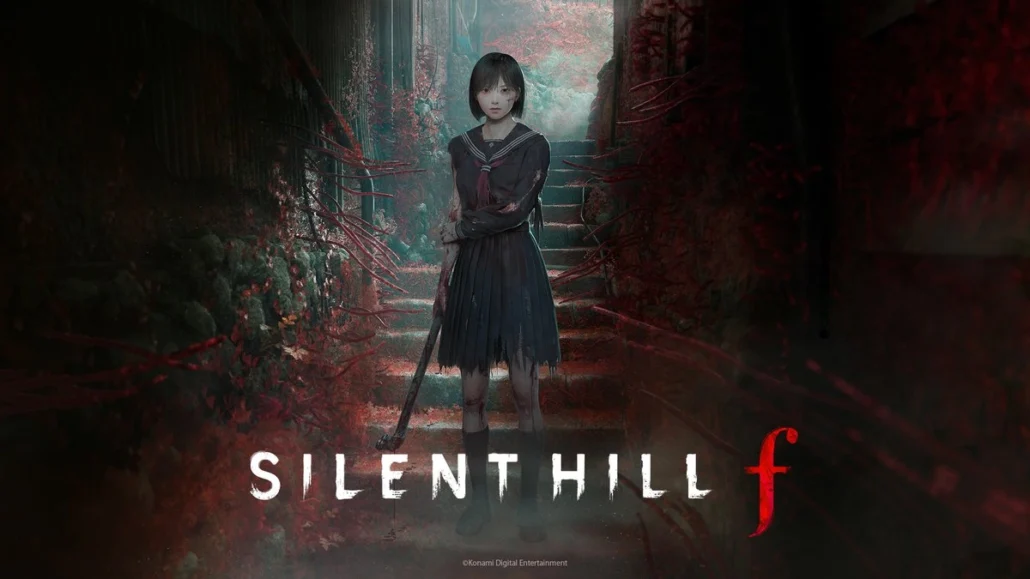
- Lighting and shadow play a central role. Horror concept art often favors uneven lighting, deep contrast, and obscured forms. Shadows aren’t just absence of light. They are active tools that suggest unseen threats and limit player certainty.
- Color palettes are usually restrained. Muted tones, sickly hues, or cold environments help sustain unease without overwhelming the eye. Overly saturated colors often break immersion unless used deliberately for contrast or shock.
- Scale and distortion are another powerful tool. Slightly exaggerated proportions, warped architecture, or spaces that feel too tight or too vast can unsettle the player without relying on explicit horror imagery.
- Environmental details matter as well. Decay, abandonment, and subtle signs of past events tell stories without words. Importantly, effective horror concept art often relies on suggestion. Showing less gives the player’s imagination room to work, which is almost always more frightening than explicit detail.
Environment Concept Art and the Shape of Fear
Environments do more than host gameplay. In horror, they actively control how fear is paced.
Concept art explores how spaces feel before they function. Claustrophobic corridors create pressure and vulnerability, while open areas can feel exposed and unsafe when there’s nowhere to hide. Both are effective when used intentionally.
Negative space and obscured sightlines are especially important. Corners that hide information, long hallways that refuse to reveal their end, and rooms where the player’s view is partially blocked all increase tension without a single scripted scare.
Architectural style reinforces theme. Asylums suggest loss of control. Industrial spaces imply danger and neglect. Ruins communicate decay and forgotten history. Environment concept art helps level designers understand not just layout, but emotional rhythm.
Most importantly, strong environment concept art supports immersion. When spaces feel believable within their own logic, players stop questioning the world and start reacting emotionally to it.
Character and Creature Concept Art
Horror characters are rarely designed to feel powerful. Human protagonists are often visually understated, reinforcing vulnerability and fragility. Their designs avoid heroic silhouettes and exaggerated confidence.
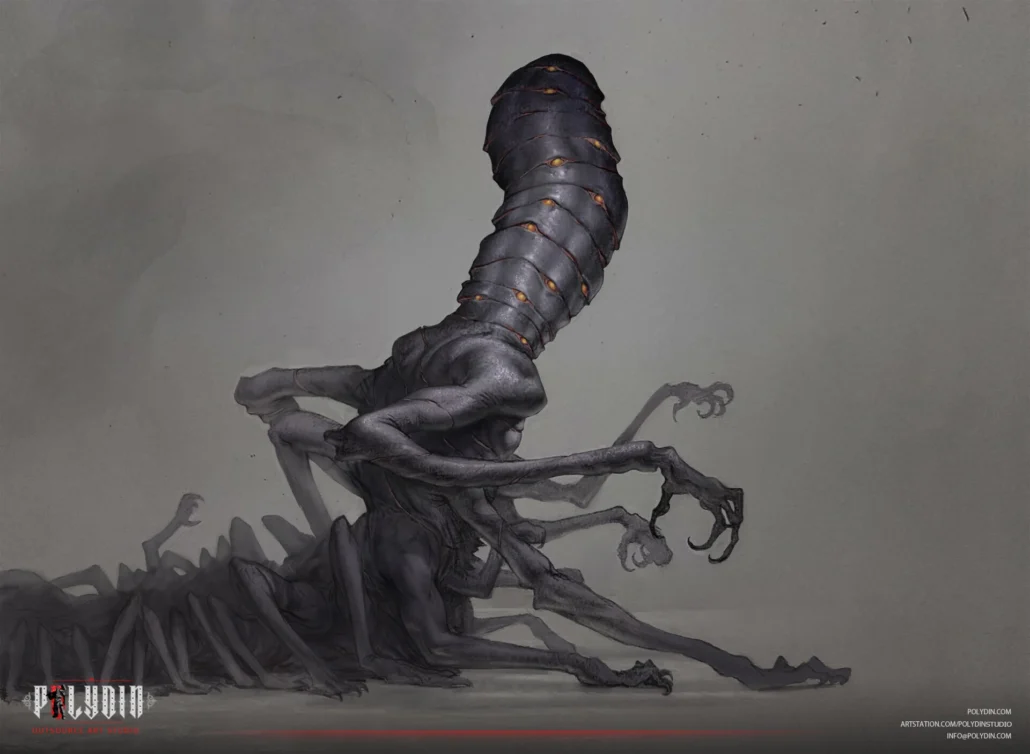
Creature concept art works differently. The most effective designs hint at origin and history without explaining them fully. Scars, asymmetry, and anatomical exaggeration suggest something unnatural without spelling it out.
Uncanny proportions play a major role. Slightly wrong anatomy is often more disturbing than extreme mutation. Concept art services explores where that line sits and how far it can be pushed without turning fear into spectacle.
Good horror design leaves room for imagination. The less a creature explains itself, the longer it stays with the player.
Using Concept Art to Tell a Horror Story
Horror games often rely on fragmented storytelling. Players rarely receive clear explanations. Instead, they piece together meaning from what they see.
Concept art plays a key role in this process. It visualizes implied events through set dressing, damaged environments, and recurring symbols. Bloodstains suggest aftermath rather than action. Broken objects hint at struggle without showing it.
Symbolism and visual motifs help unify the narrative. Repeated shapes, colors, or patterns quietly reinforce themes across environments and encounters. Concept art establishes these motifs early so they remain consistent throughout production.
By showing consequences instead of causes, horror concept art encourages players to engage actively with the world, filling in gaps with their own interpretations
Common Mistakes in Horror Game Concept Art
- One common mistake is over-designing monsters too early. Locking in details before the game’s tone is clear often leads to designs that feel forced or overexposed.
- Another is relying on gore instead of atmosphere. Excessive detail can numb players quickly and reduce long-term tension.
- Inconsistent visual language is also damaging. When environments, characters, and props feel like they belong to different worlds, immersion breaks.
- Finally, ignoring gameplay readability can undermine fear. If players can’t understand a space well enough to navigate it, frustration replaces tension. Concept art should balance mystery with clarity.
Bottom Line
Horror begins with intention. Concept art is where that intention takes visual form. It doesn’t just decorate a project. It protects its atmosphere, guides its decisions, and holds its fear together as production grows more complex.
The strongest horror games don’t rely on excess. They rely on consistency, restraint, and trust in the player’s imagination. When concept art respects those principles, fear doesn’t need to be loud. It lingers.
Sources
Polydin uses only high-quality sources, including peer-reviewed studies, to support the facts within our articles.
- Concept Art for a Possible Horror Game (User Blog)
Community-generated discussion and concept art exploration for horror game ideas, illustrating how concept visuals support early game design. (User-authored)
https://granny.fandom.com/wiki/User_blog:HipHooray/Concept_Art_for_a_possible_horror_game%3F%3F - The Art of Creating Horror Game Design
An article outlining principles and techniques used in designing horror games, including atmosphere, player psychology, and artistic direction.
https://devotedfusion.com/the-art-of-creating-horror-game-design/ - Visual Narrative in Game Design (Master’s Thesis)
Academic research on the role of visual storytelling and concept art in interactive media, including how early visual development guides gameplay experience. (Peer-reviewed source)
https://www.theseus.fi/bitstream/handle/10024/862614/ekaterina_vorobeva.pdf?sequence=2&isAllowed=y - Horror Game Concept Art and Design Practices
Developer commentary and breakdowns of horror game concept art creation, focusing on mood, composition, and genre conventions.
https://www.spikedmcgrath.com/2011/10/16/horror-game-concept-art/ - Roblox Developer Forum — Concept Art for Horror Survival Game
Community discussion and practical input from game developers on using concept art in the development pipeline for a horror survival game. (Forum insights)
https://devforum.roblox.com/t/concept-art-for-horror-survival-game/2149503
FAQs
What makes horror game concept art effective?
Effective horror game concept art works because it supports fear as a system, not as a moment. Its strength comes from intention, restraint, and consistency rather than shock value.
Horror concept art is effective when it has a clear emotional goal. Whether the game aims for psychological unease, vulnerability, or slow-building dread, the visuals need to commit to that feeling early and protect it throughout development. Vague or mixed intent weakens tension.
Restraint is another key factor. Strong horror concept art avoids over-explaining threats or environments. It suggests danger through silhouettes, obscured spaces, and incomplete information, allowing the player’s imagination to do most of the work. What isn’t shown often creates more fear than what is.
Lighting and visibility also play a critical role. Effective concept art defines how darkness behaves, where information is withheld, and how spaces control what the player can and cannot see. This directly affects pacing and emotional pressure.
Consistency ties everything together. A unified visual language across environments, characters, and props keeps the atmosphere intact. When concept art maintains that cohesion, fear feels deliberate and sustained rather than accidental.
What tools are commonly used for horror game concept art?
Horror game concept art doesn’t rely on specialized tools as much as it relies on how those tools are used. Most artists work with a familiar set of software, but they adapt their workflow to prioritize mood, iteration, and experimentation over polish.
Digital painting software is the foundation. Tools like Photoshop, Clip Studio Paint, or Procreate are commonly used because they allow fast sketching, layering, and lighting experiments. For horror, artists often work loosely at first, focusing on silhouettes, contrast, and atmosphere rather than detail.
3D tools are also widely used, especially for environment-heavy horror games. Programs like Blender or ZBrush help artists block out spaces, test scale, and explore camera angles. These rough 3D scenes are often painted over to create mood-focused concept art that still respects spatial logic.
Photobashing is another common technique. Artists combine photographic textures with digital painting to create realistic decay, grime, and material wear. In horror, this helps environments feel grounded and unsettling without spending time on hyper-detailed painting.
Lighting and color grading tools play an important role as well. Even simple adjustment layers are used to test how different lighting setups affect mood and readability. Horror concept art often goes through many lighting passes before any final direction is chosen.
Ultimately, the most important tool is flexibility. Horror concept art benefits from fast iteration, rough exploration, and the freedom to discard ideas that explain too much or feel visually safe.