

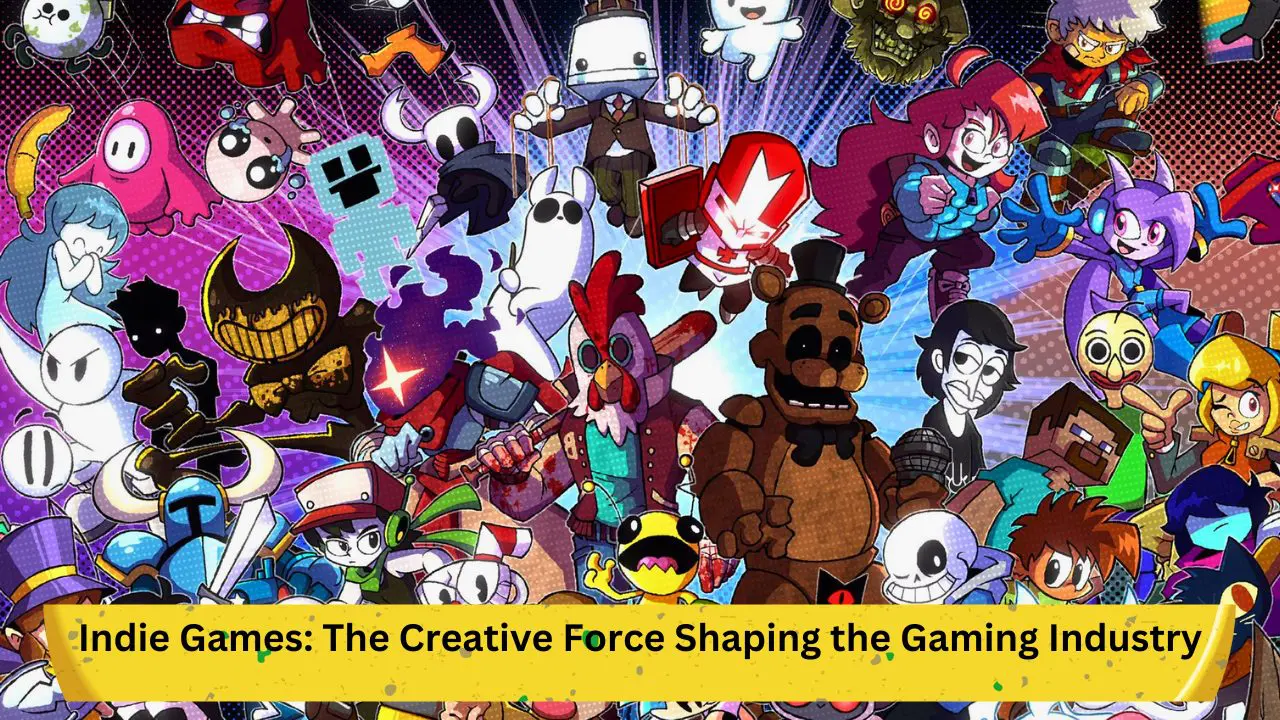
Indie games used to sit on the margins of the medium, often viewed as small experiments that couldn’t compete with the production scale of AAA studios. Over time that perception changed. Today, indie games play a central role in shaping genres, influencing design trends, and offering voices that the mainstream industry often overlooks. Their growth came from a mix of accessible tools, digital platforms, shifting audience expectations, and a global game industry that has faced multiple disruptions in the last few years.

How Indie Games Went Mainstream
Indie development grew at a moment when the industry itself was changing. Digital distribution removed traditional publishing barriers. Engines became cheaper and easier to learn. Social media turned discovery into something organic rather than expensive. And then COVID arrived and sped up the entire shift.
During lockdowns, the demand for fresh and comforting game experiences skyrocketed. Indie games, which could be made remotely and released more quickly, filled a gap that larger studios struggled to respond to. Many AAA productions faced delays, pipeline disruptions, and long periods of uncertainty. Smaller teams, already used to remote structures, adapted faster. They shipped games, built communities, and kept momentum. Players noticed.
This period marked a turning point. People became more comfortable exploring smaller projects, and many discovered that the emotional range and creativity in indie titles matched what they were looking for during an unpredictable time.

Why Players Connect With Indie Games
Players often connect with indie games because they feel honest. The creative voice behind them is clear. They don’t rely on formula or broad appeal. That authenticity became even more important during the pandemic, when people wanted emotionally resonant stories, comforting visuals, and games that felt human.
Indie games filled that role naturally. They explored themes of isolation, connection, growth, and community in ways that felt personal. They weren’t built to satisfy quarterly targets. They were built because someone had something to say. That sincerity helped indie games build strong, lasting relationships with players.
How Indie Success Stories Shifted the Industry
The last few years were turbulent for the broader industry. AAA studios faced restructuring, layoffs, delayed releases, and higher production costs than ever. Some major games launched unfinished or over-scoped. Others were canceled entirely because budgets spiraled out of control.
In contrast, many indie studios continued to innovate. Their development cycles were manageable. Their risks were focused. When an indie title succeeded, it often succeeded because it didn’t try to imitate the blockbuster formula. It tried something new.
This contrast highlighted a truth: creativity isn’t tied to scale. During moments when large studios fell behind or struggled to adapt, small developers kept pushing forward. Their success stories influenced the rest of the industry. More publishers began searching for indie talent. More AAA studios adopted slower, more deliberate production strategies. And more players turned their attention toward mid-budget and small-budget games that felt crafted rather than manufactured.

Challenges Indie Developers Still Face
Even with the momentum, indie teams face significant challenges. The market is crowded, competition is intense, and visibility is unpredictable. Economic pressure across the industry also affects small teams. Rising engine costs, shifting platform fees, and changes in algorithmic visibility all create uncertainty.
Indie developers still balance creative ambition with financial limitations. Many handle multiple jobs inside the same project. And while COVID-era disruptions gave them more opportunities, post-COVID market corrections brought new difficulties, including fewer publisher deals and a harder funding landscape.
Opportunities Created by the Indie Boom
Despite the challenges, the indie boom also created a new ecosystem of opportunities. Smaller teams now have more ways to get funded, more supportive communities, and better access to technology. The pandemic normalized remote collaboration, which allowed studios in all corners of the world to work together without relocating. Tools evolved rapidly during this era, making advanced workflows more accessible.
These opportunities helped maintain the growth of indie games even as the wider industry entered a period of crisis. While big studios downsized, indie teams continued forming, experimenting, and releasing work. Many players shifted toward smaller games simply because they offered more variety and more reliability during a time when major releases were increasingly uneven.
The Emotional Influence of Indie Games on the Medium
Indie games also helped the industry handle its emotional landscape during the crisis years. Many players used games as a way to cope, escape, or maintain a sense of connection. Indie developers responded with themes that felt grounded and empathetic. Stories focused on healing, quiet reflection, and human relationships became more common.
This emotional shift stayed with the industry even after the lockdowns ended. Indie games proved that emotional depth could sit at the center of gameplay rather than around it. They normalized vulnerability in storytelling and encouraged players to explore games not just as entertainment, but as spaces for meaning and expression.
What the Growth of Indie Games Means for the Future
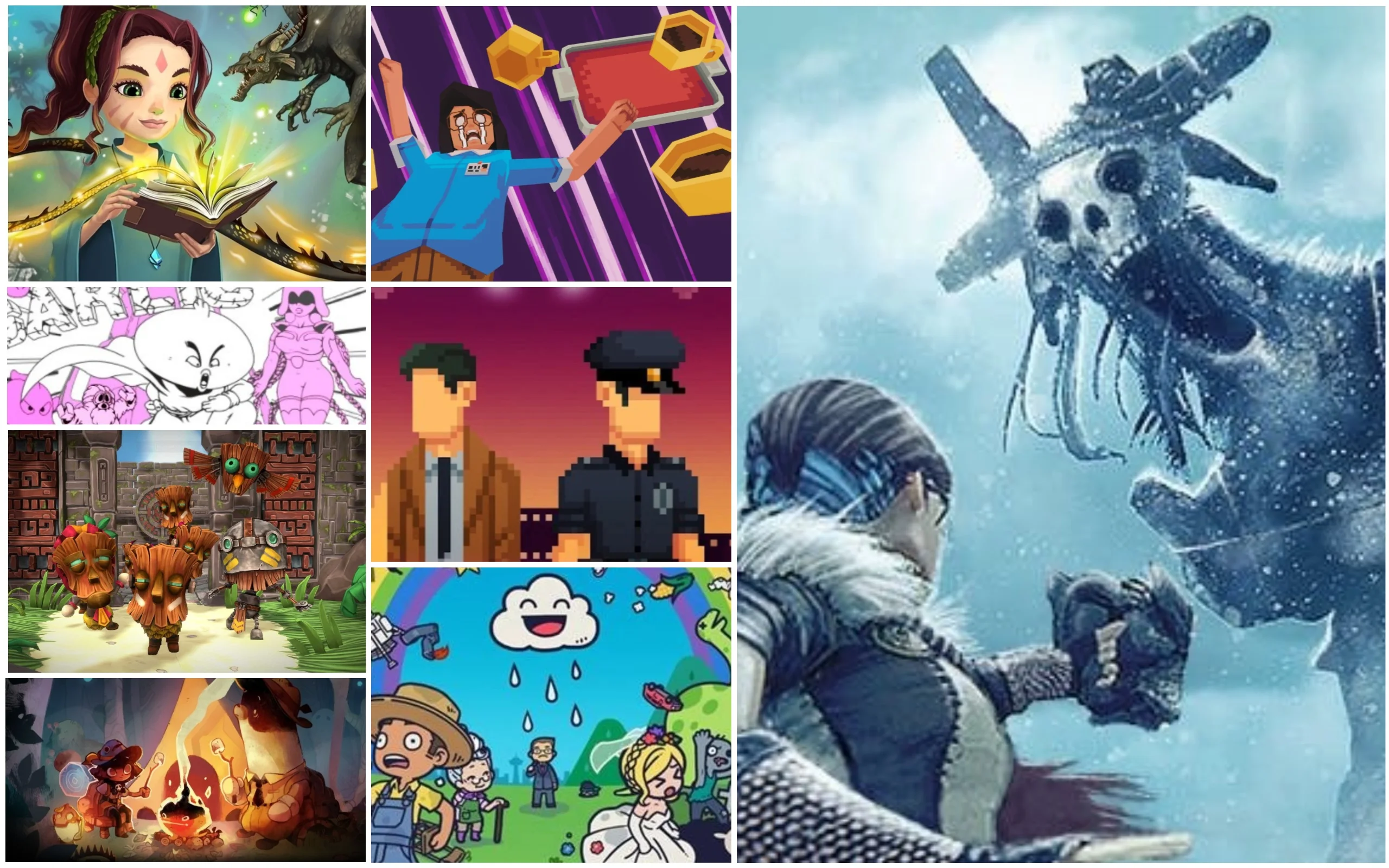
Looking ahead, indie games will continue to shape the industry’s direction, especially as some AAA studios enter slower cycles due to economic pressure.
- More platform support for small teams. Digital storefronts and subscription services want variety, and indies provide it. This makes them essential for player retention.
- More talent moving between scales. Developers leaving large studios during the crisis often form or join indie teams, bringing experience and expertise with them.
- More global representation. Remote pipelines opened opportunities for developers from regions that were historically outside the mainstream. This will diversify game themes and aesthetics.
- More experimentation with mechanics and storytelling. Players are open to unusual ideas, giving developers more confidence to step away from traditional structures.
- A stronger balance between art and technology. Tools will keep improving, allowing small studios to create striking experiences without AAA-size pipelines.
These trends show a future where indie games are not the alternative. They are part of the main conversation. They help hold the industry steady during unstable periods and offer creative direction when large productions struggle.
A Final Perspective
Indie growth didn’t happen randomly. It happened because the world changed, the industry changed, and player expectations changed. During the hardest years of the pandemic, indie developers kept creating. They adapted while big studios slowed down. They took risks that others couldn’t. And they reminded everyone why games matter in the first place.
Today, indie teams stand shoulder to shoulder with the largest studios, not in scale, but in impact. Their rise keeps the industry diverse, human, and creatively alive.