

Sometimes when you watch a behind the scenes breakdown, you realize how much work goes into the visuals we barely notice in films, games or commercials. Once you start paying attention to that process, it becomes obvious why people often mix up CGI and VFX. For newcomers, these terms sit so close together that it is hard to tell where one ends and the other begins, especially when trying to understand how a shot or a trailer is actually built.
Whether you are putting together a short film, building a game trailer or working on a commercial, you eventually start thinking about what needs to be created digitally and what needs to be shot or captured. This is usually the moment when people realize that CGI and VFX do very different jobs. Knowing how each one works helps make the whole process easier to follow.
What Exactly Is CGI
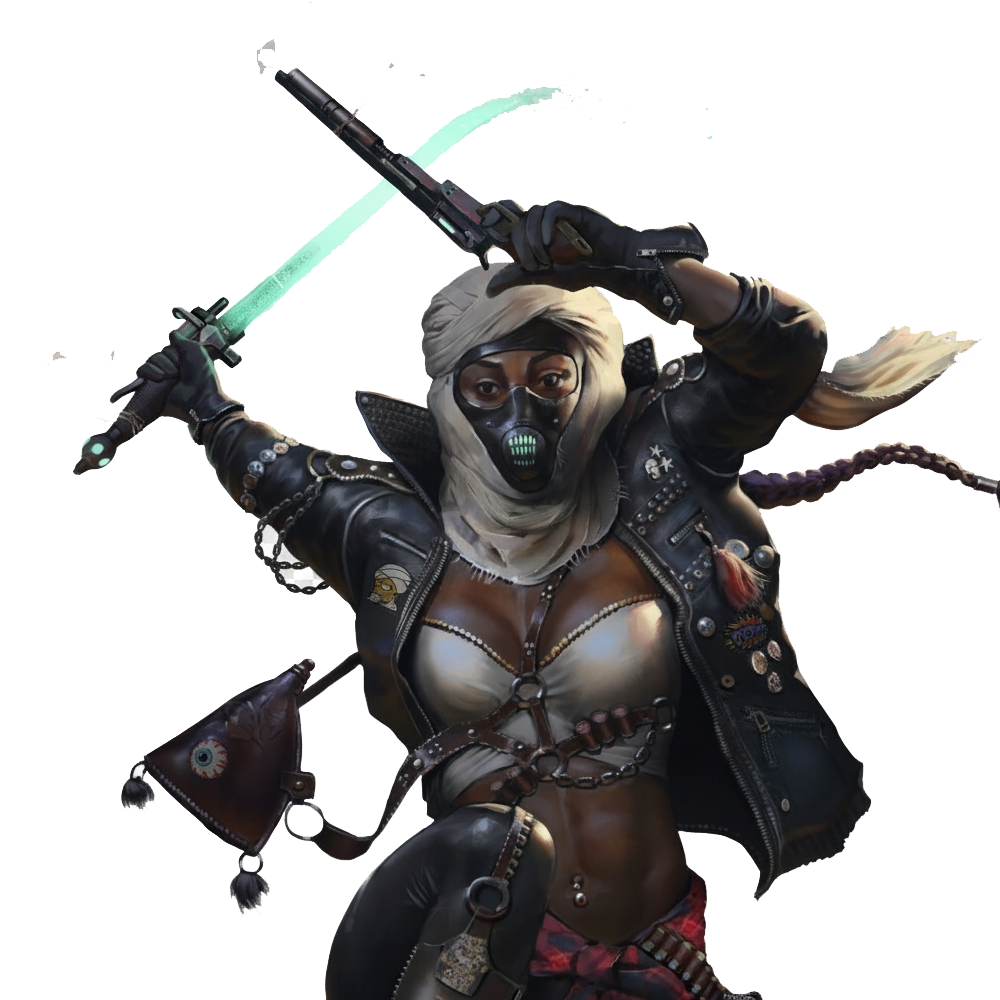
CGI stands for computer generated imagery. It refers to anything built entirely inside a computer. Characters, props, environments, vehicles, products, creatures and all kinds of digital assets fall under CGI.
- In film, CGI often creates things that cannot be built physically, like creatures or large-scale environments.
- In games, CGI includes characters, animations, assets and cinematic sequences.
- In advertising, CGI helps create clean product renders, stylized visuals or fully digital commercial pieces.
Why It Matters
CGI plays an important role across every visual industry.
- Makes it possible to design things that cannot be built or filmed for real
- Commonly used in animation, game development stages, film and advertising
- Offers complete control over design, motion, materials and lighting
- Supports both early planning and final rendering workflows
What Exactly Is VFX
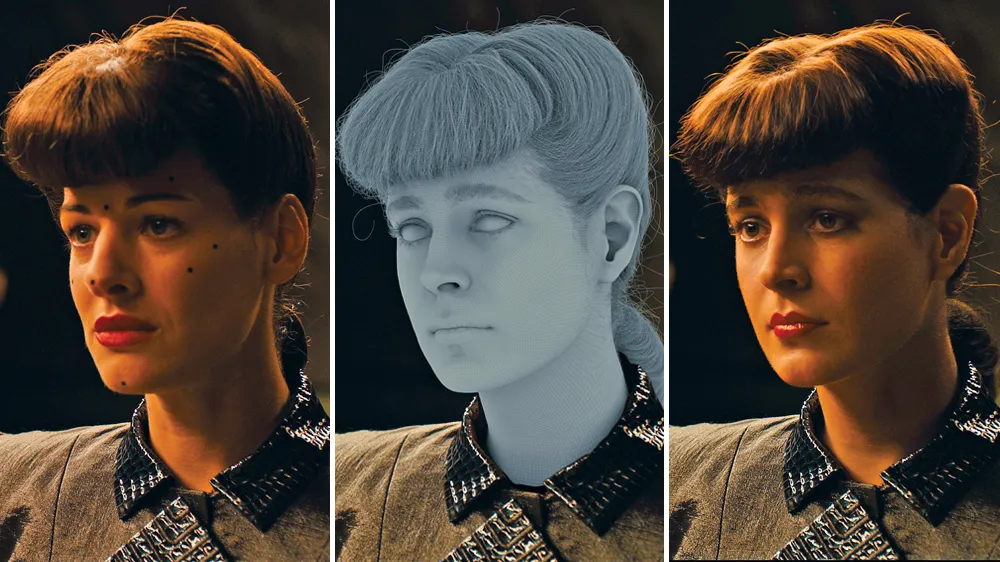
VFX means visual effects. It focuses on taking filmed or captured footage and combining it with computer generated elements to create a final shot that feels natural and believable.
- In film, VFX blends actors with digital sets or enhances real locations.
- In games, VFX shows up in trailers, hybrid shoots and cinematic cutscenes.
- In advertising, VFX is often used to place digital products into real footage or to add effects that cannot be achieved on set.
Why It Matters
VFX expands what creators can do with live action.
- Enhances or extends real footage
- Safely replaces dangerous scenes with digital effects
- Builds worlds that cannot be achieved with practical sets
- Essential for cinematic trailers, film scenes and commercial spots

VFX vs CGI: The Core Differences
CGI Creates. VFX Combines.
This simple idea explains the relationship between them.
Purpose
- CGI builds digital assets.
- VFX blends those assets into real or pre-recorded footage.
Production Stage
- CGI can be created at many stages of production.
- VFX work mainly happens once footage or animation is ready to composite.
Type of Output
- CGI produces characters, props, environments or product renders.
- VFX produces final, polished shots for films, ads or game trailers prodction.
Tools Used
- CGI relies on modeling, sculpting, animation and rendering tools.
- VFX uses compositing, tracking, match moving and simulation software.
Use Cases
- CGI is used for animated films, game assets, digital products and full 3D worlds.
- VFX is used for green screen shots, explosions, digital doubles and environmental effects.

Examples That Make the Difference Clear
CGI Examples
- Fully animated films such as Toy Story or Frozen
- Game characters, creatures and cinematic assets
- Digital products for commercial advertisements
- Entire 3D cities, landscapes or interiors
VFX Examples
- Actors filmed on green screens with digital backgrounds added
- Real explosions enhanced with digital elements
- Weather effects like storms or smoke created digitally
- Commercials blending real environments with digital products or transitions
The CGI Creation Pipeline
CGI pipelines vary depending on the studio and the industry, but the main idea stays the same. You are building something from nothing.
Concept Art and References
Everything begins with visuals. Artists gather references, explore ideas and define the tone. This early work guides the rest of the pipeline whether you are making a film creature, a game hero or a clean product render.3D Modeling
A modeler turns the concept into a digital object. In films this may involve highly detailed sculpts. In games the model must respect real time constraints. In advertising the focus is often on precision and clean forms. 3d Modeling sets the structure and silhouette of the asset.Texturing and Shading
Texture artists add materials and surface detail. Skin, metal, plastic, cloth, glass, wood or car paint are created in this stage. Film and ads often aim for photorealism. Games must balance quality with memory and performance limits.Rigging and Animation
If the asset moves, it needs a digital skeleton. Rigging prepares it for animation, allowing joints, muscles and expressions to function correctly. Animators then bring the asset to life, whether it is a creature, a character or a product in motion.Lighting and Rendering
Lighting sets the mood and realism. Renderers then produce the final images. Films and ads often rely on offline rendering for maximum quality. Games may use real time engines like Unreal or Unity for faster production or interactive content.The CGI pipeline ends with a polished digital asset ready for integration or direct use.
The VFX Workflow Explained
VFX focuses on turning footage or animation into a complete, believable shot.
- Filming With Green Screen or Motion Capture Live elements are recorded with the intention of enhancing or extending the scene digitally. In games, motion capture captures performances that will later be applied to CGI characters.
- Tracking and Match Moving Artists recreate the real camera movement in 3D so digital elements align perfectly with the shot. Without accurate tracking, CGI will slide or float, making the effect feel fake.
- Compositing This is where everything comes together. Compositors layer footage, CGI renders, simulations and color passes into a single image. They adjust lighting, shadows, edges, reflections and depth so the shot looks unified.
- Simulation and FX Work Dynamic effects are created here. Smoke, fire, water, dust, particles, destruction or stylized energy. Trailers and ads often use clean stylized FX, while films may use large scale realism.
- Final Polish Color grading ties the elements together. Cleanup removes unwanted objects or artifacts. Small tweaks finish the shot. This final step often determines how natural or stylized the result feels.
Bottom Line
CGI and VFX often appear side by side, but they play different roles. CGI builds the digital elements. VFX brings those elements into a shot and helps everything feel consistent. This applies to filmmaking, game development and advertising equally. Once people learn how these two processes connect, production planning becomes much clearer. CGI lets you design and animate the digital world. VFX blends that world into real or captured footage. Together they shape the visuals we depend on across entertainment and commercial work, and understanding the difference always leads to better decisions and stronger results.